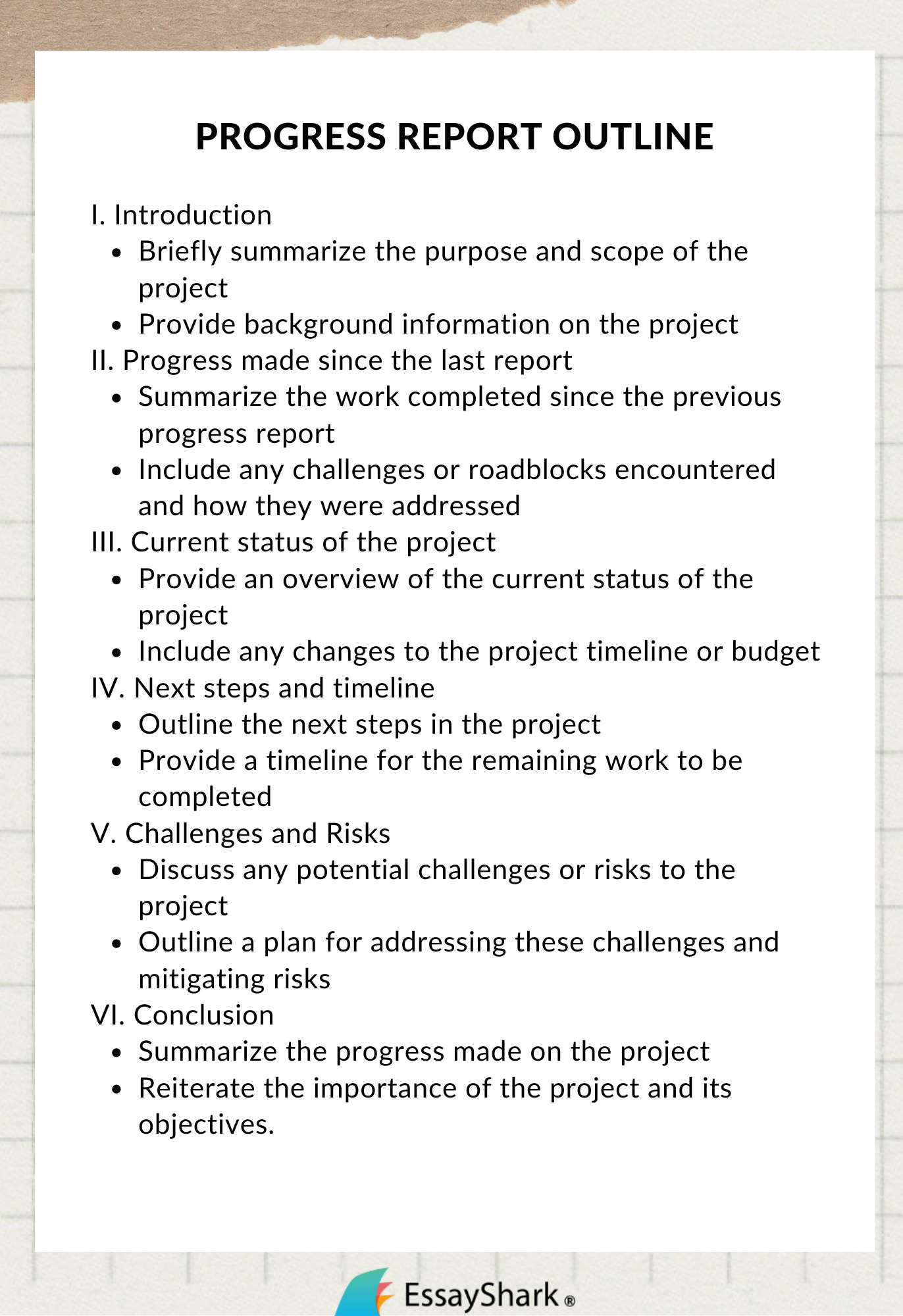
In the realm of professional communication, the ability to craft a clear and concise report in writing is an invaluable skill. Whether you are a student, a professional, or an entrepreneur, knowing how to compile and present information effectively can significantly impact your success. This guide will walk you through the essential steps and best practices for creating a comprehensive and impactful report.
Understanding the Purpose of a Report
A report in writing serves multiple purposes, depending on the context in which it is used. Generally, reports are designed to:
- Provide information and data to stakeholders.
- Analyze and interpret data to support decision-making.
- Document findings and recommendations.
- Communicate progress, results, or issues to relevant parties.
Understanding the purpose of your report is the first step in ensuring that it meets the needs of your audience. Whether you are writing a technical report, a business report, or an academic report, the core principles remain the same.
Preparing to Write Your Report
Before you start writing, it is crucial to prepare thoroughly. This preparation phase involves several key steps:
- Identify the Audience: Understand who will be reading your report. Tailor your language, tone, and level of detail to suit their needs and expertise.
- Define the Scope: Clearly outline what the report will cover. This includes the objectives, the data to be analyzed, and the key points to be addressed.
- Gather Information: Collect all relevant data and information. This may involve research, interviews, surveys, or data analysis.
- Create an Outline: Develop a structured outline that will guide your writing. This should include an introduction, body sections, and a conclusion.
By preparing thoroughly, you ensure that your report is well-organized and comprehensive, making it easier for readers to understand and act on the information presented.
Structuring Your Report
A well-structured report is essential for clarity and coherence. The typical structure of a report in writing includes the following sections:
- Title Page: Includes the title of the report, your name, the date, and any other relevant information.
- Executive Summary: A brief overview of the report's key findings and recommendations. This section is often read first, so it should be concise and impactful.
- Table of Contents: Lists all the sections and subsections of the report with page numbers. This helps readers navigate the document easily.
- Introduction: Provides background information, states the purpose of the report, and outlines the scope and methodology.
- Body: Contains the main content of the report, divided into sections and subsections. Each section should focus on a specific aspect of the topic.
- Conclusion: Summarizes the key findings and provides recommendations based on the analysis.
- References: Lists all the sources cited in the report. This is crucial for maintaining academic integrity and providing credibility.
- Appendices: Includes any additional materials, such as charts, graphs, or detailed data tables, that support the report but are not essential to the main text.
Here is an example of how a table of contents might look:
| Section | Page Number |
|---|---|
| Executive Summary | 2 |
| Introduction | 3 |
| Methodology | 4 |
| Findings | 5 |
| Analysis | 7 |
| Conclusion | 9 |
| References | 10 |
| Appendices | 11 |
This structure ensures that your report is logical and easy to follow, making it more effective for your audience.
📝 Note: The structure may vary depending on the type of report and the specific requirements of your organization or institution.
Writing the Report
Once you have prepared and structured your report, it's time to start writing. Here are some key tips to help you craft a compelling and effective report in writing:
- Use Clear and Concise Language: Avoid jargon and complex sentences. Write in a straightforward manner to ensure that your message is easily understood.
- Be Objective: Present facts and data without bias. Your goal is to inform and provide insights, not to persuade or argue.
- Use Headings and Subheadings: These help to break up the text and make it easier to read. They also provide a clear structure for your report.
- Include Visuals: Charts, graphs, and tables can help to illustrate your points and make complex data more accessible.
- Cite Sources: Always credit the sources of your information. This adds credibility to your report and avoids plagiarism.
Here is an example of how to present data visually:

Visuals like this can make your report more engaging and easier to understand.
Editing and Proofreading
After completing the first draft of your report, it is essential to edit and proofread thoroughly. This step ensures that your report is free of errors and that the information is presented clearly and accurately. Here are some tips for effective editing and proofreading:
- Take a Break: Step away from your report for a while before editing. This helps you to approach it with fresh eyes.
- Check for Clarity: Ensure that your writing is clear and concise. Remove any unnecessary words or phrases.
- Verify Accuracy: Double-check all data, facts, and figures. Ensure that they are accurate and up-to-date.
- Consistency: Maintain a consistent style and format throughout the report. This includes headings, font sizes, and citation styles.
- Grammar and Spelling: Use grammar and spell-check tools to catch any errors. However, do not rely solely on these tools; manual proofreading is also necessary.
Editing and proofreading are crucial steps that should not be rushed. They help to ensure that your report is professional and credible.
📝 Note: Consider having someone else review your report. A fresh pair of eyes can often catch errors that you might miss.
Finalizing Your Report
Once you have edited and proofread your report, it is time to finalize it. This involves formatting the document to meet any specific requirements and preparing it for distribution. Here are some final steps to consider:
- Formatting: Ensure that the report is formatted correctly, with consistent margins, font sizes, and line spacing.
- Cover Page: Design an attractive and professional cover page that includes the title, your name, and any other relevant information.
- Binding: If the report is to be printed, consider binding options such as spiral binding or hardcover binding.
- Distribution: Decide how you will distribute the report. This could be via email, a shared drive, or a printed copy.
Finalizing your report ensures that it is presented professionally and is ready for distribution to your intended audience.
In the realm of professional communication, the ability to craft a clear and concise report in writing is an invaluable skill. Whether you are a student, a professional, or an entrepreneur, knowing how to compile and present information effectively can significantly impact your success. This guide has walked you through the essential steps and best practices for creating a comprehensive and impactful report. By understanding the purpose of your report, preparing thoroughly, structuring it effectively, writing clearly, editing carefully, and finalizing professionally, you can ensure that your report meets the needs of your audience and achieves its intended goals.
Related Terms:
- report writing training
- report writing with examples
- some examples of report writing
- report writing template
- report writing skills
- sample of a report writing