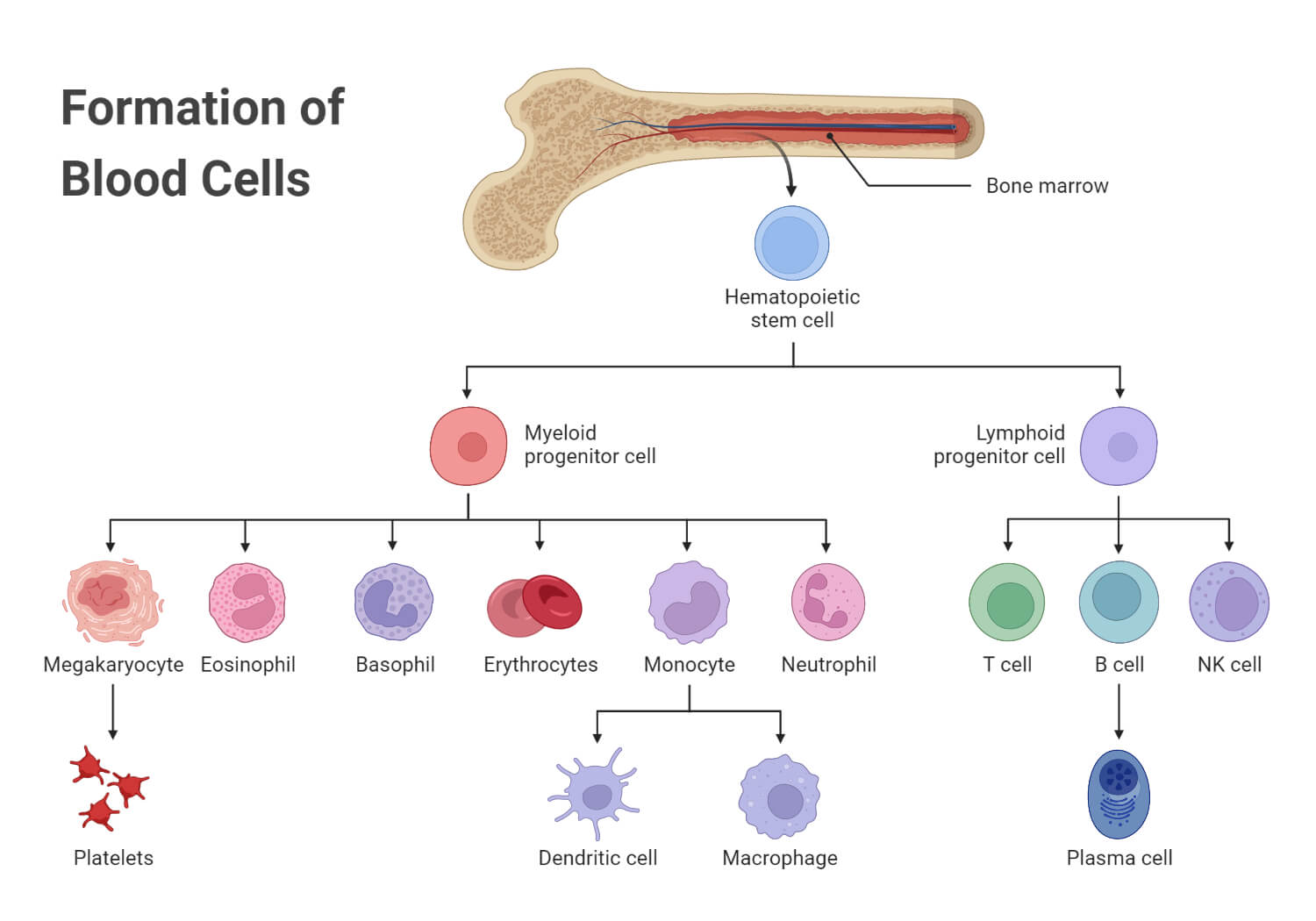
Understanding the intricacies of a White Blood Cell Drawing is crucial for medical students, healthcare professionals, and anyone interested in the human body's defense mechanisms. White blood cells, also known as leukocytes, play a pivotal role in the immune system by protecting the body against infections and diseases. This blog post will delve into the anatomy, types, and functions of white blood cells, providing a comprehensive guide to creating an accurate White Blood Cell Drawing.
Anatomy of White Blood Cells
White blood cells are produced in the bone marrow and are part of the body's immune system. They are larger than red blood cells and have a nucleus, which allows them to perform their defensive functions. The primary types of white blood cells include neutrophils, eosinophils, basophils, lymphocytes, and monocytes. Each type has a unique structure and function, which is essential to understand when creating a White Blood Cell Drawing.
Types of White Blood Cells
White blood cells are categorized into two main groups: granulocytes and agranulocytes. Granulocytes have granules in their cytoplasm, while agranulocytes do not. Here is a breakdown of the different types:
- Neutrophils: These are the most abundant type of white blood cells and are crucial for fighting bacterial infections. They have a multi-lobed nucleus and granules that contain antimicrobial substances.
- Eosinophils: Eosinophils are involved in combating parasitic infections and modulating the immune response. They have a bilobed nucleus and granules that stain red with eosin dye.
- Basophils: Basophils play a role in allergic reactions and parasitic infections. They have a lobed nucleus and granules that stain blue with basic dye.
- Lymphocytes: Lymphocytes are key players in the adaptive immune response. They include T cells, B cells, and natural killer (NK) cells, each with specific functions in recognizing and eliminating pathogens.
- Monocytes: Monocytes are the largest type of white blood cells and differentiate into macrophages and dendritic cells. They have a kidney-shaped nucleus and are involved in phagocytosis and antigen presentation.
Functions of White Blood Cells
White blood cells perform various functions essential for maintaining the body's health. These functions include:
- Phagocytosis: The process by which white blood cells engulf and destroy pathogens, dead cells, and other foreign particles.
- Antigen Presentation: Monocytes and dendritic cells present antigens to T cells, initiating the adaptive immune response.
- Cytokine Production: White blood cells produce cytokines, which are signaling molecules that regulate the immune response.
- Antibody Production: B cells produce antibodies that neutralize pathogens and mark them for destruction by other immune cells.
- Cell-Mediated Immunity: T cells directly attack and destroy infected cells and cancer cells.
Creating a White Blood Cell Drawing
Creating an accurate White Blood Cell Drawing involves understanding the morphology and characteristics of each type of white blood cell. Here are the steps to create a detailed drawing:
Materials Needed
- Drawing paper or sketchbook
- Pencils (HB, 2B, 4B)
- Eraser
- Fine-tip pens or markers
- Reference images of white blood cells
Step-by-Step Guide
1. Choose a Reference Image: Start by selecting a high-quality reference image of the white blood cell you want to draw. This will help you understand the shape, size, and details of the cell.
2. Sketch the Basic Shape: Begin by lightly sketching the basic shape of the white blood cell. For example, neutrophils have a multi-lobed nucleus, while lymphocytes have a large, round nucleus.
3. Add the Nucleus: Draw the nucleus of the white blood cell. The shape and size of the nucleus vary depending on the type of cell. For instance, eosinophils have a bilobed nucleus, while basophils have a lobed nucleus.
4. Draw the Cytoplasm: Add the cytoplasm around the nucleus. The cytoplasm should be slightly darker than the nucleus and may contain granules, depending on the type of cell.
5. Detail the Granules: If the white blood cell has granules, draw them in the cytoplasm. The size, shape, and distribution of granules vary among different types of cells.
6. Refine the Drawing: Use finer pencils or pens to add details and refine the drawing. Pay attention to the texture and shading to make the drawing more realistic.
7. Final Touches: Add any final touches, such as labels or annotations, to your drawing. This will help viewers understand the different parts of the white blood cell.
📝 Note: When creating a White Blood Cell Drawing, it is essential to use accurate reference materials to ensure the drawing is anatomically correct.
Common Mistakes to Avoid
When drawing white blood cells, it is easy to make mistakes that can affect the accuracy of the drawing. Here are some common mistakes to avoid:
- Incorrect Nucleus Shape: Ensure the nucleus shape is accurate for the specific type of white blood cell. For example, neutrophils have a multi-lobed nucleus, while lymphocytes have a large, round nucleus.
- Inaccurate Granule Distribution: The size, shape, and distribution of granules vary among different types of cells. Make sure to draw the granules accurately based on the reference image.
- Poor Shading: Proper shading is crucial for creating a realistic drawing. Pay attention to the texture and shading to make the drawing more lifelike.
- Lack of Detail: White blood cells have intricate details that are essential for an accurate drawing. Take the time to add details such as the nucleus, cytoplasm, and granules.
White Blood Cell Count and Its Significance
The white blood cell count is an essential indicator of the body's immune response. A normal white blood cell count ranges from 4,000 to 11,000 cells per microliter of blood. However, this count can vary depending on factors such as age, sex, and overall health. A White Blood Cell Drawing can help illustrate the different types of white blood cells and their roles in the immune system.
An abnormal white blood cell count can indicate various health conditions, including:
- Infection: A high white blood cell count (leukocytosis) can indicate an infection, inflammation, or stress.
- Immune Disorders: Conditions such as autoimmune disorders or immunodeficiency can affect the white blood cell count.
- Blood Disorders: Certain blood disorders, such as leukemia, can cause an abnormal white blood cell count.
- Medications: Some medications can affect the white blood cell count, leading to either an increase or decrease.
White Blood Cell Differentials
A white blood cell differential is a test that measures the percentage of each type of white blood cell in the blood. This test is crucial for diagnosing and monitoring various health conditions. A White Blood Cell Drawing can help illustrate the different types of white blood cells and their roles in the immune system.
Here is a table showing the normal ranges for each type of white blood cell:
| Type of White Blood Cell | Normal Range (%) |
|---|---|
| Neutrophils | 40-60% |
| Eosinophils | 1-4% |
| Basophils | 0.5-1% |
| Lymphocytes | 20-40% |
| Monocytes | 2-8% |
An abnormal white blood cell differential can indicate various health conditions, including infections, immune disorders, and blood disorders. A White Blood Cell Drawing can help illustrate the different types of white blood cells and their roles in the immune system.
📝 Note: A white blood cell differential is a crucial test for diagnosing and monitoring various health conditions. It is essential to consult a healthcare professional for accurate interpretation of the results.
Conclusion
Understanding the anatomy, types, and functions of white blood cells is essential for creating an accurate White Blood Cell Drawing. White blood cells play a crucial role in the immune system by protecting the body against infections and diseases. By following the steps outlined in this blog post, you can create a detailed and accurate drawing of white blood cells. This knowledge is valuable for medical students, healthcare professionals, and anyone interested in the human body’s defense mechanisms. Whether you are studying for an exam or simply curious about the immune system, a White Blood Cell Drawing can help illustrate the intricate details of these essential cells.
Related Terms:
- picture of types blood cells
- white blood cell drawing easy
- white blood cells illustration
- white blood cells labeled diagram
- blood cell morphology pictures
- white blood cell drawing labeled