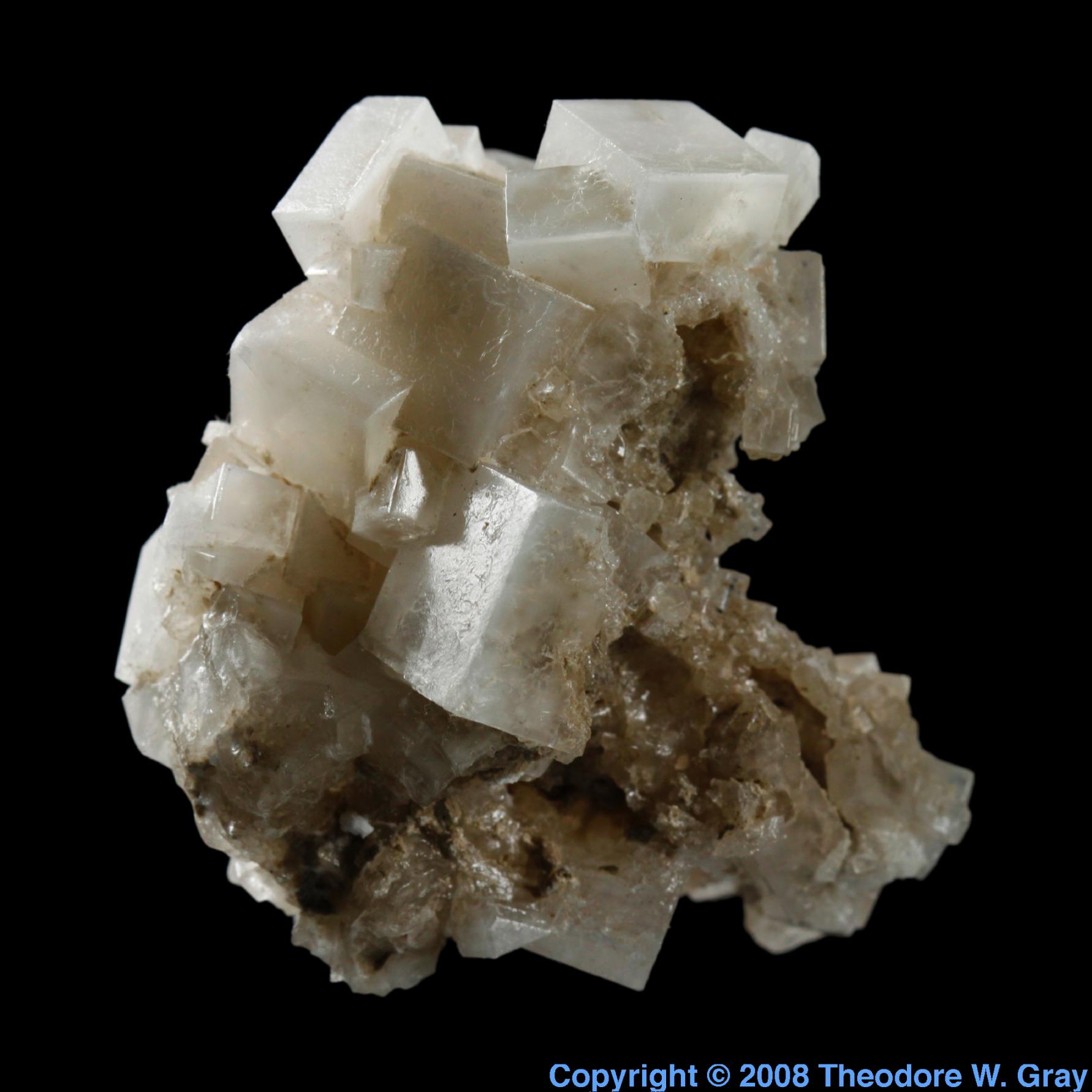
Chlorine, a highly reactive and powerful chemical element, has a rich history that spans centuries. Its discovery and subsequent applications have significantly impacted various fields, from chemistry to public health. Understanding the timeline and significance of chlorine's discovery provides valuable insights into the evolution of chemical science and its practical uses.
When Was Chlorine Discovered?
The question of when was chlorine discovered leads us back to the late 18th century. The element was first isolated by Swedish chemist Carl Wilhelm Scheele in 1774. Scheele observed that heating manganese dioxide (MnO2) with hydrochloric acid (HCl) produced a greenish-yellow gas with a strong, pungent odor. This gas was later identified as chlorine. However, Scheele did not recognize it as a new element but rather as a compound of oxygen.
The Early Misidentification
Scheele's work was groundbreaking, but it was not until 1810 that the true nature of chlorine was understood. Sir Humphry Davy, a British chemist, conducted further experiments and correctly identified chlorine as an element. Davy's contributions were crucial in establishing chlorine's place in the periodic table and understanding its chemical properties.
Chemical Properties and Uses
Chlorine is a halogen, meaning it belongs to a group of elements that are highly reactive and tend to form compounds with other elements. Its atomic number is 17, and it has the chemical symbol Cl. Chlorine is a greenish-yellow gas at room temperature and has a strong, irritating odor. It is highly soluble in water and forms hypochlorous acid (HClO), which is a powerful disinfectant.
Chlorine's reactivity makes it useful in various applications:
- Disinfection: Chlorine is widely used to disinfect water supplies, swimming pools, and wastewater. Its ability to kill bacteria and other microorganisms makes it an essential component in public health.
- Chemical Industry: Chlorine is a key ingredient in the production of many chemicals, including polyvinyl chloride (PVC), solvents, and pesticides.
- Medicine: Chlorine compounds are used in the production of various medications and disinfectants.
- Bleaching: Chlorine is used in the bleaching of textiles, paper, and other materials.
Historical Impact
The discovery of chlorine has had a profound impact on various aspects of human life. Its use in water treatment has significantly reduced the incidence of waterborne diseases, saving countless lives. In the chemical industry, chlorine's versatility has led to the development of numerous products that are integral to modern life.
One of the most significant historical events related to chlorine is its use during World War I. Chlorine gas was first used as a chemical weapon in 1915, causing widespread devastation and loss of life. This grim chapter in history highlights the dual nature of chlorine—its benefits in public health and industry contrasted with its potential for harm.
Modern Applications
Today, chlorine continues to play a crucial role in various industries. Its applications range from water treatment to the production of plastics and pharmaceuticals. The following table outlines some of the key modern applications of chlorine:
| Application | Description |
|---|---|
| Water Treatment | Chlorine is used to disinfect water supplies, ensuring they are safe for consumption. |
| Chemical Production | Chlorine is a key ingredient in the production of PVC, solvents, and other chemicals. |
| Medicine | Chlorine compounds are used in the production of various medications and disinfectants. |
| Bleaching | Chlorine is used in the bleaching of textiles, paper, and other materials. |
Chlorine's versatility and reactivity make it an indispensable element in modern society. Its applications continue to evolve, driven by advancements in chemical science and technology.
📝 Note: While chlorine has numerous beneficial applications, it is important to handle it with care due to its highly reactive and toxic nature. Proper safety measures should always be followed when working with chlorine or its compounds.
Chlorine’s journey from discovery to its current widespread use is a testament to the power of scientific inquiry and innovation. From its initial isolation by Carl Wilhelm Scheele to its recognition as an element by Sir Humphry Davy, chlorine has played a pivotal role in shaping modern chemistry and public health. Its applications in water treatment, chemical production, medicine, and bleaching have made it an essential component of contemporary life. Understanding the history and significance of chlorine’s discovery provides valuable insights into the evolution of chemical science and its impact on society.
Related Terms:
- where was chlorine found
- when was chlorine gas invented
- where can chlorine be found
- facts about chlorine
- what country was chlorine discovered
- when was sodium discovered