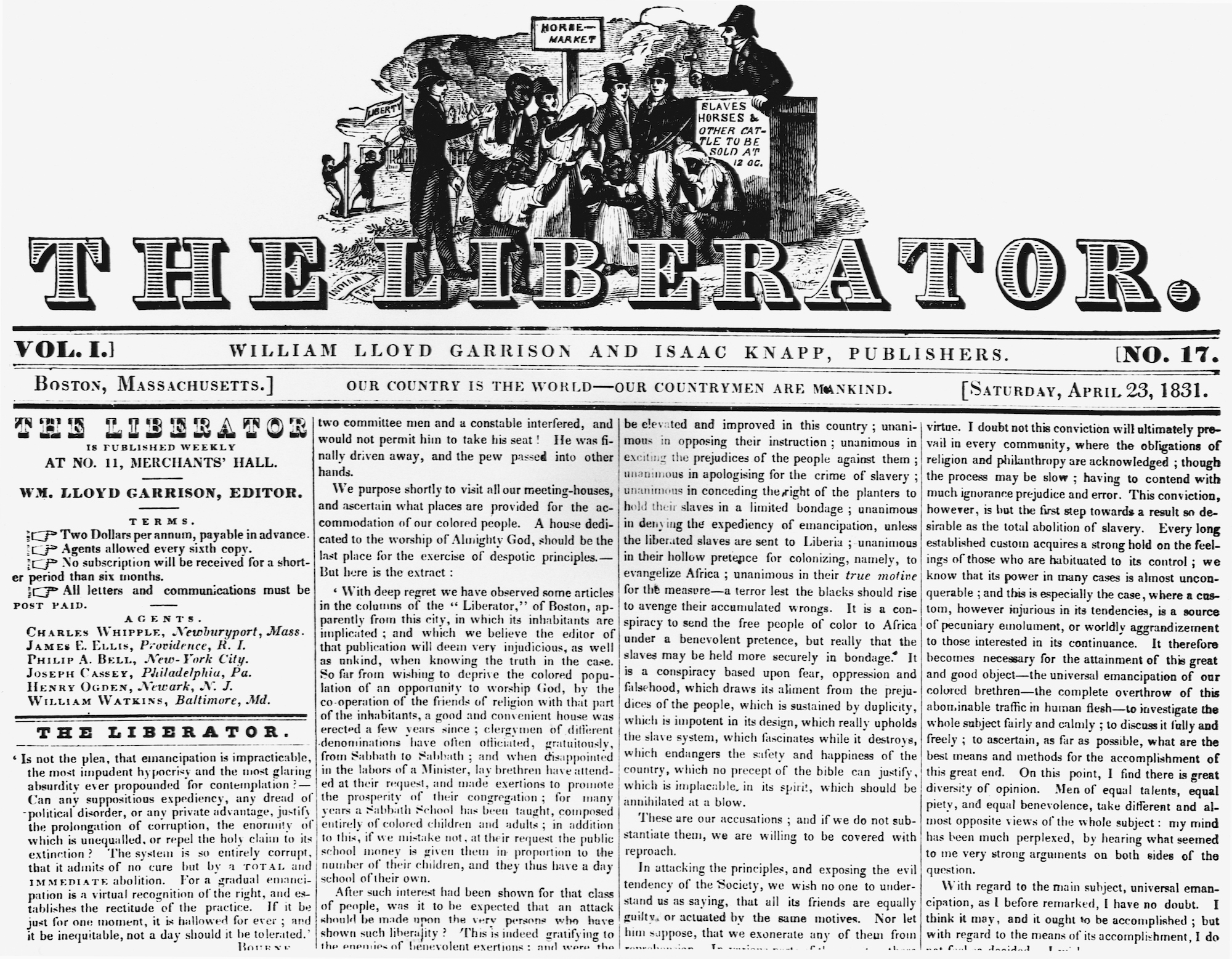
Understanding the historical significance of abolitionism is crucial for grasping the broader context of social justice movements. What was abolitionism? At its core, abolitionism was a movement dedicated to ending slavery and the slave trade. This movement spanned centuries and involved various strategies, from political advocacy to armed resistance. The abolitionist movement was not just about ending slavery; it was also about challenging the societal norms and economic systems that supported it.
Origins of Abolitionism
The roots of abolitionism can be traced back to the late 17th and early 18th centuries. Initially, abolitionist sentiments were often religiously motivated, with Quakers and other religious groups playing pivotal roles. These early abolitionists argued that slavery was morally wrong and incompatible with Christian teachings. Over time, the movement evolved to include secular arguments based on human rights and economic principles.
The Transatlantic Slave Trade
The transatlantic slave trade was a brutal system that transported millions of Africans to the Americas. This trade was a cornerstone of the economies of many European nations, particularly Britain, France, and Portugal. The horrors of the Middle Passage, where enslaved Africans were packed into ships under inhumane conditions, became a rallying point for abolitionists. The movement gained momentum as more people became aware of the atrocities involved in the slave trade.
Key Figures in Abolitionism
Several key figures played crucial roles in the abolitionist movement. One of the most notable was William Wilberforce, a British politician who dedicated his life to ending the slave trade. His efforts culminated in the passage of the Slave Trade Act of 1807, which abolished the slave trade in the British Empire. Another prominent figure was Frederick Douglass, an escaped slave who became a powerful orator and writer, advocating for the abolition of slavery in the United States.
In the United States, the abolitionist movement was particularly active in the 19th century. Figures like Harriet Beecher Stowe, author of "Uncle Tom's Cabin," and John Brown, who led an armed insurrection against slavery, were instrumental in shaping public opinion and pushing for legislative change.
Strategies and Tactics
The abolitionist movement employed a variety of strategies to achieve its goals. These included:
- Political Advocacy: Lobbying governments to pass laws that would end slavery and the slave trade.
- Public Awareness: Using literature, speeches, and public demonstrations to educate the populace about the horrors of slavery.
- Legal Challenges: Engaging in legal battles to challenge the legality of slavery.
- Economic Boycotts: Encouraging economic boycotts of goods produced by slave labor.
- Armed Resistance: In some cases, abolitionists resorted to armed resistance to free enslaved people.
One of the most effective tactics was the use of literature. Books like "Uncle Tom's Cabin" and "The Narrative of the Life of Frederick Douglass" brought the realities of slavery to a wider audience, stirring public sentiment against the institution.
Impact of Abolitionism
The impact of abolitionism was profound and far-reaching. The movement not only led to the end of slavery in many parts of the world but also laid the groundwork for future social justice movements. The principles of human rights and equality that abolitionists championed continue to influence contemporary struggles for justice and equality.
In the United States, the abolitionist movement was a catalyst for the Civil War, which ultimately led to the abolition of slavery with the ratification of the 13th Amendment in 1865. In Britain, the Slave Trade Act of 1807 and the Slavery Abolition Act of 1833 were landmark achievements that set a precedent for other nations to follow.
Legacy of Abolitionism
The legacy of abolitionism is evident in various aspects of modern society. The movement's emphasis on human rights and equality has influenced subsequent civil rights movements, including the fight for women's suffrage, LGBTQ+ rights, and racial equality. The principles of abolitionism continue to inspire activists and advocates working towards social justice today.
Moreover, the abolitionist movement has left a lasting impact on legal and political systems. Many countries have enacted laws and policies aimed at protecting human rights and preventing modern forms of slavery, such as human trafficking. The movement's legacy serves as a reminder of the power of collective action and the importance of standing up against injustice.
📚 Note: The abolitionist movement was not without its challenges and controversies. Some abolitionists faced backlash and persecution for their beliefs, and the movement itself was not always united in its approaches. However, despite these challenges, the movement's achievements remain a testament to the power of perseverance and dedication to a just cause.
One of the most significant aspects of the abolitionist movement was its international scope. Abolitionists in different parts of the world collaborated and supported each other's efforts. For example, British abolitionists played a key role in influencing public opinion and policy in the United States. This international cooperation was crucial in building a global movement against slavery.
In addition to its political and legal achievements, the abolitionist movement also had a profound cultural impact. The movement inspired a wealth of literature, art, and music that continues to influence contemporary culture. Works like "Uncle Tom's Cabin" and the songs of abolitionist poets like John Greenleaf Whittier have become enduring symbols of the struggle against slavery.
Another important aspect of the abolitionist movement was its intersection with other social justice issues. Many abolitionists were also involved in the fight for women's rights, recognizing that the struggle for equality was interconnected. Figures like Elizabeth Cady Stanton and Susan B. Anthony were prominent in both the abolitionist and women's suffrage movements, highlighting the overlapping nature of these struggles.
In conclusion, the abolitionist movement was a pivotal force in shaping modern society. What was abolitionism? It was a movement that challenged the status quo, advocated for human rights, and laid the foundation for future social justice efforts. The principles and strategies of abolitionism continue to inspire and guide activists today, reminding us of the importance of standing up against injustice and fighting for a more equitable world.
Related Terms:
- what does abolitionist movement mean
- summary of the abolitionist movement
- facts about abolitionist
- when did abolitionism start
- causes of abolitionism
- when did abolitionist movement start