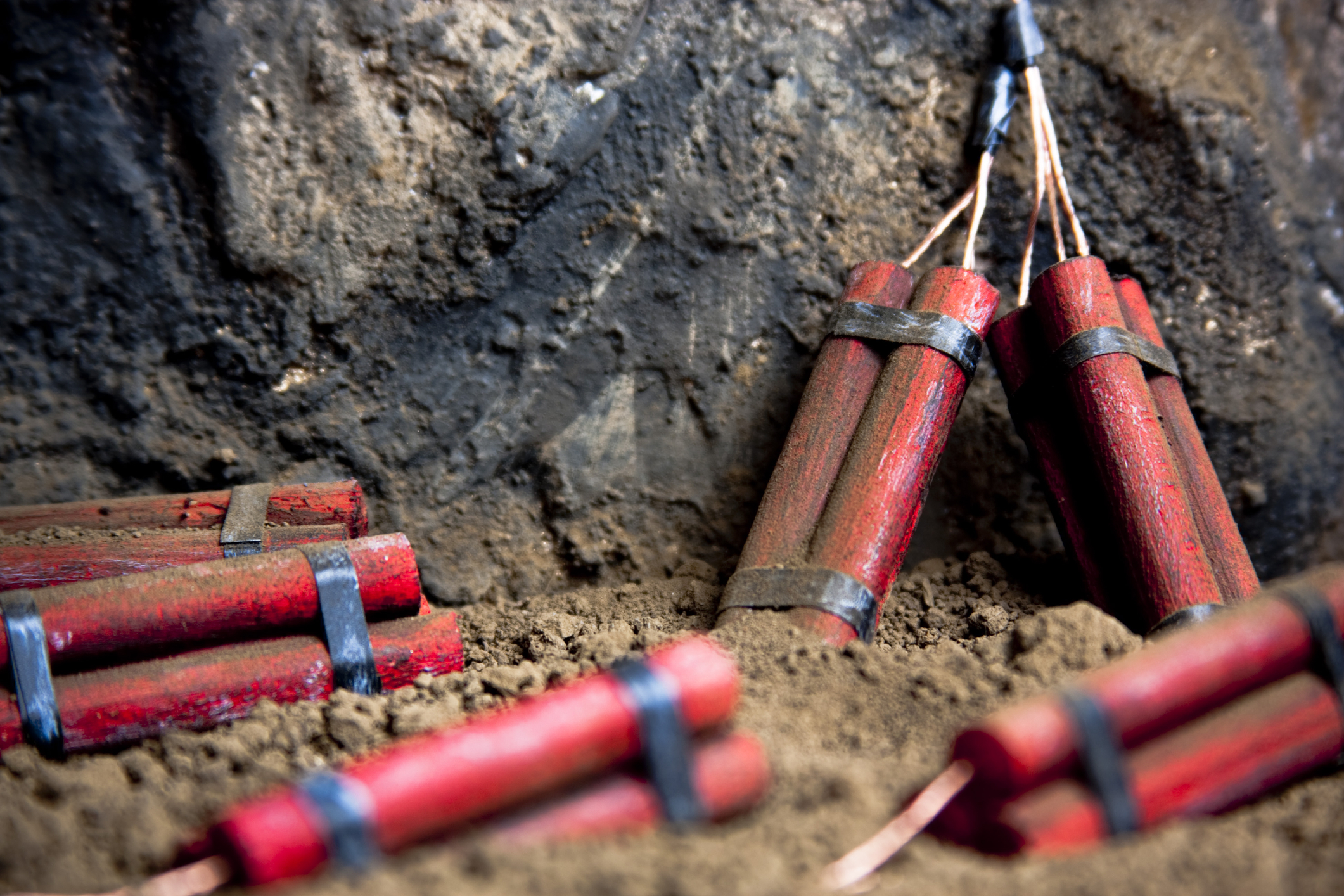
Exploring the world of explosives and pyrotechnics can be both fascinating and dangerous. One of the most well-known explosives is TNT, or trinitrotoluene. Understanding what is TNT and its properties is crucial for anyone involved in fields that require knowledge of explosives, such as military, mining, and demolition. This blog post will delve into the history, chemical properties, uses, and safety considerations of TNT.
History of TNT
TNT, or trinitrotoluene, was first prepared in 1863 by German chemist Julius Wilbrand. However, it was not until the late 19th century that its potential as an explosive was recognized. The German military began using TNT in significant quantities during World War I, and its use continued to expand throughout the 20th century. TNT's stability, relative safety in handling, and powerful explosive properties made it a staple in military arsenals worldwide.
Chemical Properties of TNT
TNT is a yellow, crystalline solid with the chemical formula C7H5N3O6. It is a nitroaromatic compound, meaning it contains nitro groups (-NO2) attached to an aromatic ring. The structure of TNT is what gives it its explosive properties. The nitro groups are highly oxidizing, and when TNT is detonated, it releases a large amount of energy in the form of heat and gas.
Some key chemical properties of TNT include:
- Molecular weight: 227.13 g/mol
- Melting point: 80.35°C (176.63°F)
- Density: 1.654 g/cm³
- Solubility: Slightly soluble in water, soluble in organic solvents like acetone and ethanol
Uses of TNT
TNT has a wide range of applications due to its powerful explosive properties and relative stability. Some of the primary uses of TNT include:
Military Applications
TNT is extensively used in military operations for various purposes, including:
- Artillery shells and bombs
- Landmines and other explosive devices
- Demolition charges
Mining and Construction
In the mining and construction industries, TNT is used for:
- Blasting rock and other materials
- Creating tunnels and excavations
Scientific Research
TNT is also used in scientific research for studying the effects of explosions and for developing new explosive materials. Its well-understood properties make it a valuable tool in experimental settings.
Safety Considerations
While TNT is relatively stable compared to other explosives, it is still a highly dangerous substance. Handling TNT requires strict safety protocols to prevent accidents. Some key safety considerations include:
Storage
TNT should be stored in a cool, dry place away from sources of heat and ignition. It should also be kept separate from other explosives and combustible materials to prevent accidental detonation.
Handling
When handling TNT, it is essential to use personal protective equipment (PPE), including gloves, safety glasses, and protective clothing. Any spills or leaks should be cleaned up immediately using appropriate procedures.
Disposal
Disposing of TNT requires specialized procedures to ensure safety. TNT waste should be collected and disposed of according to local regulations and guidelines. Improper disposal can lead to environmental contamination and potential hazards.
Here is a table summarizing the key safety considerations for handling TNT:
| Safety Aspect | Considerations |
|---|---|
| Storage | Cool, dry place away from heat and ignition sources |
| Handling | Use PPE, clean up spills immediately |
| Disposal | Follow local regulations, avoid environmental contamination |
🛑 Note: Always follow local regulations and guidelines when handling, storing, and disposing of TNT. Improper handling can result in serious injury or death.
Environmental Impact
TNT, like many explosives, can have significant environmental impacts if not handled and disposed of properly. Contamination from TNT can affect soil, water, and wildlife. The primary environmental concerns related to TNT include:
Soil Contamination
TNT can persist in soil for extended periods, contaminating the environment and posing risks to plants and animals. Soil contamination can occur through improper disposal or accidental spills.
Water Contamination
TNT can leach into groundwater, contaminating water supplies and affecting aquatic ecosystems. Proper disposal and containment measures are essential to prevent water contamination.
Wildlife Impact
TNT and its breakdown products can be toxic to wildlife, affecting their health and reproduction. Contaminated environments can lead to bioaccumulation in the food chain, posing risks to higher trophic levels, including humans.
To mitigate these environmental impacts, it is crucial to follow strict safety protocols and disposal guidelines. Proper containment and treatment of TNT waste can help minimize environmental contamination and protect ecosystems.
🌿 Note: Environmental contamination from TNT can have long-lasting effects. Proper handling and disposal are essential to protect the environment and public health.
Alternatives to TNT
While TNT has been a staple in military and industrial applications for over a century, there is ongoing research into alternative explosives that may offer improved safety and performance. Some of the alternatives to TNT include:
RDX (Research Department Explosive)
RDX is a more powerful explosive than TNT and is often used in military applications. It is more sensitive to shock and friction, requiring careful handling.
HMX (High Melting Explosive)
HMX is another powerful explosive used in military and aerospace applications. It is even more sensitive than RDX and requires specialized handling procedures.
PETN (Pentaerythritol Tetranitrate)
PETN is a highly sensitive explosive used in detonators and booster charges. Its sensitivity makes it dangerous to handle and requires strict safety protocols.
These alternatives offer different properties and performance characteristics compared to TNT. The choice of explosive depends on the specific application and safety considerations.
In conclusion, understanding what is TNT and its properties is essential for anyone involved in fields that require knowledge of explosives. From its history and chemical properties to its uses and safety considerations, TNT remains a critical component in military, mining, and scientific applications. Proper handling, storage, and disposal are crucial to ensure safety and minimize environmental impacts. As research continues, alternatives to TNT may offer improved performance and safety, but for now, TNT remains a cornerstone of explosive technology.
Related Terms:
- what tnt stand for
- what does tnt look like
- how does tnt work
- what does tnt mean
- tnt meaning explosive
- what is tnt made of