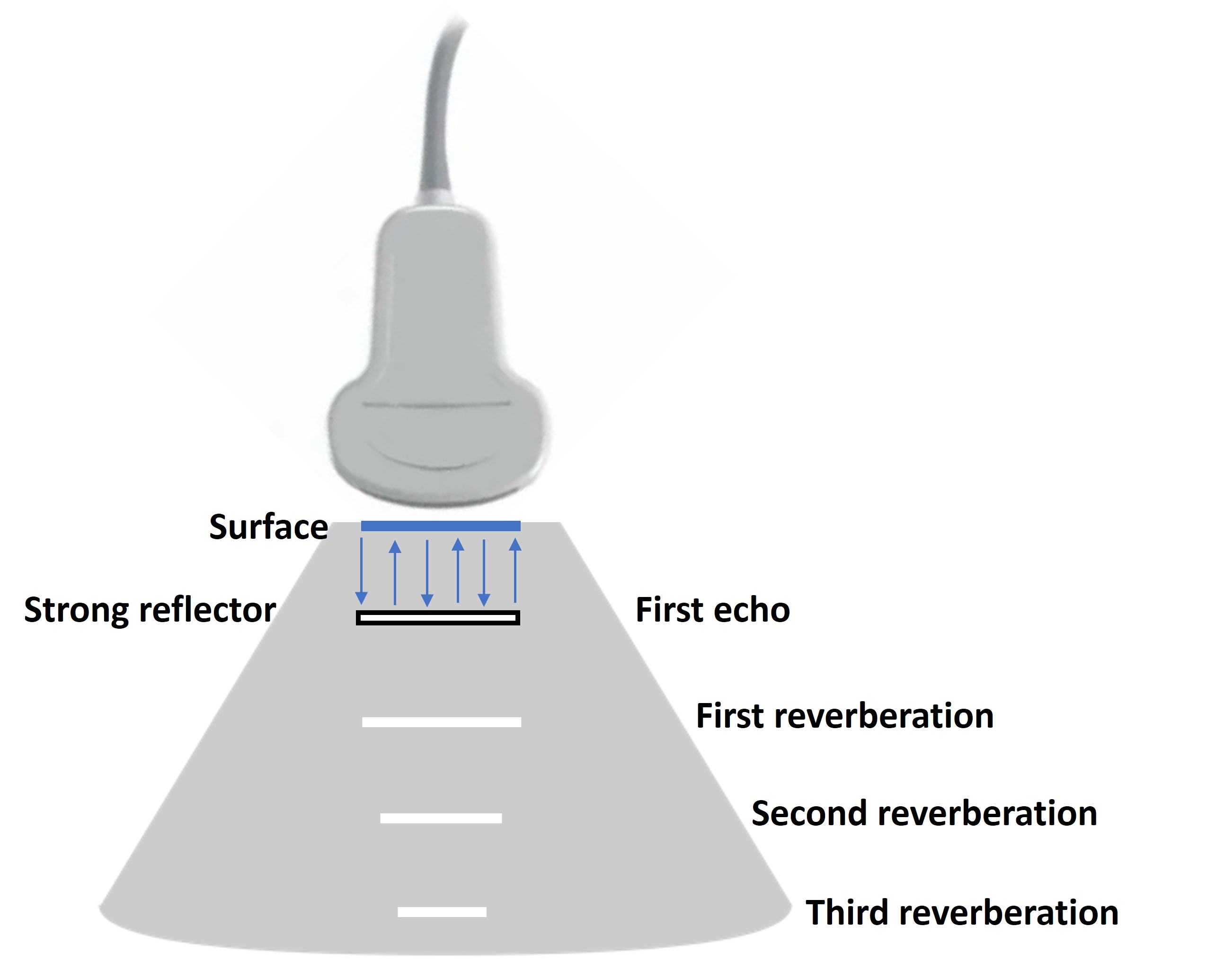
Understanding the intricacies of sound and acoustics is crucial for anyone involved in audio engineering, music production, or even home theater setup. One of the fundamental concepts in this field is reverberation. What is reverberation? It is the persistence of sound in a particular space after the sound is produced. This phenomenon occurs when sound waves bounce off surfaces and reflect back into the space, creating a series of echoes that blend together. Reverberation is what gives a room its unique acoustic character and can significantly impact the quality of sound in various environments.
Understanding Reverberation
To grasp the concept of reverberation, it's essential to understand how sound travels and interacts with its surroundings. When a sound is produced, it travels in waves through the air. These waves encounter surfaces such as walls, floors, and ceilings, which reflect the sound back into the space. The reflected sound waves continue to bounce around, gradually losing energy until they are no longer audible. This continuous reflection and absorption of sound waves create the reverberant field, which is the sustained sound that follows the initial direct sound.
Key Factors Affecting Reverberation
Several factors influence the reverberation characteristics of a space. Understanding these factors can help in designing acoustically optimal environments. The key factors include:
- Room Size and Shape: Larger rooms tend to have longer reverberation times because sound waves have more distance to travel before being absorbed. The shape of the room also plays a role; irregular shapes can scatter sound waves more effectively, reducing reverberation.
- Surface Materials: The materials used in the construction of a room significantly affect reverberation. Hard, reflective surfaces like concrete and glass increase reverberation, while soft, absorptive materials like carpets and curtains reduce it.
- Volume of the Room: The volume of a room, or the amount of air it contains, influences reverberation. Larger volumes generally have longer reverberation times because there is more space for sound waves to travel.
- Frequency of Sound: Different frequencies of sound are absorbed differently by various materials. Lower frequencies tend to be absorbed less efficiently, leading to longer reverberation times for bass sounds.
Measuring Reverberation
Reverberation is typically measured using a parameter called the reverberation time (RT60). RT60 is the time it takes for the sound pressure level to decrease by 60 decibels after the sound source is turned off. This measurement is crucial in acoustics as it provides a quantitative way to describe the reverberant characteristics of a space. The RT60 value can be used to determine the acoustic treatment needed to achieve the desired sound quality in a room.
There are several methods to measure RT60, including:
- Impulse Response Method: This involves using a loud, short-duration sound (impulse) and measuring the decay of the sound over time. The time it takes for the sound to decay by 60 decibels is the RT60.
- Pink Noise Method: This method uses pink noise, which has equal energy per octave, to measure the decay of sound. The decay curve is analyzed to determine the RT60.
- Schroeder Integration Method: This is a mathematical approach that integrates the decay curve to find the RT60. It is often used in conjunction with impulse response measurements.
Applications of Reverberation
Understanding and controlling reverberation is essential in various applications, from music production to architectural design. Here are some key areas where reverberation plays a significant role:
- Music Production: In recording studios, reverberation is carefully managed to achieve the desired acoustic environment. Producers and engineers use reverberation effects to enhance the spatial characteristics of recordings, making them sound more natural and immersive.
- Live Performance Venues: Concert halls, theaters, and other live performance venues are designed with specific reverberation characteristics in mind. The goal is to create an acoustic environment that enhances the performance without overwhelming the audience.
- Home Theater Systems: In home theater setups, reverberation can be simulated using digital signal processing (DSP) to create a more cinematic experience. This involves using surround sound systems and acoustic treatments to mimic the reverberation of a movie theater.
- Architectural Acoustics: Architects and acousticians work together to design buildings with optimal reverberation characteristics. This includes selecting appropriate materials, designing room shapes, and incorporating acoustic treatments to achieve the desired sound quality.
Controlling Reverberation
Controlling reverberation is crucial for achieving the desired acoustic environment in any space. There are several techniques and tools available to manage reverberation effectively:
- Acoustic Treatments: These include materials like foam panels, fiberglass, and mineral wool, which absorb sound waves and reduce reverberation. Placing these treatments strategically on walls, ceilings, and floors can significantly improve the acoustic quality of a room.
- Diffusers: Diffusers scatter sound waves in multiple directions, reducing the buildup of standing waves and echoes. They are often used in conjunction with absorptive materials to create a balanced acoustic environment.
- Bass Traps: These are specialized acoustic treatments designed to absorb low-frequency sounds, which are often the most challenging to control. Bass traps are typically placed in the corners of a room, where low frequencies tend to accumulate.
- Digital Signal Processing (DSP): In modern audio systems, DSP is used to simulate and control reverberation digitally. This allows for precise adjustments to the reverberation characteristics of a space, making it possible to achieve the desired acoustic environment without physical modifications.
When implementing acoustic treatments, it's important to consider the specific needs of the space and the desired acoustic characteristics. For example, a recording studio may require different treatments than a concert hall. Consulting with an acoustician can help ensure that the right treatments are used in the right places to achieve the best results.
📝 Note: Always consider the specific acoustic goals of the space when selecting and placing acoustic treatments. What works for one environment may not be suitable for another.
Reverberation in Different Environments
Reverberation characteristics vary significantly between different environments. Understanding these differences can help in designing and optimizing acoustic spaces for specific purposes. Here are some examples of reverberation in various environments:
| Environment | Typical RT60 (seconds) | Characteristics |
|---|---|---|
| Concert Hall | 1.5 - 2.5 | Long reverberation time enhances the richness and depth of the sound, creating an immersive listening experience. |
| Recording Studio | 0.3 - 0.5 | Short reverberation time provides a clear and controlled acoustic environment, ideal for capturing detailed recordings. |
| Home Theater | 0.5 - 1.0 | Moderate reverberation time creates a cinematic experience, enhancing the spatial characteristics of the sound. |
| Office Space | 0.2 - 0.4 | Short reverberation time improves speech intelligibility, making it easier to communicate in a busy environment. |
| Church | 2.0 - 3.0 | Long reverberation time enhances the reverence and grandeur of the space, creating a sense of awe and reverence. |
Challenges and Solutions in Managing Reverberation
Managing reverberation can present several challenges, especially in complex or large spaces. Some common issues and their solutions include:
- Standing Waves: These occur when sound waves reflect back and forth between parallel surfaces, creating areas of high and low pressure. Standing waves can cause uneven sound distribution and coloration. Solutions include using diffusers and absorptive materials to break up the reflections and reduce standing waves.
- Flutter Echoes: These are short, rapid echoes that occur when sound waves bounce between two parallel surfaces. Flutter echoes can be distracting and reduce speech intelligibility. Solutions include using absorptive materials and diffusers to scatter the sound waves and reduce reflections.
- Low-Frequency Buildup: Low-frequency sounds tend to accumulate in the corners of a room, leading to a buildup of bass. This can result in a muddy or boomy sound. Solutions include using bass traps and absorptive materials to control low-frequency reflections and reduce buildup.
Addressing these challenges requires a combination of acoustic treatments, careful room design, and sometimes digital signal processing. Working with an acoustician can help ensure that the right solutions are implemented to achieve the desired acoustic environment.
📝 Note: Always consider the specific acoustic challenges of the space when designing and implementing acoustic treatments. What works for one environment may not be suitable for another.
Reverberation is a fundamental aspect of acoustics that plays a crucial role in shaping the sound of a space. Understanding what is reverberation and how it works is essential for anyone involved in audio engineering, music production, or architectural design. By controlling and optimizing reverberation, it is possible to create acoustic environments that enhance the quality of sound and provide an immersive listening experience.
In conclusion, reverberation is a complex but fascinating phenomenon that has a significant impact on the acoustic characteristics of a space. By understanding the key factors that affect reverberation and implementing appropriate acoustic treatments, it is possible to create environments that are optimized for specific purposes, whether it’s a concert hall, recording studio, or home theater. The careful management of reverberation can enhance the quality of sound, improve speech intelligibility, and create immersive listening experiences. Whether you’re a professional audio engineer, a musician, or an architect, understanding and controlling reverberation is a crucial skill that can greatly enhance your work.
Related Terms:
- what is reverberation in physics
- what is reverberation in bg3
- what does reverberation mean
- what is reverberation in ultrasound
- what is reverberation time
- what is reverberation in sound