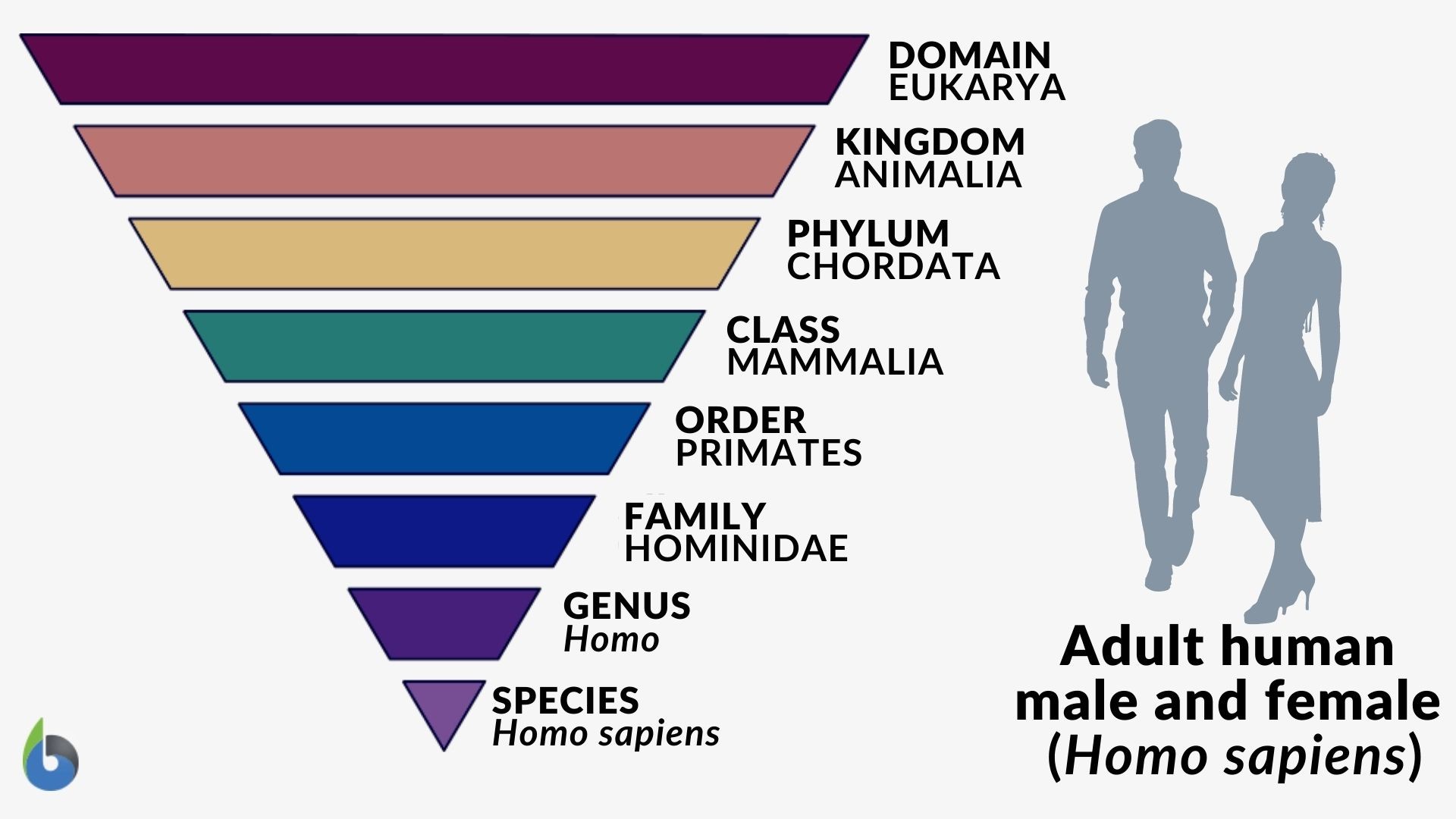
Human biology is a fascinating and complex field that explores the structure, function, growth, origin, evolution, and distribution of the human body. Understanding what is human biology involves delving into various aspects of the human organism, from the molecular level to the entire organism. This blog post will provide an in-depth look into the key components of human biology, including cellular structure, organ systems, genetics, and the impact of environmental factors on human health.
Cellular Structure and Function
The fundamental unit of life is the cell, and understanding cellular structure is crucial for grasping what is human biology. Human cells are eukaryotic, meaning they have a true nucleus and other membrane-bound organelles. Key components of a human cell include:
- Nucleus: Contains the genetic material (DNA) that controls cell activities and heredity.
- Mitochondria: Known as the powerhouse of the cell, they produce energy in the form of ATP.
- Ribosomes: Sites of protein synthesis, essential for cell growth and repair.
- Endoplasmic Reticulum (ER): Involved in the synthesis and transport of lipids and proteins.
- Golgi Apparatus: Modifies, sorts, packages, and distributes proteins and lipids.
Cells work together to form tissues, which in turn form organs and organ systems. This hierarchical organization is essential for the proper functioning of the human body.
Organ Systems and Their Functions
Human biology encompasses the study of various organ systems, each with specific functions that contribute to the overall health and well-being of the individual. Some of the major organ systems include:
- Circulatory System: Transports nutrients, oxygen, and waste products throughout the body.
- Respiratory System: Facilitates the exchange of gases, including oxygen and carbon dioxide.
- Digestive System: Breaks down food into nutrients that can be absorbed by the body.
- Excretory System: Removes waste products from the body, maintaining homeostasis.
- Nervous System: Controls and coordinates body functions, including movement, sensation, and thought.
- Endocrine System: Regulates body processes through hormones.
- Musculoskeletal System: Provides support, movement, and protection for the body.
- Immune System: Defends the body against pathogens and foreign invaders.
- Reproductive System: Responsible for the production of offspring.
Each organ system plays a critical role in maintaining the body's homeostasis, the state of internal balance necessary for survival.
Genetics and Heredity
Genetics is a cornerstone of what is human biology, focusing on the study of genes, genetic variation, and heredity. Human genetics involves understanding how traits are passed from one generation to the next through DNA. Key concepts in human genetics include:
- DNA (Deoxyribonucleic Acid): The molecular structure that carries genetic information.
- Genes: Segments of DNA that contain instructions for making proteins.
- Chromosomes: Structures that contain DNA and are found in the nucleus of cells.
- Alleles: Different versions of a gene that can result in different traits.
- Genotype: The genetic makeup of an individual.
- Phenotype: The observable traits of an individual, resulting from the interaction of genotype and environment.
Genetic disorders, such as cystic fibrosis and sickle cell anemia, are caused by mutations in specific genes. Understanding these genetic mechanisms is crucial for developing treatments and preventive measures.
Environmental Factors and Human Health
While genetics play a significant role in human biology, environmental factors also greatly influence health and well-being. These factors include:
- Diet: Proper nutrition is essential for growth, development, and overall health.
- Exercise: Regular physical activity helps maintain cardiovascular health, muscle strength, and mental well-being.
- Environmental Pollutants: Exposure to toxins and pollutants can lead to various health issues, including respiratory and cardiovascular diseases.
- Stress: Chronic stress can negatively impact mental health and contribute to physical ailments.
- Social Factors: Social support, education, and economic status can influence health outcomes.
Understanding the interplay between genetics and environmental factors is essential for a comprehensive understanding of what is human biology and for developing effective health interventions.
Developmental Biology
Developmental biology explores the processes by which organisms grow and develop from a single cell to a complex multicellular organism. Key stages in human development include:
- Fertilization: The fusion of a sperm cell with an egg cell to form a zygote.
- Embryonic Development: The early stages of development, including the formation of the blastocyst and the differentiation of cells into various tissues and organs.
- Fetal Development: The later stages of development, characterized by rapid growth and the maturation of organ systems.
- Birth and Postnatal Development: The transition from intrauterine to extrauterine life and the continued growth and development of the individual.
Developmental biology provides insights into congenital disorders, birth defects, and the factors that influence growth and development throughout the lifespan.
Evolutionary Biology
Evolutionary biology examines the processes by which species change over time. Understanding human evolution helps us grasp what is human biology and how we have adapted to our environment. Key concepts in human evolution include:
- Natural Selection: The process by which organisms better adapted to their environment tend to survive and produce more offspring.
- Genetic Drift: Random changes in the frequency of alleles in a population.
- Mutation: Changes in the DNA sequence that can introduce new traits into a population.
- Migration: The movement of individuals or populations from one area to another, which can introduce new genetic material.
Human evolution has shaped our physical characteristics, behaviors, and cognitive abilities, making us uniquely adapted to our environment.
Impact of Technology on Human Biology
Advances in technology have revolutionized our understanding of what is human biology. Key technological innovations include:
- Genomic Sequencing: Allows for the detailed analysis of an individual's genetic makeup, aiding in the diagnosis and treatment of genetic disorders.
- Imaging Techniques: Such as MRI and CT scans, provide detailed images of the body's internal structures, aiding in diagnosis and treatment.
- Biotechnology: Includes techniques like CRISPR-Cas9 for gene editing, which has the potential to correct genetic mutations and treat diseases.
- Artificial Intelligence: Used in medical diagnostics, drug discovery, and personalized medicine to improve health outcomes.
These technological advancements have significantly enhanced our ability to study and understand human biology, leading to improved healthcare and quality of life.
📚 Note: The field of human biology is vast and continually evolving. This blog post provides an overview of key concepts and areas of study, but there is always more to explore and discover.
In conclusion, what is human biology encompasses a wide range of topics, from cellular structure and organ systems to genetics, environmental factors, and technological advancements. Understanding these components is essential for appreciating the complexity and wonder of the human body. By studying human biology, we gain insights into our own health and well-being, as well as the health of future generations. This knowledge is crucial for developing effective treatments, preventive measures, and interventions that improve the quality of life for all individuals.
Related Terms:
- what is human biology class
- what is human biology major
- define human biology
- definition of human biology
- biological definition of a human
- what is human biology called