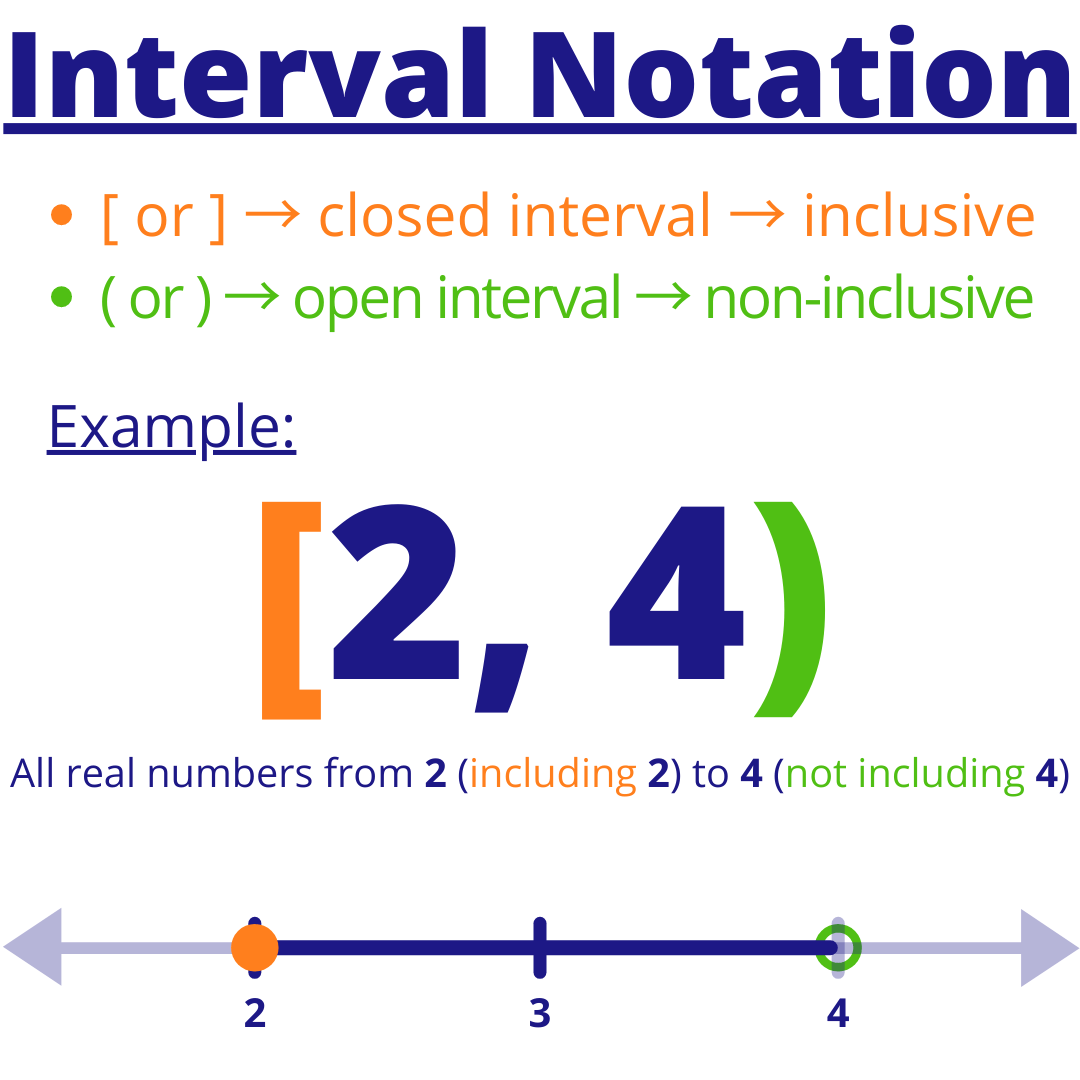
Understanding inequalities is fundamental in mathematics, and one of the more complex topics within this realm is the concept of compound inequalities. Compound inequalities involve combining two or more inequalities using logical operators such as "and" or "or." This combination can significantly alter the solution set, making it crucial to grasp the underlying principles. In this post, we will delve into what is compound inequality, explore different types, and provide step-by-step examples to illustrate how to solve them.
Understanding Compound Inequalities
Compound inequalities are mathematical expressions that combine two or more inequalities using logical connectors. These connectors can be "and" (conjunction) or "or" (disjunction). Understanding these connectors is essential for solving compound inequalities effectively.
Conjunction (And): When two inequalities are connected by "and," the solution set must satisfy both inequalities simultaneously. This means the solution set is the intersection of the individual solution sets.
Disjunction (Or): When two inequalities are connected by "or," the solution set includes all values that satisfy either inequality. This means the solution set is the union of the individual solution sets.
Types of Compound Inequalities
Compound inequalities can be categorized based on the type of inequalities they combine and the logical connectors used. The primary types are:
- Conjunction Inequalities: These involve the "and" connector and require both inequalities to be true simultaneously.
- Disjunction Inequalities: These involve the "or" connector and require at least one of the inequalities to be true.
Solving Compound Inequalities
Solving compound inequalities involves understanding the individual inequalities and then combining their solution sets based on the logical connector used. Let's explore how to solve each type with examples.
Solving Conjunction Inequalities
Conjunction inequalities require both inequalities to be true. The solution set is the intersection of the individual solution sets. Here’s a step-by-step guide:
- Solve each inequality separately.
- Find the intersection of the solution sets.
- Write the final solution set.
Example: Solve the compound inequality x + 3 > 5 and x - 2 < 4.
- Solve x + 3 > 5:
- x > 2
- Solve x - 2 < 4:
- x < 6
- Find the intersection of x > 2 and x < 6:
- The solution set is 2 < x < 6.
💡 Note: When solving conjunction inequalities, ensure that the solution set satisfies both inequalities simultaneously.
Solving Disjunction Inequalities
Disjunction inequalities require at least one of the inequalities to be true. The solution set is the union of the individual solution sets. Here’s a step-by-step guide:
- Solve each inequality separately.
- Find the union of the solution sets.
- Write the final solution set.
Example: Solve the compound inequality x + 3 > 5 or x - 2 < 4.
- Solve x + 3 > 5:
- x > 2
- Solve x - 2 < 4:
- x < 6
- Find the union of x > 2 and x < 6:
- The solution set is x > 2 or x < 6.
💡 Note: When solving disjunction inequalities, ensure that the solution set includes all values that satisfy either inequality.
Special Cases and Considerations
While solving compound inequalities, there are special cases and considerations that can affect the solution set. Understanding these can help avoid common pitfalls.
Overlapping Solution Sets
When the solution sets of individual inequalities overlap, the solution set for a conjunction inequality will be the overlapping region. For a disjunction inequality, the solution set will include the entire range covered by both inequalities.
Example: Solve the compound inequality x > 3 and x < 7.
- Solve x > 3:
- The solution set is x > 3.
- Solve x < 7:
- The solution set is x < 7.
- Find the intersection of x > 3 and x < 7:
- The solution set is 3 < x < 7.
Non-Overlapping Solution Sets
When the solution sets of individual inequalities do not overlap, the solution set for a conjunction inequality will be empty. For a disjunction inequality, the solution set will be the union of the individual solution sets.
Example: Solve the compound inequality x > 5 and x < 3.
- Solve x > 5:
- The solution set is x > 5.
- Solve x < 3:
- The solution set is x < 3.
- Find the intersection of x > 5 and x < 3:
- The solution set is empty (∅).
💡 Note: An empty solution set for a conjunction inequality indicates that there are no values that satisfy both inequalities simultaneously.
Practical Applications of Compound Inequalities
Compound inequalities have numerous practical applications in various fields, including economics, engineering, and computer science. Understanding how to solve them can help in making informed decisions and solving real-world problems.
Economics: In economics, compound inequalities can be used to determine the range of acceptable prices for goods and services. For example, a company might want to set a price that is both above the cost of production and below the maximum price consumers are willing to pay.
Engineering: In engineering, compound inequalities can be used to ensure that a system operates within safe and efficient parameters. For example, a control system might need to maintain a temperature within a specific range to avoid overheating or freezing.
Computer Science: In computer science, compound inequalities can be used in algorithms to ensure that variables stay within acceptable limits. For example, a sorting algorithm might need to ensure that array indices stay within the bounds of the array.
Common Mistakes to Avoid
When solving compound inequalities, it's essential to avoid common mistakes that can lead to incorrect solutions. Here are some tips to help you stay on track:
- Misinterpreting the Logical Connectors: Ensure you understand the difference between "and" and "or" and how they affect the solution set.
- Incorrectly Combining Solution Sets: When combining solution sets, make sure to find the correct intersection or union based on the logical connector.
- Overlooking Special Cases: Be aware of special cases, such as overlapping or non-overlapping solution sets, and handle them appropriately.
By keeping these tips in mind, you can avoid common pitfalls and solve compound inequalities accurately.
Compound inequalities are a crucial concept in mathematics that involves combining two or more inequalities using logical connectors. Understanding what is compound inequality, the types of compound inequalities, and how to solve them is essential for mastering this topic. By following the steps outlined in this post and being aware of common mistakes, you can solve compound inequalities with confidence. Whether you’re a student, a professional, or someone interested in mathematics, understanding compound inequalities can help you tackle a wide range of problems and make informed decisions.
Related Terms:
- examples of compound inequalities
- compound inequality meaning
- compound inequalities how to solve
- compound inequality definition
- compound inequalities explained
- compound inequality how to solve