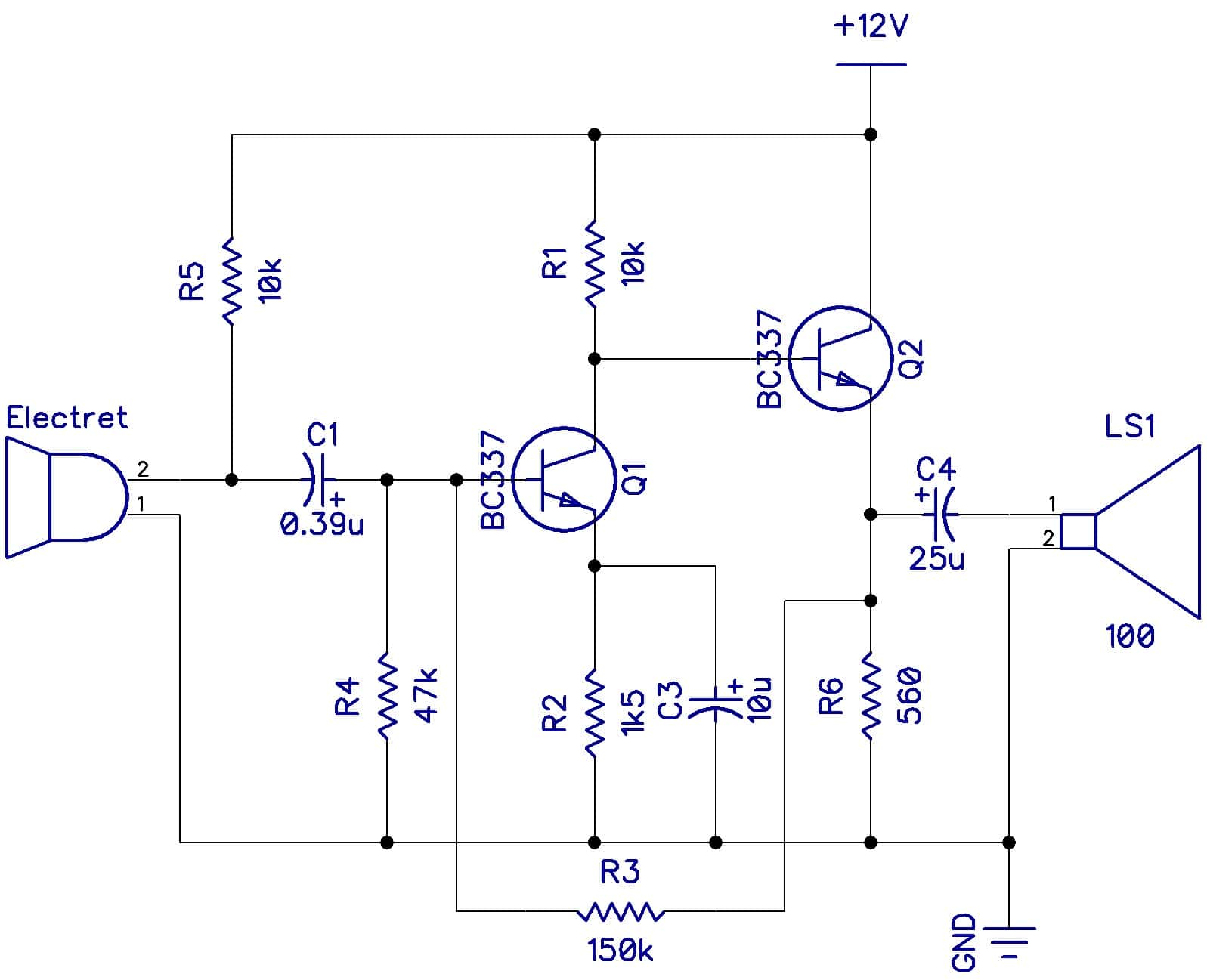
Understanding the fundamentals of audio equipment is essential for anyone interested in music production, sound engineering, or even home audio setups. One of the most critical components in any audio system is the amplifier. But what is an amplifier? Simply put, an amplifier is a device that increases the amplitude of a signal, making it louder and more powerful. This process is crucial for driving speakers and ensuring that the audio output is clear and robust. Whether you're setting up a home theater, a live performance stage, or a recording studio, understanding amplifiers is key to achieving optimal sound quality.
Understanding the Basics of Amplifiers
Amplifiers come in various types, each designed for specific applications. The most common types include:
- Power Amplifiers: These are used to drive speakers and are essential for live performances and home audio systems.
- Pre-Amplifiers: These amplify low-level signals from sources like microphones or instruments before they reach the power amplifier.
- Instrument Amplifiers: Specifically designed for electric guitars and other instruments, these amplifiers often include effects and tone-shaping features.
- Headphone Amplifiers: These are used to drive headphones, providing a clearer and more powerful sound.
Each type of amplifier serves a unique purpose, and understanding their differences is crucial for selecting the right one for your needs.
How Amplifiers Work
At its core, an amplifier takes a weak electrical signal and boosts its power. This process involves several key components:
- Input Stage: This is where the weak signal from the source (e.g., a microphone or guitar) is received.
- Gain Stage: The signal is then amplified to a higher level. The amount of amplification is controlled by the gain setting.
- Output Stage: The amplified signal is sent to the speakers or other output devices.
Amplifiers use transistors or vacuum tubes to achieve this amplification. Transistor amplifiers are generally more efficient and reliable, while tube amplifiers are known for their warm, rich sound.
Key Specifications to Consider
When choosing an amplifier, several specifications are crucial to consider:
- Power Output: Measured in watts, this indicates how much power the amplifier can deliver to the speakers. Higher wattage generally means louder and clearer sound.
- Frequency Response: This measures the range of frequencies the amplifier can reproduce accurately. A wider frequency response means better sound quality.
- Total Harmonic Distortion (THD): This measures the amount of distortion introduced by the amplifier. Lower THD values indicate better sound quality.
- Signal-to-Noise Ratio (SNR): This measures the level of background noise relative to the signal. A higher SNR means cleaner sound.
Understanding these specifications will help you make an informed decision when selecting an amplifier for your specific needs.
Types of Amplifiers
Amplifiers can be categorized based on their design and application. Here are some of the most common types:
- Class A Amplifiers: Known for their high fidelity and low distortion, these amplifiers are efficient but can be power-hungry.
- Class B Amplifiers: These amplifiers are more efficient than Class A but can suffer from crossover distortion.
- Class AB Amplifiers: A compromise between Class A and Class B, these amplifiers offer a good balance of efficiency and sound quality.
- Class D Amplifiers: These are digital amplifiers that use switching technology to achieve high efficiency and low heat generation.
Each class of amplifier has its own advantages and disadvantages, making them suitable for different applications.
Applications of Amplifiers
Amplifiers are used in a wide range of applications, from home audio systems to professional recording studios. Here are some common uses:
- Home Audio Systems: Amplifiers are essential for driving speakers in home theaters and stereo systems, ensuring clear and powerful sound.
- Live Performances: Power amplifiers are used to drive stage monitors and main PA systems, ensuring that the audience can hear the performance clearly.
- Recording Studios: Pre-amplifiers and power amplifiers are used to capture and reproduce high-quality audio, ensuring that recordings are clear and accurate.
- Instrument Amplification: Guitar and bass amplifiers are designed to amplify the signal from electric instruments, often including effects and tone-shaping features.
In each of these applications, the choice of amplifier can significantly impact the overall sound quality and performance.
Choosing the Right Amplifier
Selecting the right amplifier depends on your specific needs and the application. Here are some factors to consider:
- Power Requirements: Ensure that the amplifier can deliver enough power to drive your speakers or other output devices.
- Sound Quality: Consider the frequency response, THD, and SNR to ensure that the amplifier provides the sound quality you need.
- Compatibility: Make sure the amplifier is compatible with your existing equipment, including speakers, microphones, and instruments.
- Budget: Amplifiers can range from affordable to very expensive. Determine your budget and look for the best value within that range.
By considering these factors, you can choose an amplifier that meets your needs and provides the best possible sound quality.
💡 Note: Always check the specifications and reviews of an amplifier before making a purchase to ensure it meets your requirements.
Maintaining Your Amplifier
Proper maintenance is essential for ensuring the longevity and performance of your amplifier. Here are some tips for maintaining your amplifier:
- Keep It Cool: Ensure that your amplifier has adequate ventilation to prevent overheating.
- Avoid Moisture: Keep your amplifier away from moisture and humidity to prevent damage.
- Regular Cleaning: Dust and dirt can accumulate inside the amplifier, affecting its performance. Regularly clean the amplifier to keep it in good condition.
- Proper Storage: When not in use, store your amplifier in a cool, dry place to prevent damage.
By following these maintenance tips, you can extend the life of your amplifier and ensure that it continues to perform at its best.
💡 Note: Always refer to the manufacturer's guidelines for specific maintenance instructions.
Common Issues and Troubleshooting
Even with proper maintenance, amplifiers can sometimes encounter issues. Here are some common problems and troubleshooting tips:
- No Sound: Check the power supply, connections, and volume settings. Ensure that the amplifier is properly connected to the speakers and other devices.
- Distortion: High levels of distortion can indicate a problem with the amplifier or the speakers. Check the gain settings and ensure that the amplifier is not overloaded.
- Overheating: If the amplifier is overheating, ensure that it has adequate ventilation and is not placed in a confined space.
- Hum or Buzz: Ground loop issues can cause hum or buzz. Check the grounding of all connected devices and ensure that they are properly grounded.
By following these troubleshooting tips, you can identify and resolve common issues with your amplifier.
💡 Note: If you encounter persistent issues, consider consulting a professional technician for further assistance.
Future Trends in Amplifier Technology
The field of amplifier technology is constantly evolving, with new innovations and advancements emerging regularly. Some of the latest trends include:
- Digital Amplifiers: Digital amplifiers use advanced digital signal processing (DSP) to achieve high efficiency and low distortion.
- Wireless Amplifiers: Wireless amplifiers eliminate the need for cumbersome cables, providing greater flexibility and convenience.
- Smart Amplifiers: Smart amplifiers integrate with smart home systems, allowing for remote control and automation.
- Eco-Friendly Amplifiers: Amplifiers designed with energy efficiency in mind, reducing power consumption and environmental impact.
These trends are shaping the future of amplifier technology, offering new possibilities for audio enthusiasts and professionals alike.
In conclusion, amplifiers play a crucial role in any audio system, enhancing sound quality and ensuring that the audio output is clear and powerful. Understanding the different types of amplifiers, their specifications, and applications is essential for selecting the right one for your needs. By following proper maintenance and troubleshooting tips, you can ensure that your amplifier continues to perform at its best. As technology advances, new innovations in amplifier design are paving the way for even better sound quality and convenience. Whether you’re setting up a home audio system, a live performance stage, or a recording studio, choosing the right amplifier is key to achieving optimal sound quality.
Related Terms:
- what is an amp
- what are amplifiers used for
- types of amplifier
- what does amplifier do
- amplifier circuit
- how does an amplifier work