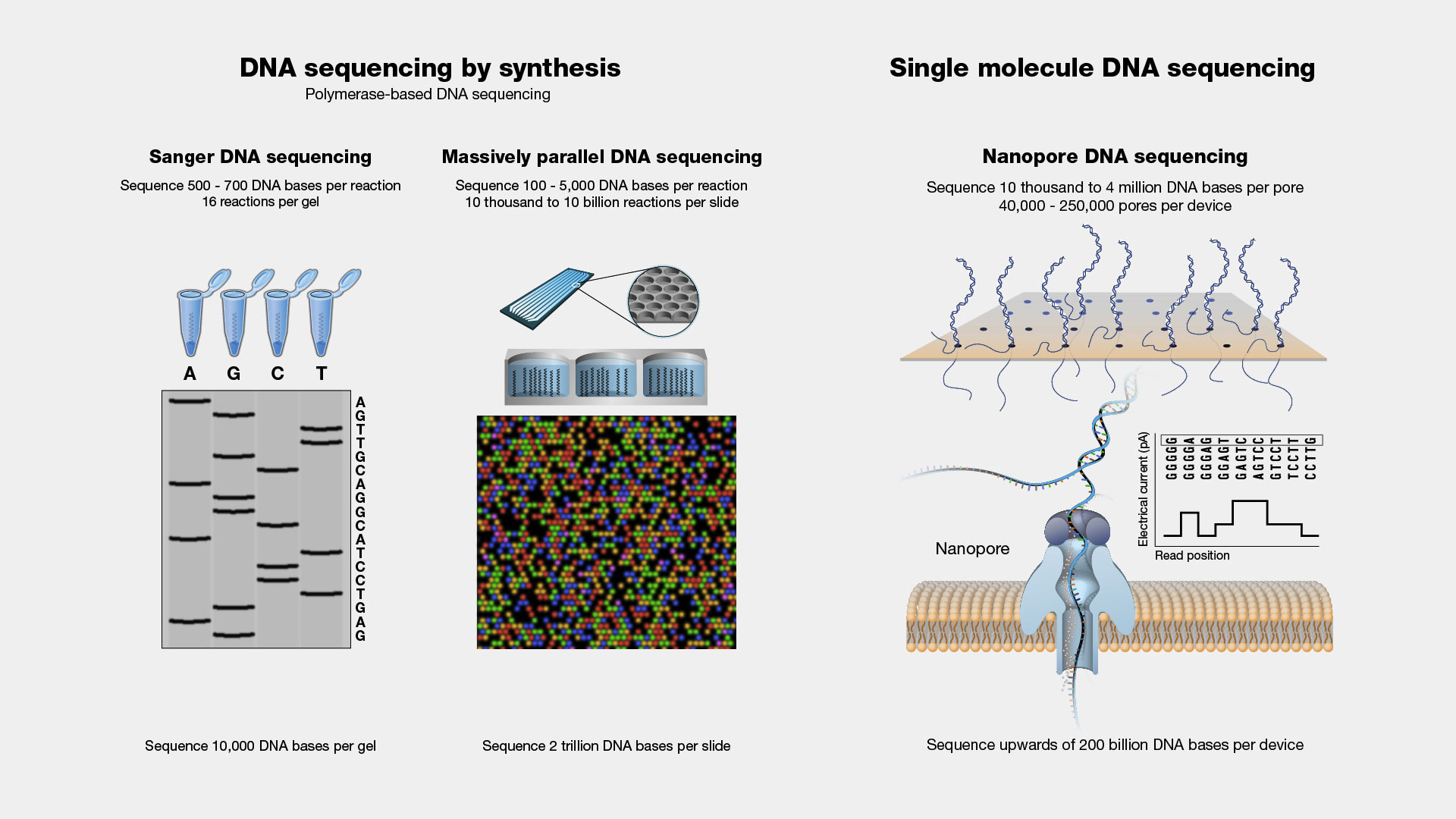
Understanding the intricacies of data analysis often leads us to the question: What is a sequencing? Sequencing is a fundamental process in bioinformatics and genomics that involves determining the precise order of nucleotides within a DNA or RNA molecule. This process is crucial for various applications, including genetic research, disease diagnosis, and personalized medicine. In this post, we will delve into the basics of sequencing, its types, applications, and the technologies that make it possible.
Understanding DNA Sequencing
DNA sequencing is the process of determining the exact order of nucleotides—adenine (A), thymine (T), guanine (G), and cytosine (C)—in a DNA molecule. This information is essential for understanding genetic information and how it influences biological processes. The sequencing process can be broken down into several key steps:
- Sample Preparation: This involves extracting DNA from the sample and preparing it for sequencing. The DNA is often fragmented into smaller pieces to make the sequencing process more manageable.
- Sequencing: The actual sequencing process involves reading the order of nucleotides in the DNA fragments. This can be done using various technologies, which we will discuss later.
- Data Analysis: The raw sequencing data is analyzed to assemble the fragments into a complete genome or to identify specific genetic variations.
Types of Sequencing Technologies
Over the years, several sequencing technologies have been developed, each with its own advantages and limitations. The most commonly used technologies include:
Sanger Sequencing
Sanger sequencing, also known as chain-termination sequencing, was the first widely used method for DNA sequencing. It involves the use of dideoxynucleotides (ddNTPs) to terminate DNA synthesis at specific points, allowing for the determination of the nucleotide sequence. This method is highly accurate but is relatively slow and expensive compared to modern technologies.
Next-Generation Sequencing (NGS)
Next-generation sequencing (NGS) refers to a group of technologies that allow for high-throughput sequencing of DNA. These technologies can sequence millions of DNA fragments simultaneously, making them much faster and more cost-effective than Sanger sequencing. Some of the most popular NGS platforms include:
- Illumina Sequencing: This technology uses reversible terminators to sequence DNA. It is widely used for whole-genome sequencing, RNA sequencing, and targeted sequencing.
- Ion Torrent Sequencing: This method detects the release of hydrogen ions during DNA synthesis to determine the nucleotide sequence. It is known for its speed and accuracy.
- PacBio Sequencing: Pacific Biosciences (PacBio) uses single-molecule real-time (SMRT) sequencing to read long DNA fragments. This technology is particularly useful for sequencing complex genomes and identifying structural variations.
- Oxford Nanopore Sequencing: This technology uses nanopores to sequence DNA. It allows for real-time sequencing and can read very long DNA fragments, making it ideal for applications requiring long-read data.
Applications of DNA Sequencing
DNA sequencing has a wide range of applications in various fields, including medicine, agriculture, and environmental science. Some of the key applications include:
Genetic Research
Sequencing is essential for understanding the genetic basis of diseases and traits. By comparing the genomes of individuals with and without a particular condition, researchers can identify genetic variations associated with the disease. This information can be used to develop new diagnostic tools and therapies.
Personalized Medicine
Personalized medicine involves tailoring medical treatment to the individual characteristics of each patient. DNA sequencing can help identify genetic variations that influence a patient's response to drugs, allowing for more effective and personalized treatment plans.
Agriculture
In agriculture, sequencing is used to improve crop yields and develop disease-resistant varieties. By sequencing the genomes of plants, researchers can identify genes associated with desirable traits and use this information to breed better crops.
Environmental Science
Sequencing is also used in environmental science to study microbial communities and their roles in ecosystems. By sequencing the DNA of microorganisms in soil, water, and air, researchers can gain insights into the diversity and function of these communities.
Challenges and Future Directions
While DNA sequencing has revolutionized many fields, it also faces several challenges. One of the main challenges is the high cost of sequencing, particularly for large-scale projects. However, advances in technology are continually driving down the cost of sequencing, making it more accessible to researchers and clinicians.
Another challenge is the complexity of analyzing the vast amounts of data generated by sequencing. Developing efficient algorithms and computational tools for data analysis is crucial for extracting meaningful insights from sequencing data.
Looking ahead, the future of sequencing is promising. Emerging technologies, such as single-cell sequencing and spatial transcriptomics, are expanding the scope of what can be achieved with sequencing. These technologies allow for the analysis of individual cells and the spatial organization of gene expression, providing new insights into biological processes and disease mechanisms.
Additionally, the integration of sequencing data with other types of data, such as proteomics and metabolomics, is enhancing our understanding of complex biological systems. This multi-omics approach is paving the way for more comprehensive and personalized approaches to health and disease.
📝 Note: The field of sequencing is rapidly evolving, with new technologies and applications emerging regularly. Staying updated with the latest developments is essential for researchers and clinicians to leverage the full potential of sequencing.
In summary, sequencing is a powerful tool that has transformed our understanding of genetics and biology. From identifying genetic variations to developing personalized treatments, sequencing has wide-ranging applications that continue to grow. As technology advances, the future of sequencing holds even greater promise, offering new opportunities for discovery and innovation.
Related Terms:
- what is sequencing in english
- what is sequencing definition
- what is sequencing in genetics
- how does gene sequencing work
- what is a sequencing chart
- what does sequencing mean