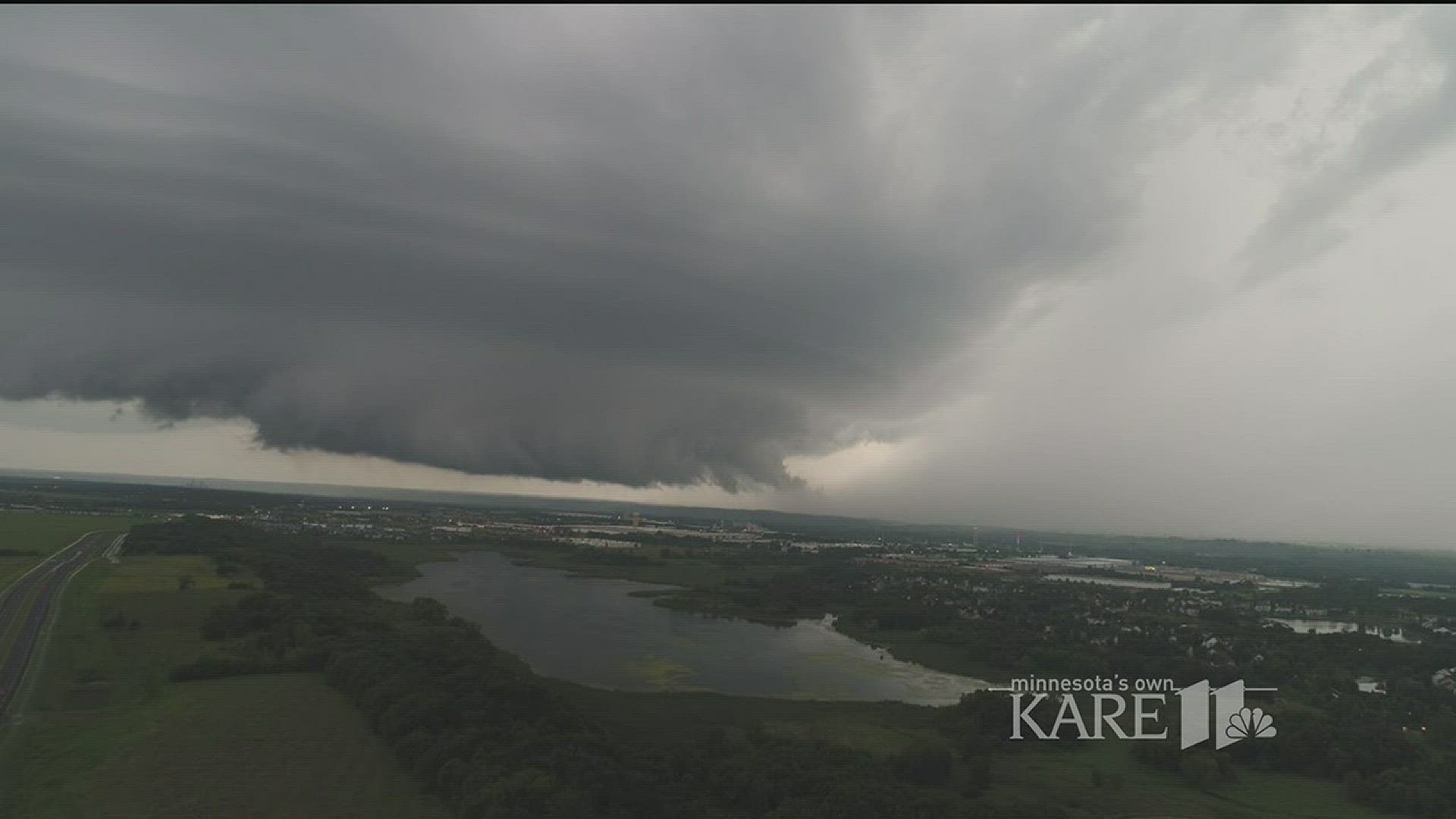
Understanding the dynamics of severe weather phenomena is crucial for meteorologists and weather enthusiasts alike. One of the most fascinating and potentially dangerous aspects of severe thunderstorms is the mesocyclone. But what is a mesocyclone? This rotating column of air within a thunderstorm can lead to the formation of tornadoes and other severe weather events. In this blog post, we will delve into the intricacies of mesocyclones, their formation, characteristics, and the role they play in severe weather systems.
Understanding Mesocyclones
A mesocyclone is a rotating column of air within a thunderstorm, typically ranging from 2 to 6 kilometers in diameter. It is a key feature in the development of severe weather, particularly tornadoes. Mesocyclones are often associated with supercell thunderstorms, which are characterized by their persistent, rotating updrafts.
Mesocyclones form when warm, moist air rises rapidly within a thunderstorm, creating a strong updraft. This updraft can cause the air to rotate horizontally. As the updraft intensifies, it can tilt the rotating air vertically, forming a mesocyclone. The rotation within a mesocyclone can be quite strong, with wind speeds exceeding 100 miles per hour in some cases.
Formation of Mesocyclones
The formation of a mesocyclone involves several key factors:
- Warm, Moist Air: The presence of warm, moist air is essential for the development of thunderstorms. This air rises rapidly, creating strong updrafts.
- Wind Shear: Wind shear, or the change in wind speed and direction with height, is crucial for the formation of mesocyclones. It helps to create the horizontal rotation that can be tilted vertically by the updraft.
- Instability: Atmospheric instability, which occurs when the air is warmer and more buoyant than the surrounding environment, allows for the rapid rise of air parcels.
When these conditions are met, a mesocyclone can form within a thunderstorm. The rotation within the mesocyclone can intensify over time, leading to the development of a tornado if conditions are favorable.
Characteristics of Mesocyclones
Mesocyclones have several distinct characteristics that set them apart from other weather phenomena:
- Rotation: The most defining characteristic of a mesocyclone is its rotation. This rotation can be observed using Doppler radar, which detects the movement of precipitation within the storm.
- Size: Mesocyclones typically range from 2 to 6 kilometers in diameter, although they can be larger or smaller in some cases.
- Duration: Mesocyclones can last for several minutes to over an hour, depending on the strength and longevity of the thunderstorm.
- Association with Tornadoes: While not all mesocyclones produce tornadoes, many do. The rotation within a mesocyclone can tighten and intensify, leading to the formation of a tornado.
Mesocyclones are often associated with supercell thunderstorms, which are characterized by their persistent, rotating updrafts. These storms can produce large hail, strong winds, and tornadoes, making them some of the most dangerous weather systems.
Types of Mesocyclones
Mesocyclones can be classified into different types based on their characteristics and the type of thunderstorm they are associated with. The two main types are:
- Classic Mesocyclones: These are the most common type of mesocyclone and are typically associated with supercell thunderstorms. They are characterized by a strong, persistent rotation within the thunderstorm.
- Non-Supercell Mesocyclones: These mesocyclones are less common and are not associated with supercell thunderstorms. They can still produce severe weather, including tornadoes, but are generally less intense than classic mesocyclones.
Understanding the different types of mesocyclones can help meteorologists better predict the potential for severe weather and issue appropriate warnings.
Detection and Monitoring of Mesocyclones
Detecting and monitoring mesocyclones is crucial for issuing timely warnings and protecting lives and property. Doppler radar is the primary tool used to detect mesocyclones. This type of radar can detect the movement of precipitation within a storm, allowing meteorologists to identify the rotation associated with a mesocyclone.
In addition to Doppler radar, other tools and techniques are used to monitor mesocyclones:
- Storm Spotters: Trained storm spotters play a vital role in monitoring mesocyclones and reporting their observations to meteorologists.
- Satellite Imagery: Satellite imagery can provide valuable information about the structure and movement of thunderstorms, helping meteorologists identify potential mesocyclones.
- Weather Models: Advanced weather models can simulate the development of mesocyclones and provide forecasts of their potential impact.
By using these tools and techniques, meteorologists can better understand the behavior of mesocyclones and issue more accurate warnings.
Impact of Mesocyclones
Mesocyclones can have a significant impact on the environment and human activities. The rotation within a mesocyclone can lead to the formation of tornadoes, which can cause extensive damage and loss of life. In addition to tornadoes, mesocyclones can produce large hail, strong winds, and heavy rainfall, all of which can have significant impacts.
Some of the key impacts of mesocyclones include:
- Tornadoes: Mesocyclones are often associated with the formation of tornadoes, which can cause extensive damage and loss of life.
- Large Hail: Mesocyclones can produce large hail, which can damage crops, vehicles, and buildings.
- Strong Winds: The strong winds associated with mesocyclones can cause damage to trees, power lines, and buildings.
- Heavy Rainfall: Mesocyclones can produce heavy rainfall, leading to flooding and other water-related hazards.
Understanding the potential impacts of mesocyclones is essential for preparing for and responding to severe weather events.
Safety Measures During Mesocyclone Events
When a mesocyclone is detected, it is important to take appropriate safety measures to protect yourself and your property. Here are some key safety tips:
- Stay Informed: Keep up-to-date with the latest weather information and warnings from local meteorological services.
- Seek Shelter: If a mesocyclone or tornado is approaching, seek shelter immediately in a sturdy building, preferably in a basement or interior room on the lowest level.
- Avoid Windows: Stay away from windows and exterior walls, as they can be shattered by strong winds or flying debris.
- Protect Your Property: Secure outdoor objects that could become projectiles in high winds, such as patio furniture, grills, and bicycles.
- Have an Emergency Kit: Prepare an emergency kit with essential supplies, including water, non-perishable food, a first aid kit, flashlights, and a portable radio.
By following these safety measures, you can better protect yourself and your property during mesocyclone events.
📢 Note: Always follow the instructions provided by local authorities and meteorological services during severe weather events.
Case Studies of Notable Mesocyclones
Throughout history, there have been several notable mesocyclones that have had significant impacts. Here are a few case studies:
Joplin Tornado (2011): The Joplin tornado, which occurred on May 22, 2011, was one of the deadliest tornadoes in U.S. history. The tornado, which was spawned by a mesocyclone, caused extensive damage and resulted in 158 fatalities. The tornado had wind speeds exceeding 200 miles per hour and a path width of up to 1.5 miles.
El Reno Tornado (2013): The El Reno tornado, which occurred on May 31, 2013, was the widest tornado ever recorded in the United States. The tornado, which was spawned by a mesocyclone, had a peak width of 2.6 miles and caused significant damage. The tornado resulted in eight fatalities, including three storm chasers who were caught in the storm.
Tuscaloosa-Birmingham Tornado (2011): The Tuscaloosa-Birmingham tornado, which occurred on April 27, 2011, was part of a larger outbreak of tornadoes that affected the southeastern United States. The tornado, which was spawned by a mesocyclone, caused extensive damage and resulted in 64 fatalities. The tornado had wind speeds exceeding 190 miles per hour and a path length of over 80 miles.
These case studies highlight the potential impacts of mesocyclones and the importance of understanding and monitoring these weather phenomena.
Future Research and Technology
As our understanding of mesocyclones continues to evolve, so too does the technology used to detect and monitor them. Future research and technological advancements will play a crucial role in improving our ability to predict and respond to severe weather events.
Some areas of future research and technology include:
- Improved Radar Technology: Advances in radar technology, such as phased-array radar, can provide more detailed and accurate information about the structure and movement of mesocyclones.
- Enhanced Weather Models: Improved weather models can simulate the development of mesocyclones with greater accuracy, providing more reliable forecasts of their potential impact.
- Artificial Intelligence and Machine Learning: AI and machine learning techniques can be used to analyze large datasets and identify patterns that may indicate the formation of mesocyclones.
- Satellite Technology: Advances in satellite technology can provide more detailed and frequent observations of thunderstorms, helping meteorologists better understand the behavior of mesocyclones.
By investing in these areas of research and technology, we can improve our ability to predict and respond to severe weather events, ultimately saving lives and protecting property.
Mesocyclones are a fascinating and potentially dangerous aspect of severe weather systems. Understanding what is a mesocyclone, their formation, characteristics, and impacts is crucial for meteorologists and weather enthusiasts alike. By staying informed and taking appropriate safety measures, we can better prepare for and respond to these powerful weather phenomena.
Mesocyclones are a critical component of severe thunderstorms, particularly supercell thunderstorms. Their rotating column of air can lead to the formation of tornadoes and other severe weather events. By understanding the dynamics of mesocyclones, we can improve our ability to predict and respond to these weather phenomena, ultimately saving lives and protecting property.
Related Terms:
- what does a mesocyclone mean
- how does a mesocyclone form
- what does a mesocyclone do
- define mesocyclone
- mesocyclone diagram
- how does a mesocyclone happen