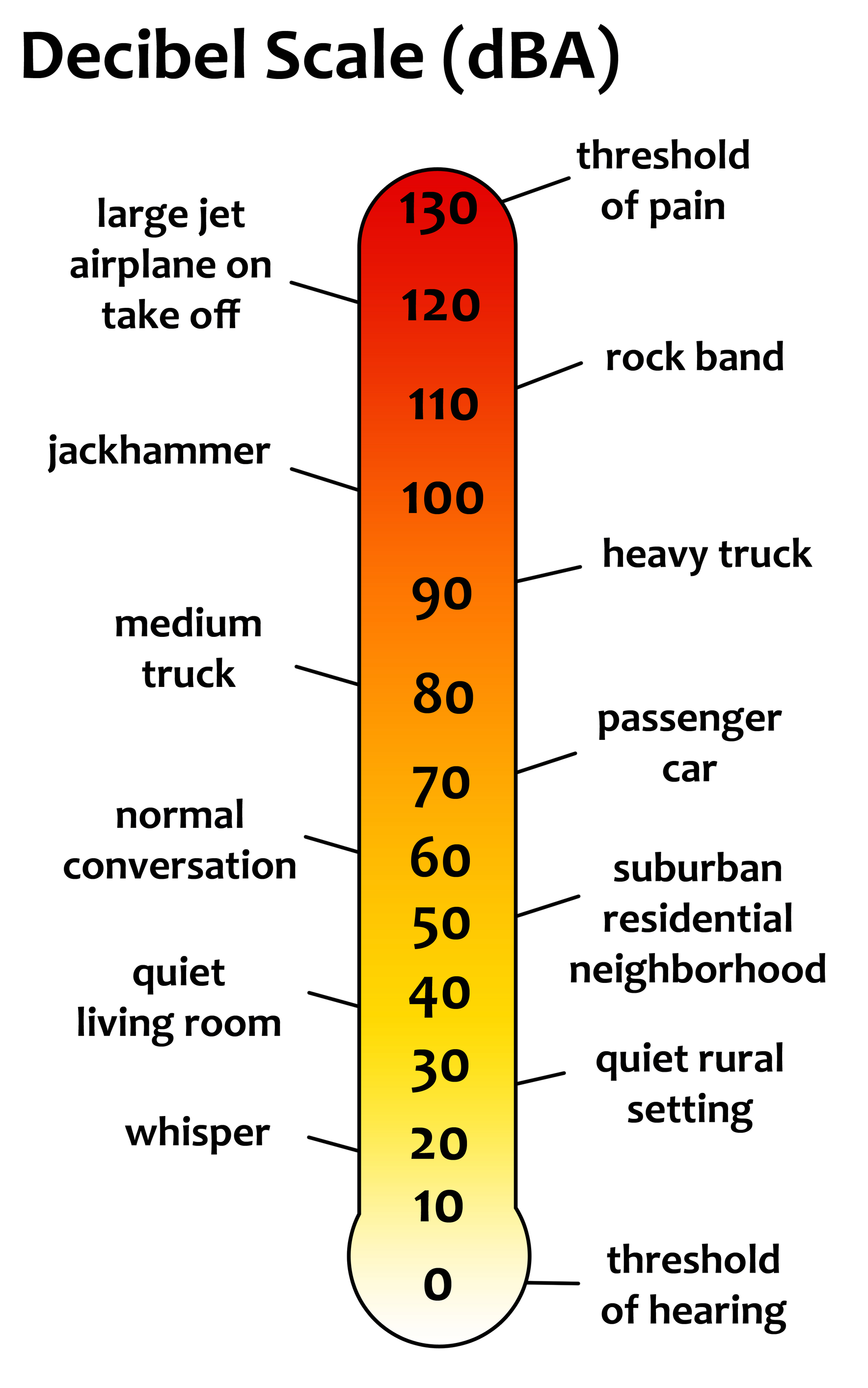
Sound is an integral part of our daily lives, from the gentle hum of a refrigerator to the thunderous roar of a jet engine. Understanding the intensity of sound is crucial in various fields, including acoustics, music production, and environmental studies. One of the fundamental units used to measure sound intensity is the decibel. But what is a decibel? This unit is essential for quantifying sound levels and has wide-ranging applications in both scientific and everyday contexts.
Understanding Decibels
Decibels are a logarithmic unit used to measure the intensity of sound. The decibel scale is designed to accommodate the vast range of sound levels that humans can perceive, from the faintest whisper to the loudest thunderclap. The decibel scale is logarithmic, meaning that each increase of 10 decibels represents a tenfold increase in sound intensity.
To put this into perspective, consider the following examples:
- A whisper is typically around 30 decibels.
- Normal conversation is about 60 decibels.
- A lawnmower operates at around 90 decibels.
- A jet engine can reach 140 decibels.
The Science Behind Decibels
The decibel scale is based on the human ear's sensitivity to sound. The human ear can detect a wide range of sound intensities, from the quietest sounds to the loudest. The decibel scale is designed to reflect this sensitivity accurately. The formula for calculating decibels (dB) is:
dB = 10 * log10(P1/P0)
Where:
- P1 is the sound pressure level being measured.
- P0 is the reference sound pressure level, typically set at 20 microPascals (µPa) in air.
This logarithmic scale allows for a more manageable representation of sound levels, as it compresses the vast range of sound intensities into a more digestible format.
Applications of Decibels
Decibels are used in various fields to measure and control sound levels. Some of the most common applications include:
Acoustics and Noise Control
In acoustics, decibels are used to measure and control noise levels in various environments. This is crucial for ensuring that noise pollution is kept to a minimum, especially in urban areas. Noise control engineers use decibel measurements to design soundproofing materials and strategies to reduce noise levels in buildings, vehicles, and industrial settings.
Music Production
In the music industry, decibels are used to measure the volume of audio signals. Sound engineers and producers use decibel meters to ensure that recordings are at the optimal volume level. This is essential for maintaining audio quality and preventing distortion. Additionally, decibels are used to calibrate audio equipment, ensuring that it performs consistently across different environments.
Environmental Studies
Environmental scientists use decibels to measure noise pollution levels in natural habitats. Excessive noise can disrupt wildlife and ecosystems, so monitoring sound levels is crucial for conservation efforts. Decibel measurements help scientists understand the impact of human activities on the environment and develop strategies to mitigate noise pollution.
Health and Safety
In occupational health and safety, decibels are used to measure noise levels in workplaces. Prolonged exposure to high decibel levels can cause hearing loss and other health issues. Employers use decibel measurements to ensure that noise levels are within safe limits and implement measures to protect workers from excessive noise exposure.
Decibel Levels and Human Health
Exposure to high decibel levels can have significant impacts on human health. Prolonged exposure to sounds above 85 decibels can lead to hearing loss and other health issues. It is essential to understand the decibel levels of common sounds and take appropriate measures to protect your hearing.
Here is a table of common sounds and their decibel levels:
| Sound Source | Decibel Level (dB) |
|---|---|
| Whisper | 30 |
| Normal Conversation | 60 |
| Lawnmower | 90 |
| Jet Engine | 140 |
To protect your hearing, it is recommended to limit exposure to sounds above 85 decibels. If you must be in a high-decibel environment, consider using earplugs or other hearing protection devices.
🔍 Note: Prolonged exposure to sounds above 85 decibels can cause permanent hearing damage. Always use appropriate hearing protection in noisy environments.
Measuring Decibels
Measuring decibels accurately is crucial for various applications. There are several tools and methods available for measuring sound levels, including:
Sound Level Meters
Sound level meters are handheld devices used to measure sound pressure levels in decibels. These meters are commonly used in acoustics, environmental studies, and occupational health and safety. They provide accurate readings of sound levels and can be calibrated to ensure precision.
Smartphone Apps
There are numerous smartphone apps available that can measure sound levels in decibels. These apps use the microphone on your smartphone to detect sound pressure levels and provide real-time readings. While not as accurate as professional sound level meters, these apps can be useful for quick measurements and general awareness of sound levels.
Decibel Meters in Audio Equipment
Many audio devices, such as mixers and amplifiers, come with built-in decibel meters. These meters help sound engineers and producers monitor audio levels and ensure that recordings are at the optimal volume. Built-in decibel meters are essential for maintaining audio quality and preventing distortion.
Decibel Levels in Everyday Life
Understanding decibel levels in everyday life can help you make informed decisions about your environment and protect your hearing. Here are some examples of decibel levels in common situations:
Home Environment
In the home, decibel levels can vary widely depending on the activities taking place. For example:
- A quiet bedroom might have a decibel level of around 30-40 dB.
- A television playing at a moderate volume might be around 70 dB.
- A vacuum cleaner can reach 75-80 dB.
To maintain a comfortable and safe home environment, it is essential to be aware of these decibel levels and take steps to reduce noise when necessary.
Workplace Environment
In the workplace, decibel levels can be higher, especially in industrial settings. For example:
- An office environment might have a decibel level of around 50-60 dB.
- A construction site can reach 90-100 dB.
- A factory with heavy machinery might be around 110 dB.
Employers should take measures to reduce noise levels in the workplace and provide hearing protection for employees who are exposed to high decibel levels.
Outdoor Environment
Outdoor environments can also have varying decibel levels. For example:
- A quiet park might have a decibel level of around 40-50 dB.
- A busy city street can reach 70-80 dB.
- A concert or sporting event might be around 100-120 dB.
Being aware of these decibel levels can help you take appropriate measures to protect your hearing in outdoor environments.
🔍 Note: Always be mindful of your surroundings and take steps to protect your hearing in high-decibel environments.
Conclusion
Understanding what is a decibel and its applications is essential for various fields, including acoustics, music production, environmental studies, and health and safety. Decibels provide a standardized way to measure sound intensity, allowing us to quantify and control sound levels in different environments. By being aware of decibel levels in everyday life, we can take steps to protect our hearing and maintain a comfortable and safe environment. Whether you are a sound engineer, an environmental scientist, or simply someone who wants to protect their hearing, understanding decibels is a crucial skill.
Related Terms:
- decibel scale
- how much is a decibel
- decibel meaning
- decibel formula
- decibel chart
- what is a decibel unit