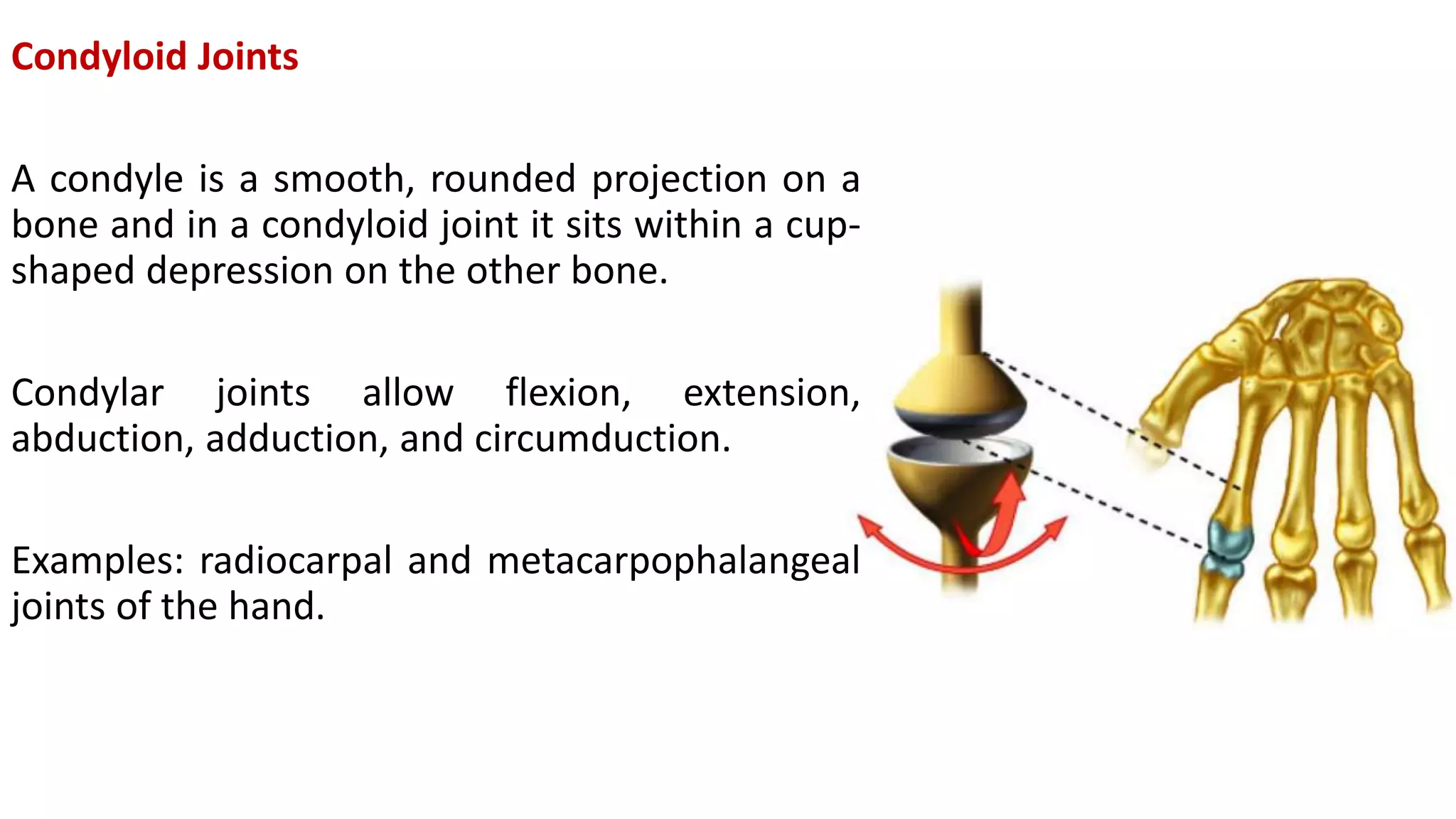
Understanding the human body's intricate structure often involves delving into the specifics of its various components. One such component is the condyle, a term that might not be familiar to everyone but is crucial in the context of anatomy and orthopedics. This post aims to provide a comprehensive overview of what a condyle is, its types, functions, and clinical significance.
What Is A Condyle?
A condyle is a rounded articular surface at the end of a bone, which forms a joint with another bone. The term "condyle" comes from the Greek word "kondylos," meaning "knuckle." Condyles are essential for the smooth movement and articulation of bones in the body. They are typically found in pairs and are characterized by their smooth, rounded surfaces that allow for gliding, pivoting, or rotational movements.
Types of Condyles
Condyles can be classified based on their location and function. The primary types include:
- Mandibular Condyle: Located at the end of the mandible (lower jaw), this condyle articulates with the temporal bone to form the temporomandibular joint (TMJ).
- Femoral Condyles: Found at the distal end of the femur (thighbone), these condyles articulate with the tibia (shinbone) to form the knee joint.
- Occipital Condyles: Located at the base of the skull, these condyles articulate with the atlas (first cervical vertebra) to form the atlanto-occipital joint, which allows for nodding movements of the head.
- Humeral Condyles: Found at the distal end of the humerus (upper arm bone), these condyles articulate with the ulna and radius to form the elbow joint.
Functions of Condyles
The primary function of a condyle is to facilitate smooth and efficient movement between bones. This is achieved through several mechanisms:
- Articulation: Condyles provide a smooth surface for bones to glide against each other, reducing friction and wear.
- Load Distribution: The rounded shape of condyles helps distribute the weight and forces exerted on the joint, preventing excessive stress on any single point.
- Stability: Condyles contribute to the stability of joints by fitting snugly into corresponding surfaces on adjacent bones.
- Range of Motion: The design of condyles allows for a wide range of movements, including flexion, extension, rotation, and gliding.
Clinical Significance of Condyles
Understanding the role of condyles is crucial in various medical fields, particularly orthopedics and dentistry. Conditions affecting condyles can lead to significant functional impairments and pain. Some common clinical issues related to condyles include:
- Temporomandibular Joint Disorder (TMJD): This condition affects the mandibular condyle and can cause pain, clicking sounds, and difficulty in jaw movement.
- Osteoarthritis of the Knee: This degenerative joint disease often affects the femoral condyles, leading to pain, stiffness, and reduced mobility.
- Fractures: Condyles can be fractured due to trauma, which may require surgical intervention to restore joint function.
- Congenital Abnormalities: Conditions such as condylar hypoplasia can affect the development of condyles, leading to malocclusion and other dental issues.
Diagnosis and Treatment of Condyle-Related Conditions
Diagnosing conditions related to condyles typically involves a combination of clinical examination, imaging studies, and sometimes laboratory tests. Common diagnostic tools include:
- X-rays: Provide a basic view of the bone structure and can detect fractures or degenerative changes.
- MRI: Offers detailed images of soft tissues and can help identify issues such as cartilage damage or ligament injuries.
- CT Scans: Provide high-resolution images of bone structures and are useful for detecting complex fractures.
- Arthroscopy: A minimally invasive procedure that allows direct visualization of the joint and can be used for both diagnosis and treatment.
Treatment options for condyle-related conditions vary depending on the severity and underlying cause. Common treatments include:
- Medications: Pain relievers, anti-inflammatory drugs, and muscle relaxants can help manage symptoms.
- Physical Therapy: Exercises and manual therapies can improve joint mobility, strength, and function.
- Surgical Interventions: Procedures such as arthroplasty, osteotomy, or joint replacement may be necessary for severe cases.
- Lifestyle Modifications: Weight management, ergonomic adjustments, and activity modifications can help reduce stress on affected joints.
📝 Note: Early diagnosis and appropriate management of condyle-related conditions can significantly improve outcomes and quality of life.
Prevention of Condyle-Related Issues
While some condyle-related issues are unavoidable due to genetic factors or trauma, there are several preventive measures that can be taken to maintain joint health:
- Regular Exercise: Engaging in low-impact activities such as swimming, cycling, or yoga can help strengthen muscles and improve joint flexibility.
- Maintaining a Healthy Weight: Excess weight can put additional stress on joints, increasing the risk of degenerative conditions.
- Proper Nutrition: A balanced diet rich in calcium, vitamin D, and other essential nutrients can support bone health.
- Ergonomic Practices: Using proper posture and ergonomic equipment can reduce strain on joints during daily activities.
- Avoiding High-Impact Activities: Activities that involve sudden, high-impact movements can increase the risk of joint injuries.
In addition to these general preventive measures, specific precautions can be taken for different types of condyles:
| Type of Condyle | Preventive Measures |
|---|---|
| Mandibular Condyle | Avoiding excessive chewing of hard foods, wearing a mouthguard during contact sports, and managing stress to prevent teeth grinding. |
| Femoral Condyles | Using knee braces during high-impact activities, wearing supportive footwear, and avoiding sudden changes in direction during sports. |
| Occipital Condyles | Maintaining good posture, using ergonomic pillows, and avoiding activities that involve sudden, jerky movements of the head. |
| Humeral Condyles | Using elbow pads during contact sports, avoiding repetitive strain injuries, and maintaining proper form during weightlifting. |
By understanding the role of condyles and taking proactive measures, individuals can significantly reduce the risk of developing joint-related issues and maintain optimal joint health.
In summary, condyles play a crucial role in the structure and function of various joints in the body. Understanding what a condyle is, its types, functions, and clinical significance can help in the prevention, diagnosis, and treatment of related conditions. By adopting preventive measures and seeking timely medical intervention, individuals can maintain healthy joints and improve their overall quality of life.
Related Terms:
- meaning of condyle
- what is condyle in anatomy
- condyle meaning medical
- definition of a condyle
- what bones have condyles
- what is a condyle bone