Understanding the significance of a census is crucial for grasping how societies function and make informed decisions. A census is a comprehensive count of a population, typically conducted by governments to gather detailed information about demographics, housing, and other essential aspects of life. This data is invaluable for planning, policy-making, and ensuring that resources are allocated fairly and effectively. In this post, we will delve into what is a census, its historical background, the methods used to conduct it, and its impact on various sectors of society.
What Is A Census?
A census is a systematic and comprehensive count of a population, usually conducted by a government or other official body. It aims to gather detailed information about individuals and households, including age, gender, occupation, education level, and housing conditions. This data is then used to inform policy decisions, allocate resources, and plan for future needs. The primary goal of a census is to provide an accurate snapshot of the population, which can be used to address a wide range of social, economic, and political issues.
Historical Background of the Census
The concept of a census dates back to ancient times. One of the earliest known censuses was conducted by the Roman Empire, where Emperor Augustus ordered a census to determine the number of citizens and their wealth. This information was used to assess taxes and plan for military service. Over the centuries, various civilizations have conducted censuses for similar purposes, but it was not until the modern era that censuses became standardized and systematic.
In the United States, the first census was conducted in 1790, as mandated by the Constitution. This census aimed to determine the population for the purpose of apportioning seats in the House of Representatives. Since then, the U.S. Census has been conducted every ten years, providing a wealth of data that has shaped the nation's policies and infrastructure.
Methods of Conducting a Census
Conducting a census involves several steps, each designed to ensure accuracy and comprehensiveness. The methods used can vary depending on the country and the resources available, but the general process remains consistent.
Planning and Preparation
The planning phase is crucial for the success of a census. It involves determining the scope of the census, identifying the key questions to be asked, and developing a strategy for data collection. This phase also includes training census takers, who are responsible for visiting households and collecting data. Additionally, public awareness campaigns are launched to educate the population about the importance of participating in the census.
Data Collection
Data collection is the core of the census process. Traditionally, census takers would visit households in person to collect information. However, with advancements in technology, many countries now offer online and telephone options for completing the census. This shift has made the process more convenient and accessible for participants.
Regardless of the method used, the data collected typically includes:
- Demographic information: Age, gender, race, and ethnicity.
- Housing information: Type of housing, ownership status, and number of rooms.
- Economic information: Employment status, occupation, and income.
- Education information: Highest level of education completed.
- Health information: Access to healthcare and health insurance status.
Data Processing and Analysis
Once the data is collected, it undergoes a rigorous process of verification and analysis. This involves checking for errors, ensuring completeness, and analyzing the data to identify trends and patterns. The results are then compiled into reports that are made available to the public and policymakers.
Data Dissemination
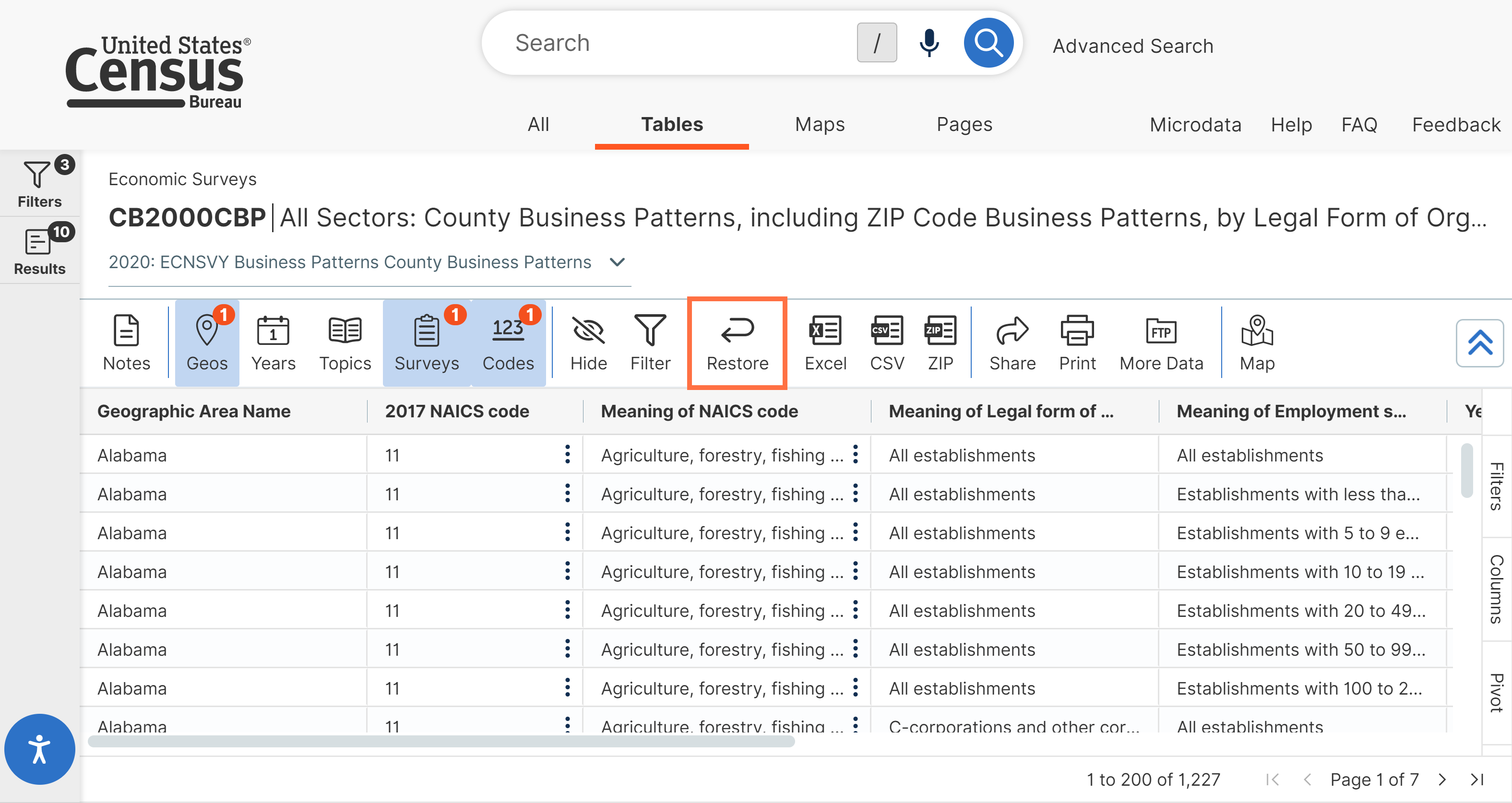
The final step in the census process is data dissemination. This involves sharing the census data with various stakeholders, including government agencies, researchers, and the general public. The data is often made available through online portals, where users can access detailed reports and interactive maps. This transparency ensures that the data is used effectively to inform policy decisions and improve the lives of citizens.
Impact of the Census on Society
The data collected through a census has far-reaching implications for society. It influences a wide range of sectors, from education and healthcare to infrastructure and economic development. Here are some key areas where the census has a significant impact:
Education
Census data is crucial for planning and funding educational programs. It helps identify areas with high concentrations of school-aged children, allowing for the allocation of resources to build new schools or expand existing ones. Additionally, the data can inform curriculum development and teacher training programs to better meet the needs of diverse student populations.
Healthcare
In the healthcare sector, census data is used to assess the health needs of the population and allocate resources accordingly. It helps identify areas with high rates of chronic diseases, limited access to healthcare services, and other health disparities. This information is essential for developing targeted health programs and improving overall public health outcomes.
Infrastructure
Census data plays a vital role in infrastructure planning and development. It provides insights into population growth and distribution, helping policymakers decide where to build new roads, bridges, and public transportation systems. This ensures that infrastructure projects are aligned with the needs of the population, promoting economic growth and improving quality of life.
Economic Development
For economic development, census data is invaluable for understanding the labor market and identifying opportunities for growth. It helps businesses make informed decisions about where to locate their operations, invest in new projects, and create jobs. Additionally, the data can inform workforce development programs, ensuring that the skills and training available match the needs of the job market.
Political Representation
One of the most significant impacts of the census is on political representation. In many countries, census data is used to determine the number of seats each region has in the legislature. This ensures that all citizens are fairly represented in the political process and that their voices are heard in decision-making.
Challenges and Controversies
While the census is a vital tool for society, it is not without its challenges and controversies. Some of the key issues include:
Undercounting and Overcounting
Ensuring an accurate count of the population is a significant challenge. Undercounting can occur when certain groups, such as marginalized communities or undocumented immigrants, are reluctant to participate in the census. Overcounting can happen due to errors in data collection or duplication of records. These inaccuracies can lead to misallocation of resources and unfair representation.
Privacy Concerns
Privacy is a major concern for many individuals participating in the census. There are fears that personal information could be misused or accessed by unauthorized parties. To address these concerns, census agencies implement strict privacy protocols and ensure that data is anonymized before it is shared with the public.
Funding and Resources
Conducting a census is a costly and resource-intensive process. Ensuring adequate funding and resources is crucial for the success of the census. Inadequate funding can lead to delays, errors, and incomplete data, which can undermine the reliability of the census results.
Political Interference
Political interference can also pose a challenge to the census process. There have been instances where political pressures have influenced the design and implementation of the census, leading to biased or incomplete data. Ensuring the independence and integrity of the census process is essential for maintaining public trust and the accuracy of the data.
Future of the Census
The future of the census is likely to be shaped by advancements in technology and changing societal needs. Here are some trends and innovations that are expected to influence the census process:
Digital Transformation
The shift towards digital data collection is already underway, with many countries offering online and telephone options for completing the census. This trend is expected to continue, making the process more convenient and accessible for participants. However, it also raises concerns about digital divide, where individuals without access to technology may be left out.
Data Integration
Integrating census data with other sources of information, such as administrative records and surveys, can enhance the accuracy and comprehensiveness of the data. This approach allows for a more holistic understanding of the population and can inform more targeted policies and programs.
Real-Time Data Collection
Real-time data collection is another innovation that could revolutionize the census process. By collecting data continuously, rather than at fixed intervals, policymakers can respond more quickly to changing needs and trends. This approach requires robust data infrastructure and privacy safeguards to ensure the accuracy and security of the data.
Community Engagement
Engaging communities in the census process is crucial for ensuring accurate and comprehensive data. This involves building trust, addressing concerns, and encouraging participation. Community engagement can take various forms, including public awareness campaigns, partnerships with local organizations, and outreach to marginalized groups.
In conclusion, the census is a fundamental tool for understanding and addressing the needs of society. It provides a comprehensive snapshot of the population, informing policy decisions, resource allocation, and infrastructure development. While challenges and controversies exist, the benefits of an accurate and inclusive census far outweigh the costs. As technology and societal needs evolve, the census will continue to adapt, ensuring that it remains a vital resource for generations to come.
Related Terms:
- what is a census survey
- what is a census stats
- what is a census uk
- what is a survey
- what is a census bureau
- census definition