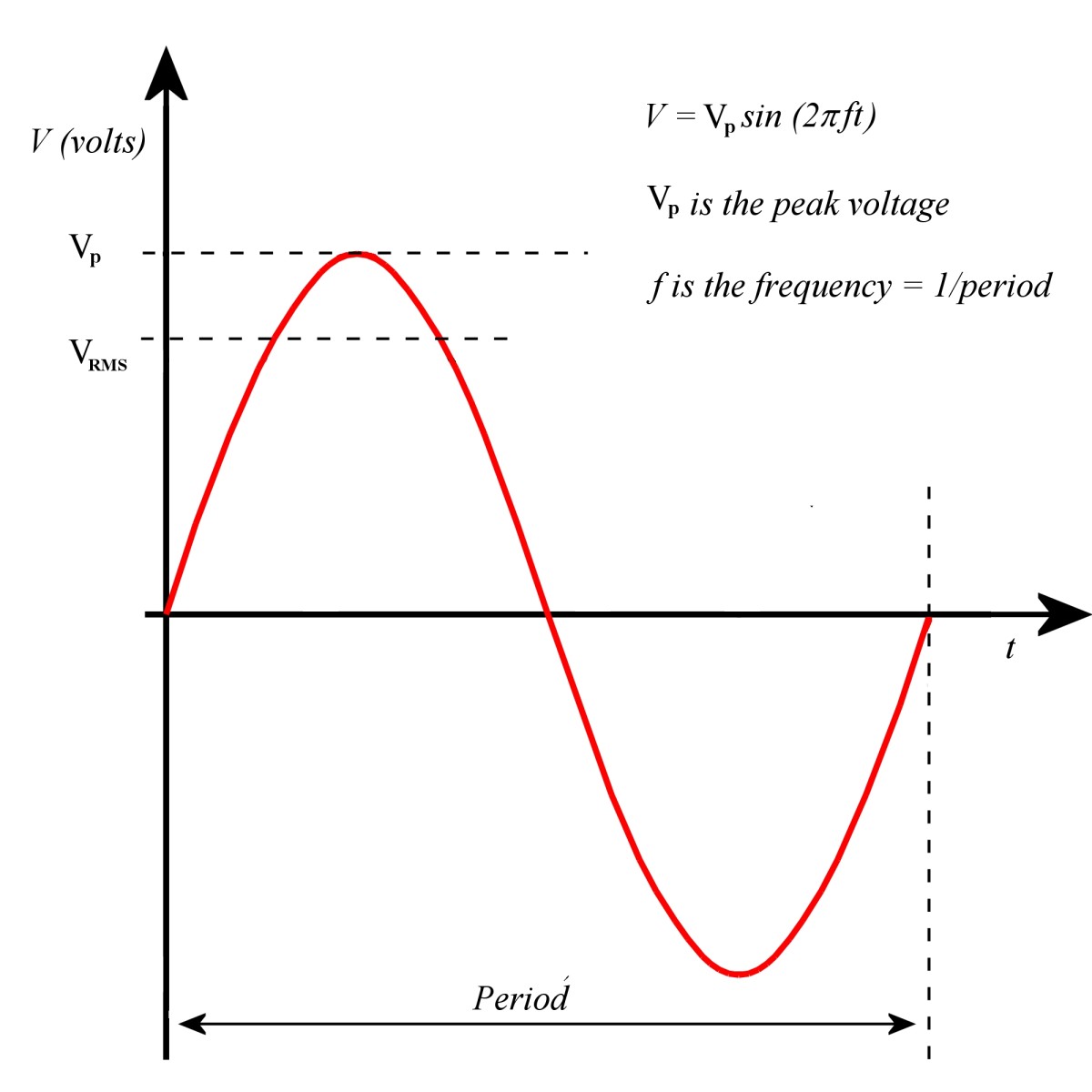
Understanding the difference between Watts vs Volts is crucial for anyone working with electrical systems, whether you're a hobbyist, a professional electrician, or simply someone interested in how electrical devices function. These two units of measurement are fundamental to electricity, but they serve different purposes and are often confused. This post will delve into the distinctions between Watts and Volts, explaining their roles in electrical circuits and providing practical examples to illustrate their applications.
What are Volts?
Volts, named after the Italian physicist Alessandro Volta, are a unit of measurement for electrical potential difference, also known as voltage. Voltage is the force that drives electric current through a circuit. It is analogous to the pressure in a water pipe; the higher the voltage, the greater the force pushing the electrons through the circuit.
Voltage is measured using a voltmeter, and it is essential for determining the power requirements of electrical devices. For example, a typical household outlet in the United States provides 120 volts, while in Europe, it is often 230 volts. Understanding the voltage requirements of your devices is crucial for ensuring they operate safely and efficiently.
What are Watts?
Watts, named after the Scottish engineer James Watt, are a unit of measurement for power. Power is the rate at which electrical energy is transferred or converted. In simpler terms, Watts measure how much work an electrical device can do. For instance, a 100-watt light bulb consumes 100 watts of power per hour.
Power (Watts) is calculated by multiplying the voltage (Volts) by the current (Amperes). The formula is:
Power (W) = Voltage (V) × Current (A)
This relationship is fundamental in electrical engineering and is often used to design and troubleshoot electrical systems.
Watts vs Volts: Key Differences
While both Watts and Volts are essential in electrical systems, they measure different aspects of electricity. Here are the key differences:
- Measurement: Volts measure electrical potential difference, while Watts measure power.
- Role in Circuits: Volts drive the current through a circuit, while Watts indicate the rate at which energy is used.
- Formula Relationship: Watts are calculated by multiplying Volts by Amperes (W = V × A).
- Practical Application: Volts are used to determine the compatibility of devices with power sources, while Watts are used to understand energy consumption.
Practical Examples of Watts vs Volts
To better understand the difference between Watts and Volts, let’s look at some practical examples:
Household Appliances
Consider a typical household appliance, such as a toaster. The toaster might be rated at 1200 watts and designed to operate on a 120-volt circuit. This means the toaster will draw approximately 10 amperes of current (1200 W / 120 V = 10 A). Understanding both the voltage and wattage is crucial for ensuring the toaster operates safely and efficiently.
Battery-Powered Devices
For battery-powered devices, such as a smartphone, the battery voltage is typically around 3.7 volts. The power consumption of the device can vary depending on its usage, but it is usually measured in watts. For example, a smartphone might consume 5 watts while charging. This information is essential for designing efficient charging systems and understanding battery life.
Automotive Electrical Systems
In automotive electrical systems, the battery voltage is usually 12 volts. The power requirements of various components, such as headlights, air conditioning, and the stereo system, are measured in watts. For instance, a car’s headlights might consume 55 watts each. Understanding the power requirements of these components is crucial for designing an efficient electrical system and ensuring the battery can provide the necessary power.
Importance of Understanding Watts vs Volts
Understanding the difference between Watts and Volts is essential for several reasons:
- Safety: Knowing the voltage requirements of your devices ensures they are connected to the correct power source, preventing electrical hazards.
- Efficiency: Understanding power consumption (Watts) helps in designing energy-efficient systems and reducing electricity costs.
- Compatibility: Ensuring that devices are compatible with the available power sources prevents damage to equipment and potential safety risks.
- Troubleshooting: Knowing the difference between Watts and Volts aids in diagnosing and fixing electrical problems.
For example, if you connect a device rated for 240 volts to a 120-volt outlet, it will not function correctly and could be damaged. Similarly, if you use a device that consumes more power (Watts) than the circuit can handle, it could cause a circuit breaker to trip or even start a fire.
Calculating Watts and Volts
To calculate Watts and Volts, you need to understand the relationship between power, voltage, and current. Here are the formulas you need:
Power (W) = Voltage (V) × Current (A)
Voltage (V) = Power (W) / Current (A)
Current (A) = Power (W) / Voltage (V)
Let's look at an example to illustrate how these formulas are used:
Suppose you have a device that consumes 60 watts of power and operates on a 12-volt circuit. To find the current drawn by the device, you would use the formula:
Current (A) = Power (W) / Voltage (V)
Current (A) = 60 W / 12 V = 5 A
This means the device draws 5 amperes of current. Understanding these calculations is essential for designing and troubleshooting electrical systems.
💡 Note: Always double-check your calculations to ensure accuracy and safety.
Common Misconceptions About Watts vs Volts
There are several common misconceptions about Watts and Volts that can lead to confusion and potential hazards. Here are a few to be aware of:
- Misconception 1: Higher voltage always means higher power. This is not true; power depends on both voltage and current. A device with higher voltage but lower current might consume less power than a device with lower voltage but higher current.
- Misconception 2: Watts and Volts are interchangeable. They are not; Watts measure power, while Volts measure electrical potential difference.
- Misconception 3: All devices can operate on any voltage. This is incorrect; devices are designed to operate within specific voltage ranges. Using the wrong voltage can damage the device or cause safety hazards.
Understanding these misconceptions can help you avoid common pitfalls and ensure the safe and efficient operation of your electrical systems.
Conclusion
In summary, understanding the difference between Watts vs Volts is fundamental to working with electrical systems. Volts measure electrical potential difference and drive the current through a circuit, while Watts measure power and indicate the rate at which energy is used. Knowing the distinctions between these two units is crucial for ensuring safety, efficiency, compatibility, and effective troubleshooting. By grasping the concepts of Watts and Volts, you can design and maintain electrical systems that operate safely and efficiently, whether you’re working with household appliances, battery-powered devices, or automotive electrical systems.
Related Terms:
- watts vs volts chart
- watts vs volts formula
- volt vs watt meaning
- difference of watts and volts
- watts vs volts amps ohms
- watts vs volts and amps