Understanding the principles of classical conditioning is fundamental to grasping how behaviors and responses are shaped. At the heart of this psychological concept lies the idea of an unconditioned stimulus examples, which play a crucial role in the conditioning process. This post delves into the intricacies of unconditioned stimuli, providing a comprehensive overview of what they are, how they function, and their significance in various contexts.
What is an Unconditioned Stimulus?
An unconditioned stimulus (US) is a stimulus that naturally triggers a response without any prior learning or conditioning. This response is known as an unconditioned response (UR). The key characteristic of an unconditioned stimulus is that it elicits a reflexive or automatic reaction. For instance, the smell of food is an unconditioned stimulus that naturally triggers salivation, an unconditioned response.
Understanding Unconditioned Stimulus Examples
To better comprehend the concept of unconditioned stimuli, let’s explore some common unconditioned stimulus examples. These examples illustrate how certain stimuli naturally evoke specific responses:
- Food and Salivation: The sight or smell of food is an unconditioned stimulus that triggers salivation. This is a natural response that does not require any prior learning.
- Pain and Withdrawal: Experiencing pain, such as touching a hot surface, is an unconditioned stimulus that naturally causes a withdrawal response to avoid further harm.
- Loud Noise and Startle Response: A sudden loud noise is an unconditioned stimulus that elicits a startle response, characterized by a sudden jump or flinch.
- Sexual Stimuli and Arousal: Sexual stimuli, such as visual or tactile cues, are unconditioned stimuli that naturally trigger sexual arousal.
The Role of Unconditioned Stimuli in Classical Conditioning
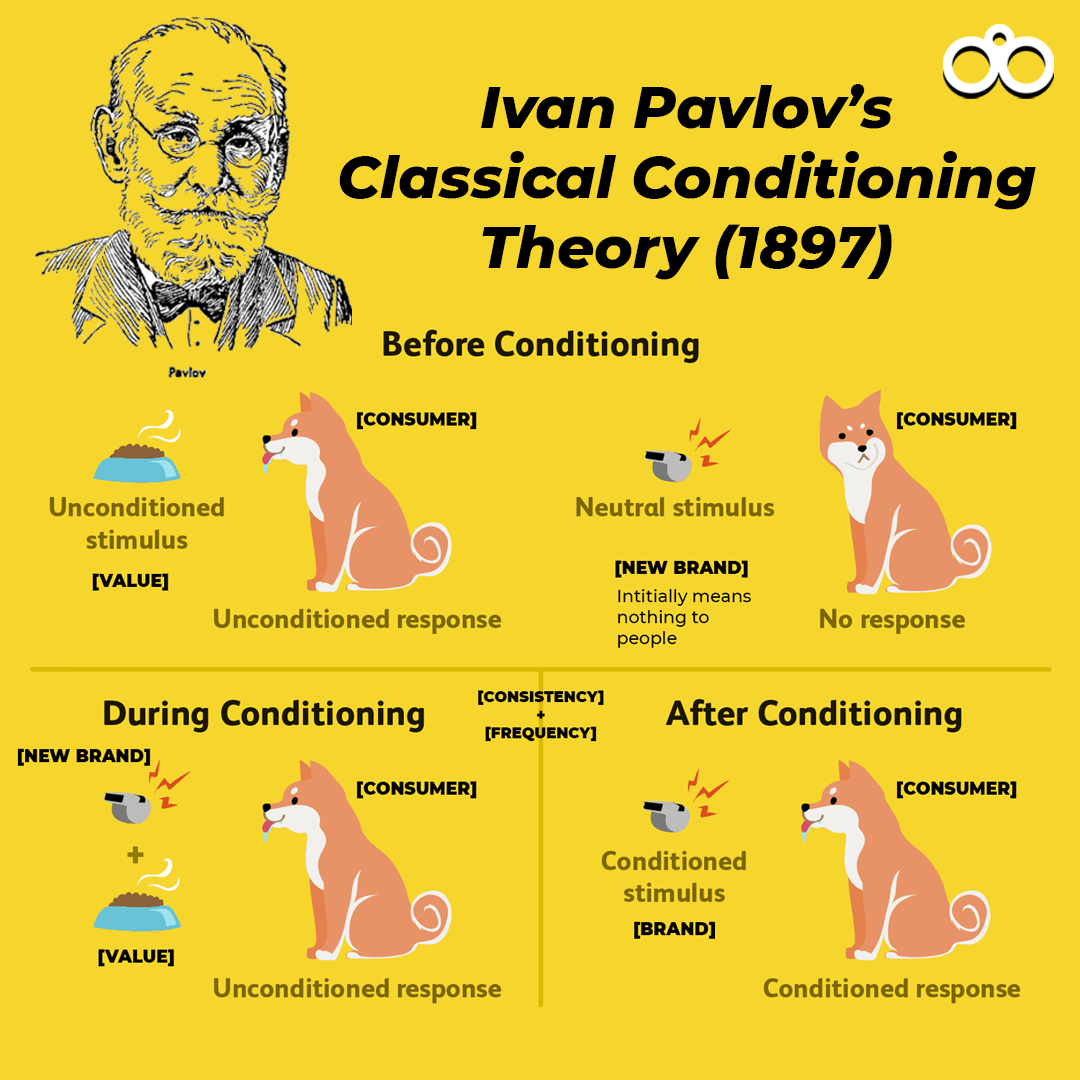
Classical conditioning, a learning process discovered by Ivan Pavlov, involves pairing an unconditioned stimulus with a neutral stimulus to create a conditioned response. Here’s how it works:
- Unconditioned Stimulus (US): A stimulus that naturally triggers a response.
- Unconditioned Response (UR): The natural response to the unconditioned stimulus.
- Neutral Stimulus (NS): A stimulus that does not initially trigger a response.
- Conditioned Stimulus (CS): The neutral stimulus that, after pairing with the unconditioned stimulus, triggers a conditioned response.
- Conditioned Response (CR): The learned response to the conditioned stimulus.
For example, in Pavlov’s famous experiment, the sound of a bell (neutral stimulus) was paired with the presentation of food (unconditioned stimulus). Over time, the dogs learned to salivate (conditioned response) in response to the bell (conditioned stimulus) alone.
Real-World Applications of Unconditioned Stimuli
Understanding unconditioned stimulus examples and their role in classical conditioning has numerous practical applications across various fields:
- Psychotherapy: Therapists use classical conditioning to help patients overcome phobias and anxieties. By gradually exposing patients to unconditioned stimuli in a controlled environment, therapists can help them develop new, healthier responses.
- Marketing and Advertising: Advertisers often use unconditioned stimuli to create positive associations with their products. For example, pairing a pleasant scent (unconditioned stimulus) with a brand (neutral stimulus) can create a positive emotional response (conditioned response) towards the brand.
- Education: Educators can use classical conditioning to enhance learning. By associating new information with familiar, positive stimuli, educators can make learning more effective and enjoyable.
The Science Behind Unconditioned Stimuli
The science behind unconditioned stimuli involves complex neural pathways and physiological responses. When an unconditioned stimulus is presented, it activates specific neurons in the brain, triggering a cascade of chemical and electrical signals that result in the unconditioned response. For example, the sight or smell of food activates the olfactory and visual systems, which then signal the brain to initiate salivation.
Common Misconceptions About Unconditioned Stimuli
There are several misconceptions surrounding unconditioned stimuli that can hinder a clear understanding of their role in classical conditioning:
- Misconception 1: All Stimuli Can Be Conditioned: Not all stimuli can be conditioned. Unconditioned stimuli are inherently capable of eliciting a response, while neutral stimuli require pairing with an unconditioned stimulus to become conditioned.
- Misconception 2: Conditioned Responses Are Always Voluntary: Conditioned responses can be both voluntary and involuntary. For example, salivation in response to the sight of food is an involuntary response, while a learned fear response to a previously neutral stimulus can be both voluntary and involuntary.
- Misconception 3: Unconditioned Stimuli Are Always Positive: Unconditioned stimuli can be both positive and negative. Positive unconditioned stimuli, such as food or pleasant scents, elicit positive responses, while negative unconditioned stimuli, such as pain or loud noises, elicit negative responses.
💡 Note: It's important to recognize that while unconditioned stimuli are inherently capable of eliciting a response, the context and individual differences can influence the strength and nature of the response.
Ethical Considerations in the Use of Unconditioned Stimuli
The use of unconditioned stimuli in various applications raises ethical considerations that must be carefully addressed:
- Informed Consent: Individuals should be fully informed about the use of unconditioned stimuli and their potential effects before participating in any conditioning process.
- Minimizing Harm: Efforts should be made to minimize any potential harm or discomfort associated with the use of unconditioned stimuli, especially in therapeutic and educational settings.
- Respect for Autonomy: Individuals should have the right to withdraw from any conditioning process at any time, ensuring their autonomy and well-being are respected.
In conclusion, understanding unconditioned stimulus examples and their role in classical conditioning provides valuable insights into how behaviors and responses are shaped. From psychological therapy to marketing and education, the principles of unconditioned stimuli have wide-ranging applications. By recognizing the science behind these stimuli and addressing ethical considerations, we can harness their power to create positive and meaningful changes in various aspects of life.
Related Terms:
- unconditioned stimulus definition psychology
- unconditioned stimulus
- unconditional stimuli
- neutral stimulus examples
- unconditioned response definition
- neutral stimulus