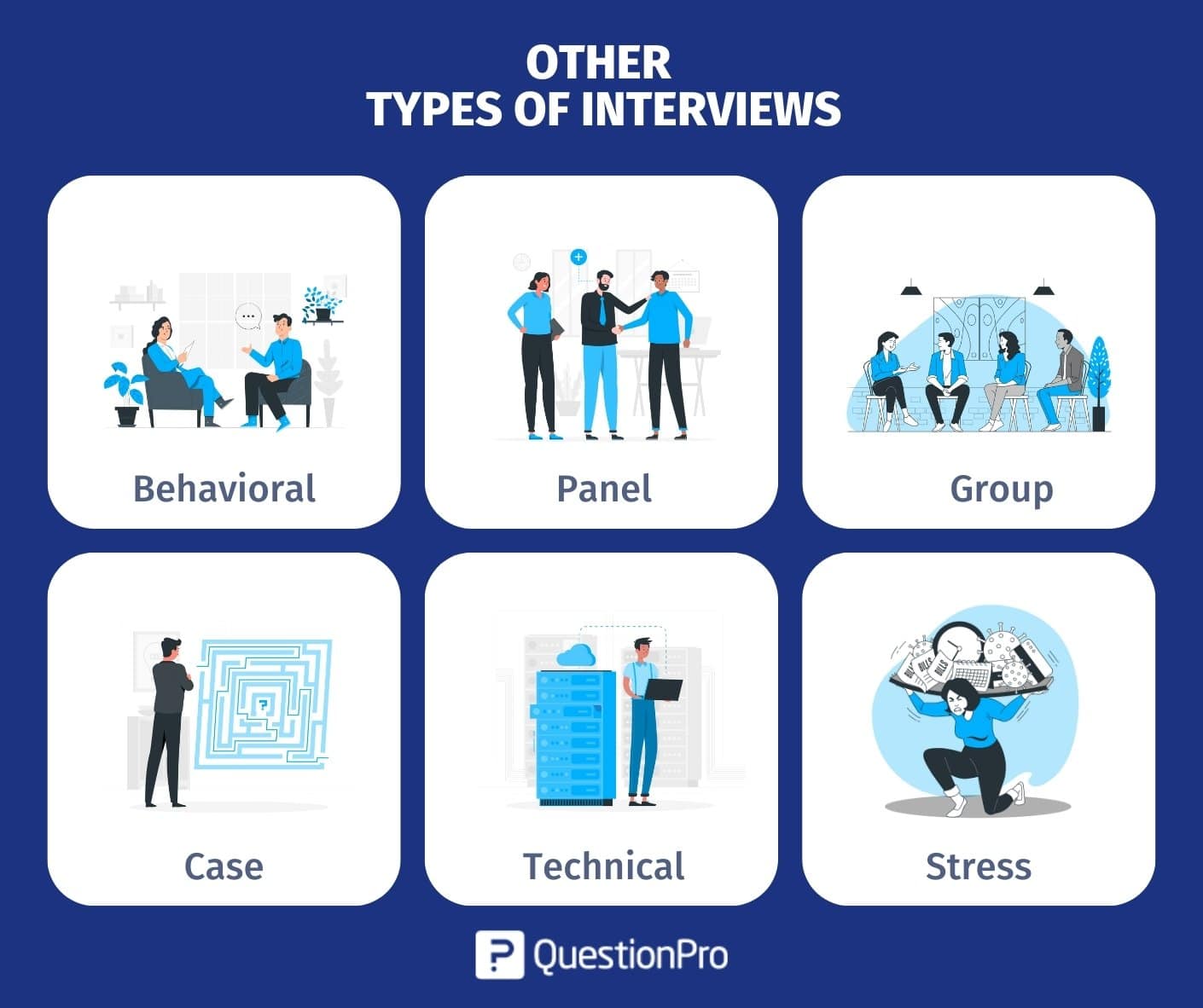
Navigating the job market can be a daunting task, especially when it comes to understanding the various types of interviews you might encounter. Each type serves a unique purpose and requires different preparation strategies. Whether you're a fresh graduate or an experienced professional, knowing what to expect can significantly enhance your chances of success. This guide will walk you through the most common types of interviews, providing insights into their formats, purposes, and tips for acing them.
Understanding the Purpose of Different Types of Interviews
Before diving into the specifics, it's essential to understand why companies use different types of interviews. Each format is designed to assess different skills and qualities. For instance, a technical interview will focus on your problem-solving abilities and knowledge of specific tools or languages, while a behavioral interview will evaluate your soft skills and cultural fit.
Structured vs. Unstructured Interviews
One of the fundamental distinctions in types of interviews is between structured and unstructured interviews.
Structured Interviews
Structured interviews follow a predefined set of questions and a consistent format. This approach ensures that all candidates are evaluated on the same criteria, making the process more objective and fair.
- Pros: Consistency, objectivity, and ease of comparison between candidates.
- Cons: Can feel rigid and less personal.
Unstructured Interviews
Unstructured interviews are more conversational and flexible. The interviewer may ask a variety of questions based on the candidate's responses, allowing for a more dynamic interaction.
- Pros: Flexibility, personal touch, and the ability to delve deeper into specific areas.
- Cons: Lack of consistency and potential for bias.
Common Types of Interviews
Let's explore the most common types of interviews you might encounter during your job search.
Phone or Video Interviews
Phone or video interviews are often the first step in the hiring process. They allow employers to screen candidates quickly and efficiently.
- Purpose: Initial screening to assess basic qualifications and communication skills.
- Tips:
- Choose a quiet, well-lit location.
- Dress professionally, even if it's a phone interview.
- Have your resume and notes nearby.
Technical Interviews
Technical interviews are crucial for roles that require specific technical skills. These interviews often include coding challenges, system design questions, or problem-solving exercises.
- Purpose: To evaluate your technical proficiency and problem-solving abilities.
- Tips:
- Brush up on your technical skills and review common interview questions.
- Practice coding challenges on platforms like LeetCode or HackerRank.
- Be prepared to explain your thought process clearly.
Behavioral Interviews
Behavioral interviews focus on your past experiences and how you handled specific situations. These interviews often use the STAR method (Situation, Task, Action, Result) to structure responses.
- Purpose: To assess your soft skills, problem-solving abilities, and cultural fit.
- Tips:
- Prepare examples from your past experiences that demonstrate key competencies.
- Use the STAR method to structure your responses.
- Be honest and specific in your answers.
Case Interviews
Case interviews are common in consulting and management roles. They involve solving a business problem or case study, often within a set time frame.
- Purpose: To evaluate your analytical skills, problem-solving abilities, and business acumen.
- Tips:
- Practice with sample case studies.
- Focus on structuring your approach and communicating your thought process clearly.
- Ask clarifying questions to ensure you understand the problem.
Panel Interviews
Panel interviews involve multiple interviewers who ask questions and evaluate your responses. This format is common for senior roles or positions that require interaction with various stakeholders.
- Purpose: To assess your ability to handle pressure, communicate effectively, and interact with different personalities.
- Tips:
- Address each panel member by name if possible.
- Maintain eye contact with all panel members.
- Be prepared for a more intense and structured interview.
Group Interviews
Group interviews involve multiple candidates who are evaluated together. This format is often used to assess teamwork, communication, and leadership skills.
- Purpose: To evaluate your ability to work in a team, communicate effectively, and stand out among peers.
- Tips:
- Be an active participant but avoid dominating the conversation.
- Listen carefully to others and build on their ideas.
- Showcase your leadership and teamwork skills.
Situational Interviews
Situational interviews present hypothetical scenarios and ask how you would handle them. This format is used to assess your problem-solving skills and decision-making abilities.
- Purpose: To evaluate your ability to think on your feet and make sound decisions.
- Tips:
- Prepare for common scenarios related to the role.
- Use the STAR method to structure your responses.
- Be specific and provide examples if possible.
Stress Interviews
Stress interviews are designed to put you under pressure to see how you handle stressful situations. These interviews can be challenging and may involve aggressive questioning or time constraints.
- Purpose: To assess your ability to handle pressure and maintain composure.
- Tips:
- Stay calm and composed.
- Take a moment to think before responding.
- Focus on your strengths and remain positive.
Preparing for Different Types of Interviews
Preparation is key to acing any type of interview. Here are some general tips to help you get ready:
- Research the Company: Understand the company's mission, values, and culture. This will help you tailor your responses and show that you're a good fit.
- Practice Common Questions: Prepare answers for common interview questions related to the role and type of interview.
- Mock Interviews: Conduct mock interviews with friends, family, or career counselors to build confidence and get feedback.
- Dress Appropriately: Dress professionally and appropriately for the role and company culture.
- Bring Necessary Documents: Bring copies of your resume, references, and any other relevant documents.
📝 Note: Tailor your preparation to the specific type of interview you're facing. For example, focus on technical skills for a technical interview or practice case studies for a case interview.
Handling Different Types of Interview Questions
Different types of interviews require different approaches to handling questions. Here are some strategies for common question types:
Open-Ended Questions
Open-ended questions allow for more detailed responses and are often used in behavioral and situational interviews.
- Example: "Can you describe a time when you had to manage a difficult team member?"
- Tips:
- Use the STAR method to structure your response.
- Provide specific examples and details.
- Highlight the outcome and what you learned.
Closed-Ended Questions
Closed-ended questions require a simple yes or no answer but can be followed up with more detailed questions.
- Example: "Do you have experience with project management tools?"
- Tips:
- Answer honestly and concisely.
- Be prepared to elaborate if asked.
- Provide examples if relevant.
Behavioral Questions
Behavioral questions focus on your past experiences and how you handled specific situations.
- Example: "Tell me about a time when you had to meet a tight deadline."
- Tips:
- Use the STAR method to structure your response.
- Be specific and provide details.
- Highlight the outcome and what you learned.
Technical Questions
Technical questions assess your knowledge and skills in a specific area.
- Example: "Can you explain the difference between a stack and a queue?"
- Tips:
- Be clear and concise in your explanation.
- Use examples if necessary.
- Show your thought process and problem-solving skills.
Situational Questions
Situational questions present hypothetical scenarios and ask how you would handle them.
- Example: "How would you handle a situation where a team member is not pulling their weight?"
- Tips:
- Use the STAR method to structure your response.
- Be specific and provide details.
- Highlight the outcome and what you learned.
Common Mistakes to Avoid in Different Types of Interviews
Avoiding common mistakes can significantly improve your chances of success in any type of interview. Here are some pitfalls to watch out for:
- Lack of Preparation: Not researching the company or role can make you appear unprepared and uninterested.
- Poor Communication: Rambling, being too vague, or not listening to the interviewer can negatively impact your performance.
- Negative Attitude: Complaining about past employers or colleagues can make you seem difficult to work with.
- Lack of Enthusiasm: Showing a lack of interest or enthusiasm for the role can make you seem unmotivated.
- Not Asking Questions: Failing to ask thoughtful questions about the role or company can indicate a lack of interest or preparation.
📝 Note: Tailor your responses to the specific type of interview and avoid generic answers. Be genuine and authentic in your responses.
Conclusion
Navigating the various types of interviews can be challenging, but with the right preparation and strategies, you can excel in any format. Understanding the purpose of each type of interview and tailoring your responses accordingly will help you showcase your skills and qualities effectively. Whether you’re facing a technical interview, a behavioral interview, or any other format, remember to stay calm, be prepared, and showcase your best self. Good luck with your job search!
Related Terms:
- structured interview types
- types of interviews in research
- types of interviews sociology
- job interview types
- types of interviews examples
- five types of interviews