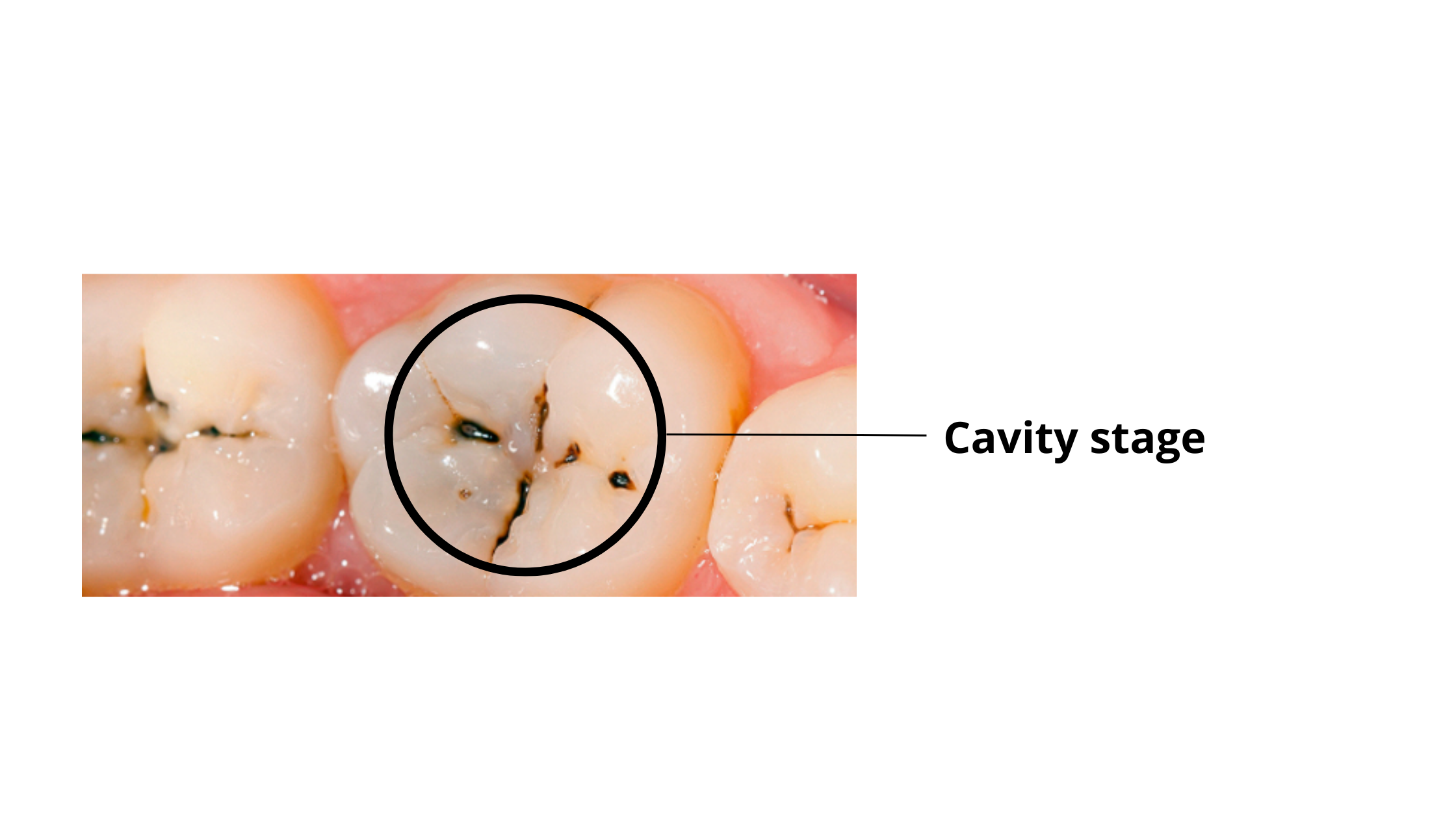
Dental health is a critical aspect of overall well-being, and understanding the various types of cavities is essential for maintaining good oral hygiene. Cavities, also known as dental caries, are areas of decay on the surface of teeth. They occur when bacteria in the mouth produce acids that erode the tooth enamel. This process can lead to significant dental issues if left untreated. By recognizing the different types of cavities and their causes, individuals can take proactive steps to prevent and treat them effectively.
Understanding Dental Cavities
Dental cavities are caused by a combination of factors, including poor oral hygiene, a diet high in sugars and starches, and the presence of certain bacteria in the mouth. The most common bacteria involved in cavity formation are Streptococcus mutans and Lactobacillus. These bacteria feed on sugars and produce acids that dissolve the tooth enamel, leading to decay.
Types of Cavities
Cavities can be classified into several types based on their location and severity. Understanding these types can help in identifying and treating them more effectively.
Pit and Fissure Cavities
Pit and fissure cavities are the most common type and occur on the chewing surfaces of the back teeth (molars and premolars). These surfaces have deep grooves and pits that can trap food particles and bacteria, making them difficult to clean. Over time, the acids produced by bacteria can erode the enamel, leading to decay.
Smooth Surface Cavities
Smooth surface cavities occur on the flat surfaces of the teeth, such as the sides and fronts. These cavities are less common than pit and fissure cavities but can still cause significant damage if left untreated. They often develop along the gum line and can be more challenging to detect during routine dental check-ups.
Root Cavities
Root cavities form on the roots of the teeth, typically below the gum line. They are more common in older adults and individuals with gum disease, as the recession of the gums exposes the root surfaces. The roots of the teeth are covered by cementum, a softer material than enamel, making them more susceptible to decay.
Recurrent Cavities
Recurrent cavities, also known as secondary caries, occur around existing dental restorations such as fillings or crowns. These cavities can develop due to poor oral hygiene, inadequate sealing of the restoration, or the presence of bacteria around the restoration. Regular dental check-ups and proper oral care can help prevent recurrent cavities.
Symptoms of Dental Cavities
The symptoms of dental cavities can vary depending on the severity and location of the decay. Common symptoms include:
- Toothache or spontaneous pain
- Sensitivity to hot, cold, or sweet foods and drinks
- Visible holes or pits in the teeth
- Brown, black, or white stains on the tooth surface
- Pain when biting down or chewing
In some cases, cavities may not cause any symptoms, especially in the early stages. Regular dental check-ups are essential for detecting cavities before they become more severe.
Preventing Dental Cavities
Preventing dental cavities involves a combination of good oral hygiene practices and regular dental care. Here are some effective strategies for preventing cavities:
- Brush your teeth at least twice a day with a fluoride toothpaste.
- Floss daily to remove plaque and food particles from between the teeth.
- Limit your intake of sugary and starchy foods and drinks.
- Drink plenty of water to help rinse away food particles and bacteria.
- Visit your dentist regularly for check-ups and cleanings.
- Consider using a mouthwash that contains fluoride to help strengthen tooth enamel.
Treating Dental Cavities
The treatment for dental cavities depends on the severity and location of the decay. Early-stage cavities can often be treated with fluoride applications or dental sealants. More advanced cavities may require fillings, crowns, or root canal therapy. In severe cases, tooth extraction may be necessary.
Fluoride Treatments
Fluoride treatments are a common method for preventing and treating early-stage cavities. Fluoride helps to strengthen tooth enamel and make it more resistant to acid attacks. Fluoride treatments can be applied in the form of gels, varnishes, or foams during a dental visit. Regular use of fluoride toothpaste and mouthwash can also provide additional protection.
Dental Sealants
Dental sealants are thin, protective coatings applied to the chewing surfaces of the back teeth. They help to prevent food particles and bacteria from getting trapped in the pits and fissures, reducing the risk of cavities. Sealants are typically recommended for children and teenagers but can be beneficial for adults as well.
Fillings
Fillings are used to restore teeth that have been damaged by cavities. The decayed portion of the tooth is removed, and the cavity is filled with a material such as composite resin, amalgam, or gold. Fillings help to restore the tooth’s structure and function while preventing further decay.
Crowns
Crowns are used to cover and protect teeth that have been severely damaged by cavities. A crown is a custom-made cap that fits over the entire tooth, providing strength and support. Crowns can be made from various materials, including porcelain, metal, or a combination of both.
Root Canal Therapy
Root canal therapy is a procedure used to treat cavities that have reached the pulp of the tooth. The pulp contains nerves and blood vessels, and infection can cause severe pain and swelling. During a root canal, the infected pulp is removed, and the inside of the tooth is cleaned and sealed. A crown is often placed over the tooth to provide additional protection.
Tooth Extraction
In severe cases, tooth extraction may be necessary to remove a tooth that has been extensively damaged by cavities. Extraction is typically a last resort and is only recommended when other treatment options are not viable. After extraction, the gap can be filled with a dental implant, bridge, or denture.
💡 Note: Regular dental check-ups are crucial for early detection and treatment of cavities. Early intervention can prevent more extensive and costly dental procedures.
Dental cavities are a common but preventable oral health issue. By understanding the different types of cavities and their causes, individuals can take proactive steps to maintain good oral hygiene and seek timely treatment. Regular dental check-ups, proper oral care, and a balanced diet are essential for preventing cavities and maintaining overall dental health.
Related Terms:
- cavity severity chart
- all types of cavities
- five classes of cavity
- different types of cavities
- different types of cavities teeth
- 3 types of cavities dental