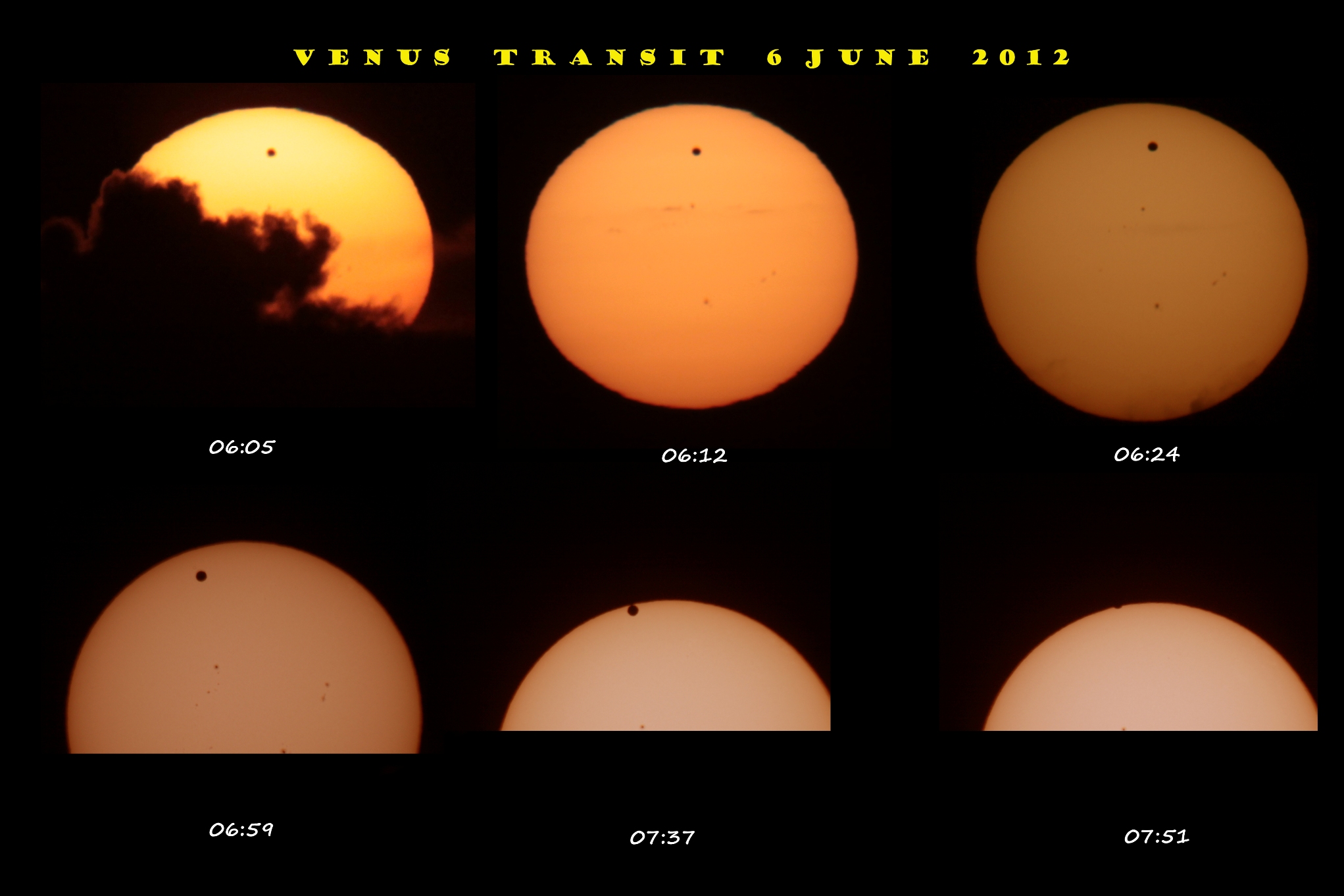
The Transit of Venus is a rare astronomical event that occurs when the planet Venus passes directly between the Sun and Earth, becoming visible against the solar disk. This phenomenon has captivated astronomers and enthusiasts alike for centuries, offering unique opportunities for scientific discovery and public engagement. Understanding the Transit of Venus involves delving into its historical significance, the science behind it, and its impact on modern astronomy.
Historical Significance of the Transit of Venus
The Transit of Venus has played a crucial role in the history of astronomy. One of the most notable events occurred in the 18th century when astronomers used the transit to measure the distance between Earth and the Sun, a value known as the astronomical unit (AU). This measurement was vital for understanding the scale of the solar system.
In 1761 and 1769, expeditions were sent to various parts of the world to observe the transit. These observations were used to calculate the parallax of Venus, which in turn helped determine the AU. The efforts of astronomers like Edmond Halley and Guillaume Le Gentil were instrumental in these endeavors, showcasing the collaborative nature of scientific discovery.
The Science Behind the Transit of Venus
The Transit of Venus occurs in pairs, with each pair separated by over a century. The last pair of transits occurred in 2004 and 2012. The next pair will not occur until 2117 and 2125. This rarity is due to the specific alignment of Venus, Earth, and the Sun, which must occur at the nodes of Venus's orbit.
During a transit, Venus appears as a small, dark disk moving across the face of the Sun. The event can be observed using specialized solar filters or telescopes equipped with solar filters. It is crucial to use proper eye protection, as viewing the Sun directly can cause permanent eye damage.
Key points to understand about the Transit of Venus include:
- The duration of the transit can vary, typically lasting around six hours.
- The transit occurs in a predictable pattern, with the next pair of transits occurring in 2117 and 2125.
- The event provides valuable data for studying Venus's atmosphere and the Sun's corona.
Observing the Transit of Venus
Observing the Transit of Venus requires careful planning and the right equipment. Here are some steps to ensure a safe and successful observation:
1. Choose the Right Equipment: Use a telescope or binoculars equipped with solar filters. These filters are designed to block harmful UV and infrared radiation.
2. Find a Suitable Location: Select a location with a clear view of the Sun. Avoid areas with tall buildings or trees that may obstruct your view.
3. Set Up Your Equipment: Position your telescope or binoculars on a stable tripod. Ensure the solar filter is securely attached.
4. Align with the Sun: Use the shadow of the telescope or binoculars to align with the Sun. Once aligned, you should see the Sun's disk clearly.
5. Observe Safely: Never look directly at the Sun without proper protection. Use the solar filter to observe the transit safely.
🔍 Note: Always prioritize safety when observing the Sun. Improper viewing can cause permanent eye damage.
Impact on Modern Astronomy
The Transit of Venus continues to be a subject of interest for modern astronomers. While the event is no longer used to measure the AU, it provides valuable data for studying Venus's atmosphere and the Sun's corona. During the transit, the light from the Sun passes through Venus's atmosphere, allowing scientists to analyze its composition.
Additionally, the transit offers an opportunity to engage the public in astronomy. Educational institutions and observatories often host viewing events, providing a chance for people to witness this rare phenomenon and learn about astronomy.
Some key impacts of the Transit of Venus on modern astronomy include:
- Studying Venus's atmosphere and composition.
- Analyzing the Sun's corona and solar activity.
- Engaging the public in astronomy and scientific discovery.
Future Transits of Venus
The next pair of Transit of Venus events will occur in 2117 and 2125. While these events are far in the future, they offer exciting opportunities for future generations of astronomers. Advances in technology and scientific understanding will likely enhance our ability to study these transits and uncover new insights about Venus and the Sun.
Key dates for future transits include:
| Year | Date |
|---|---|
| 2117 | December 11 |
| 2125 | December 8 |
As we look forward to these future events, it is essential to continue supporting astronomical research and public engagement. The Transit of Venus serves as a reminder of the beauty and wonder of the cosmos, inspiring us to explore and understand our place in the universe.
In conclusion, the Transit of Venus is a fascinating and historically significant astronomical event. From its role in measuring the AU to its impact on modern astronomy, the transit offers valuable insights and opportunities for scientific discovery. Whether you are an experienced astronomer or a curious enthusiast, observing the Transit of Venus is an unforgettable experience that connects us to the wonders of the cosmos.