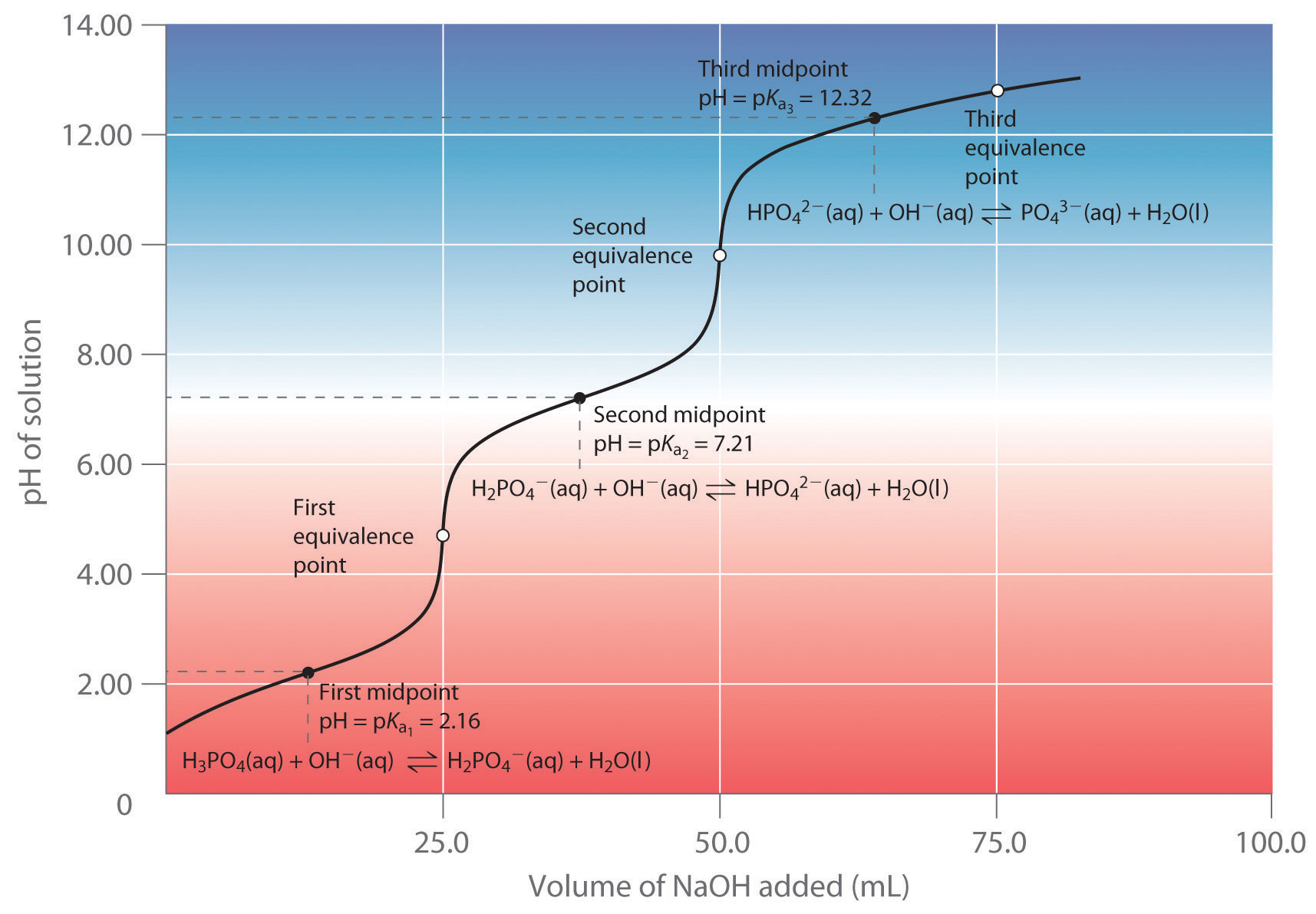
Titration is a fundamental technique in analytical chemistry used to determine the concentration of an unknown solution. The process involves adding a known concentration of a reagent, called the titrant, to the unknown solution until the reaction reaches the titration equivalence point. At this point, the amount of titrant added is chemically equivalent to the amount of analyte in the solution. Understanding and accurately identifying the equivalence point is crucial for precise and reliable analytical results.
Understanding Titration and Equivalence Point
Titration is based on the principle of a chemical reaction between the analyte and the titrant. The equivalence point is the stage at which the reaction is complete, and the moles of titrant added are equal to the moles of analyte present. This point is often indicated by a sudden change in a measurable property, such as pH, color, or electrical conductivity.
There are several types of titrations, including:
- Acid-base titrations
- Redox titrations
- Complexometric titrations
- Precipitation titrations
Each type has its own set of indicators and methods to determine the titration equivalence point.
Importance of the Equivalence Point
The titration equivalence point is a critical concept in analytical chemistry for several reasons:
- Accuracy: Identifying the equivalence point accurately ensures that the concentration of the analyte is determined precisely.
- Precision: Consistent identification of the equivalence point across multiple trials enhances the reliability of the results.
- Efficiency: Knowing the equivalence point helps in optimizing the amount of titrant used, reducing waste and cost.
Inaccurate determination of the equivalence point can lead to significant errors in the analysis, affecting the overall quality of the data.
Methods to Determine the Equivalence Point
Several methods can be used to determine the titration equivalence point. The choice of method depends on the type of titration and the properties of the solutions involved.
Indicator Methods
Indicators are substances that change color at or near the equivalence point. Common indicators include phenolphthalein, methyl orange, and bromothymol blue. These indicators are added to the solution being titrated, and the color change signals the approach to the equivalence point.
For example, in an acid-base titration, phenolphthalein changes from colorless to pink when the solution becomes basic, indicating the equivalence point has been reached.
pH Meter Methods
A pH meter provides a more precise measurement of the equivalence point by monitoring the pH of the solution throughout the titration. The pH meter plots the pH against the volume of titrant added, creating a titration curve. The equivalence point is identified as the point of maximum slope on the curve.
This method is particularly useful for titrations where the color change of an indicator is not distinct or when high precision is required.
Conductometric Methods
Conductometry measures the electrical conductivity of the solution. The conductivity changes as the titrant is added, and the equivalence point is identified by a significant change in conductivity. This method is often used in titrations involving electrolytes.
For example, in the titration of a strong acid with a strong base, the conductivity decreases as the ions are neutralized, reaching a minimum at the equivalence point.
Potentiometric Methods
Potentiometry involves measuring the potential difference between two electrodes immersed in the solution. The potential changes as the titrant is added, and the equivalence point is identified by a sharp change in potential. This method is highly accurate and is often used in redox titrations.
For example, in the titration of a solution containing iron(II) ions with potassium permanganate, the potential changes sharply at the equivalence point, indicating the complete oxidation of iron(II) to iron(III).
Factors Affecting the Equivalence Point
Several factors can affect the accuracy of determining the titration equivalence point. Understanding these factors is essential for obtaining reliable results.
Indicator Selection
The choice of indicator is crucial. An indicator that changes color sharply at the equivalence point will provide a more accurate result. For example, phenolphthalein is suitable for strong acid-strong base titrations, while methyl orange is better for weak acid-strong base titrations.
Solution Concentration
The concentration of the analyte and titrant solutions can affect the equivalence point. Highly concentrated solutions may require more precise measurements and indicators that change color over a narrow pH range.
Temperature
Temperature can influence the reaction rate and the solubility of the reactants, affecting the equivalence point. It is important to maintain a constant temperature throughout the titration.
Interfering Substances
The presence of interfering substances can affect the accuracy of the titration. These substances may react with the titrant or indicator, leading to incorrect results. Proper sample preparation and purification are essential to minimize interference.
Common Titration Techniques
Several common titration techniques are used in analytical chemistry, each with its own set of procedures and indicators.
Acid-Base Titrations
Acid-base titrations involve the neutralization of an acid with a base or vice versa. The equivalence point is identified by a sudden change in pH, which can be detected using indicators or a pH meter.
For example, in the titration of hydrochloric acid (HCl) with sodium hydroxide (NaOH), the equivalence point is reached when the pH of the solution is 7.0.
Redox Titrations
Redox titrations involve the transfer of electrons between the analyte and the titrant. The equivalence point is identified by a sharp change in potential, which can be detected using a potentiometer or by observing a color change with an indicator.
For example, in the titration of potassium permanganate (KMnO4) with oxalic acid (H2C2O4), the equivalence point is reached when the solution turns from purple to colorless.
Complexometric Titrations
Complexometric titrations involve the formation of a complex between the analyte and the titrant. The equivalence point is identified by a color change with an indicator or by a change in conductivity.
For example, in the titration of calcium ions (Ca2+) with ethylenediaminetetraacetic acid (EDTA), the equivalence point is reached when the solution turns from blue to red with the indicator Eriochrome Black T.
Precipitation Titrations
Precipitation titrations involve the formation of a precipitate between the analyte and the titrant. The equivalence point is identified by a sudden change in conductivity or by the appearance of a turbid solution.
For example, in the titration of silver ions (Ag+) with chloride ions (Cl-), the equivalence point is reached when the solution becomes turbid due to the formation of silver chloride (AgCl) precipitate.
Practical Tips for Accurate Titrations
To ensure accurate and reliable titration results, follow these practical tips:
- Calibrate Equipment: Regularly calibrate pH meters, conductivity meters, and other equipment to ensure accurate readings.
- Use Fresh Indicators: Indicators can degrade over time, so use fresh indicators for each titration.
- Rinse Equipment: Rinse all glassware and equipment with distilled water before use to remove any contaminants.
- Control Temperature: Maintain a constant temperature throughout the titration to minimize errors.
- Record Data: Keep detailed records of all measurements and observations to ensure reproducibility.
📝 Note: Always perform titrations in a well-ventilated area to avoid inhaling harmful fumes.
Titration is a versatile and powerful technique in analytical chemistry, widely used in various fields such as environmental monitoring, pharmaceuticals, and food analysis. Mastering the art of titration and accurately determining the titration equivalence point is essential for obtaining precise and reliable analytical results.
Titration involves the careful addition of a titrant to an analyte solution until the reaction reaches the titration equivalence point. This point is crucial for determining the concentration of the analyte accurately. Various methods, including indicator methods, pH meters, conductometry, and potentiometry, can be used to identify the equivalence point. Factors such as indicator selection, solution concentration, temperature, and interfering substances can affect the accuracy of the titration. Common titration techniques include acid-base, redox, complexometric, and precipitation titrations, each with its own set of procedures and indicators. By following practical tips and understanding the factors that influence the equivalence point, analysts can achieve accurate and reliable titration results.
Related Terms:
- equivalence point titration equation
- half equivalence point
- equivalence point titration formula
- equivalence point titration ph
- half equivalence point titration
- equivalence point titration vs endpoint