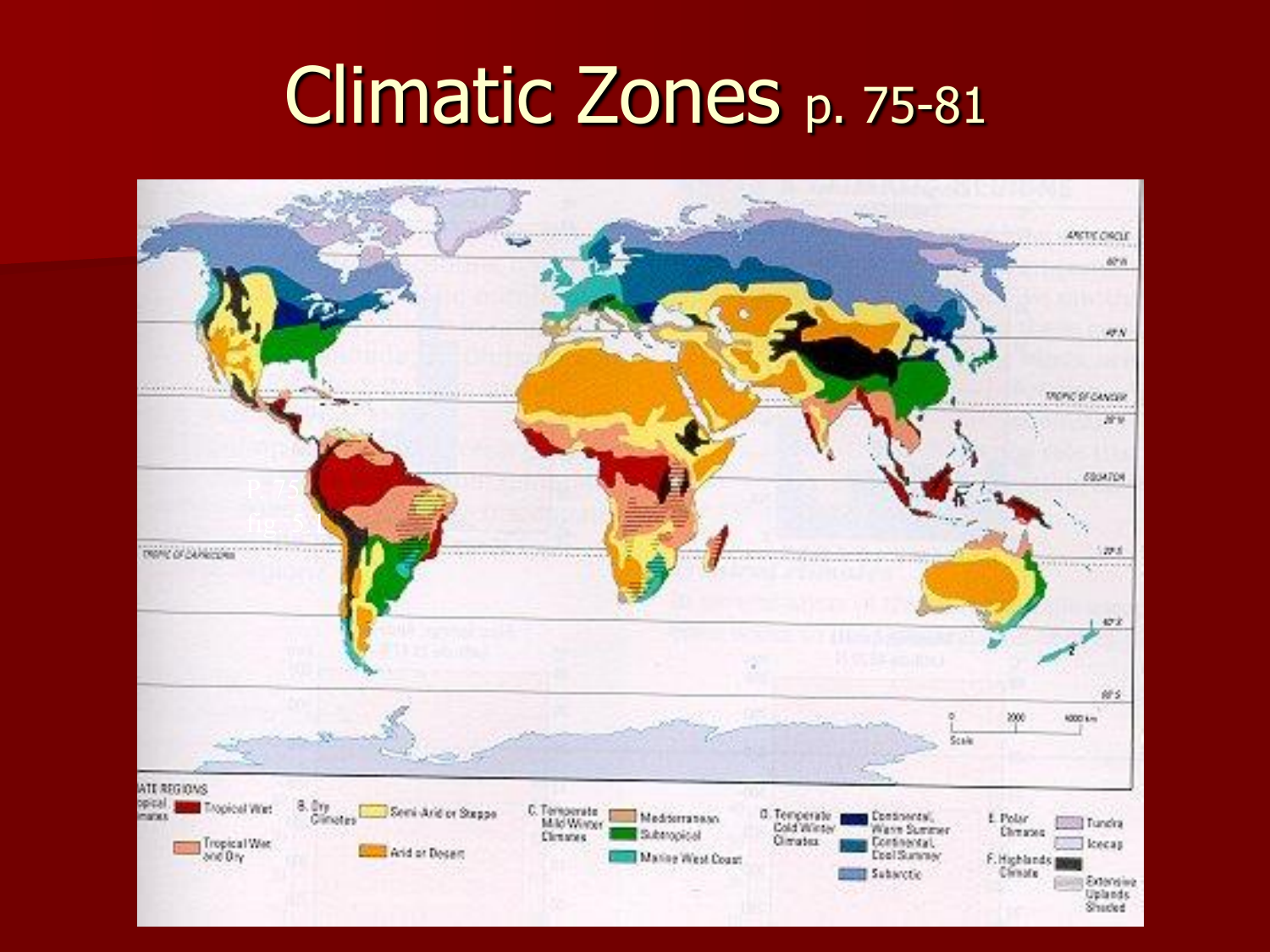
Understanding the intricacies of a Temperate Region Climate is essential for appreciating the diverse ecosystems and weather patterns that shape our world. This climate type, characterized by moderate temperatures and distinct seasonal variations, is found in regions between the tropics and the polar circles. Let's delve into the specifics of a temperate region climate, exploring its characteristics, impacts on ecosystems, and the unique challenges it presents.
Characteristics of a Temperate Region Climate
A Temperate Region Climate is defined by its moderate temperatures and significant seasonal changes. These regions experience four distinct seasons: spring, summer, autumn, and winter. The temperature range typically varies from -30°C to 30°C (-22°F to 86°F), making it suitable for a wide variety of plant and animal life.
One of the key features of a temperate region climate is its precipitation patterns. Rainfall is generally well-distributed throughout the year, although some regions may experience drier summers or wetter winters. This consistent moisture supports lush vegetation and diverse ecosystems.
Another important characteristic is the influence of ocean currents and prevailing winds. For example, the Gulf Stream in the Atlantic Ocean moderates the climate of Western Europe, making it milder than other regions at similar latitudes. Similarly, the prevailing westerly winds bring moisture from the oceans, contributing to the overall climate stability.
Types of Temperate Region Climates
Within the broader category of temperate region climates, there are several subtypes, each with its unique features:
- Humid Subtropical Climate: Found in the southeastern United States, eastern China, and parts of Australia, this climate type is characterized by hot, humid summers and mild winters. Precipitation is abundant year-round, with thunderstorms common in the summer.
- Marine West Coast Climate: This climate is prevalent along the western coasts of continents, such as the Pacific Northwest in the United States and parts of Western Europe. It is marked by mild winters, cool summers, and consistent rainfall throughout the year.
- Mediterranean Climate: Found in regions like the Mediterranean Basin, California, and parts of Australia, this climate features hot, dry summers and mild, wet winters. The distinct seasonal contrast supports unique vegetation, including evergreen forests and shrublands.
- Humid Continental Climate: This climate type is found in the northeastern United States, Canada, and parts of Europe. It is characterized by warm to hot summers and cold winters, with significant temperature variations between seasons. Precipitation is well-distributed but can be heavy during the summer.
Impact on Ecosystems
The Temperate Region Climate supports a rich diversity of ecosystems, each adapted to the specific conditions of their environment. Forests, grasslands, and wetlands are common in these regions, each playing a crucial role in the local ecology.
Forests in temperate regions are typically deciduous, with trees that shed their leaves annually. These forests provide habitat for a wide variety of wildlife, including birds, mammals, and insects. The seasonal changes in temperature and precipitation drive the life cycles of many species, influencing their behavior and reproduction.
Grasslands, such as the prairies of North America and the steppes of Eurasia, are characterized by vast expanses of grasses and herbs. These ecosystems support large herbivores like bison and antelopes, as well as predators like wolves and eagles. The grasslands are also important for agriculture, providing fertile soil for farming.
Wetlands, including marshes and bogs, are critical for water purification, flood control, and biodiversity. They serve as nurseries for many aquatic species and provide habitat for migratory birds. The unique hydrology of wetlands supports a variety of plant and animal life, making them essential components of temperate ecosystems.
Challenges and Adaptations
Living in a Temperate Region Climate presents unique challenges and opportunities for both humans and wildlife. The seasonal variations require adaptations in behavior, physiology, and infrastructure.
For humans, the changing seasons necessitate adjustments in clothing, housing, and agriculture. Winter brings cold temperatures and snow, requiring insulation and heating. Summer, on the other hand, can be hot and humid, necessitating cooling systems and light clothing. Agriculture must adapt to the seasonal changes, with crops planted and harvested at specific times to maximize yield.
Wildlife in temperate regions has evolved various strategies to cope with the seasonal variations. Many animals hibernate during the winter to conserve energy, while others migrate to warmer regions. Plants have adapted by developing mechanisms to withstand cold temperatures and dormancy periods. For example, deciduous trees shed their leaves to reduce water loss and conserve energy during the winter.
Climate change poses additional challenges to temperate regions. Rising temperatures, altered precipitation patterns, and increased frequency of extreme weather events can disrupt ecosystems and human activities. Conservation efforts and sustainable practices are crucial for mitigating these impacts and preserving the unique characteristics of temperate region climates.
Human Activities and Temperate Region Climate
Human activities significantly influence the Temperate Region Climate, and vice versa. Urbanization, deforestation, and industrialization can alter local climate patterns, affecting temperature, precipitation, and air quality.
Urban areas, with their concrete and asphalt surfaces, tend to be warmer than surrounding rural areas due to the urban heat island effect. This phenomenon can exacerbate the impacts of heatwaves and increase energy consumption for cooling. Deforestation, on the other hand, can lead to soil erosion, reduced rainfall, and altered water cycles, affecting both local and regional climates.
Industrial activities contribute to air pollution, which can affect climate by altering atmospheric composition and radiation balance. Pollutants like carbon dioxide and methane trap heat, contributing to global warming. Additionally, industrial processes can release particulate matter and other pollutants that affect air quality and human health.
Sustainable practices and conservation efforts are essential for mitigating the impacts of human activities on temperate region climates. Reforestation, urban greening, and renewable energy sources can help reduce the carbon footprint and improve air quality. Additionally, policies and regulations that promote sustainable development and protect natural ecosystems are crucial for preserving the unique characteristics of temperate regions.
🌱 Note: Sustainable practices and conservation efforts are essential for mitigating the impacts of human activities on temperate region climates.
Conclusion
A Temperate Region Climate is a dynamic and complex system that supports a rich diversity of ecosystems and human activities. Understanding its characteristics, impacts, and challenges is crucial for appreciating the unique beauty and importance of these regions. From the lush forests and vast grasslands to the unique adaptations of wildlife and human societies, temperate regions offer a wealth of knowledge and inspiration for sustainable living and conservation efforts. By embracing sustainable practices and protecting natural ecosystems, we can ensure the preservation of these valuable environments for future generations.
Related Terms:
- temperate climate zone definition
- earth's temperate zone map
- what is temperate climate zone
- characteristics of a temperate climate
- what does temperate climate mean
- where are temperate climates found