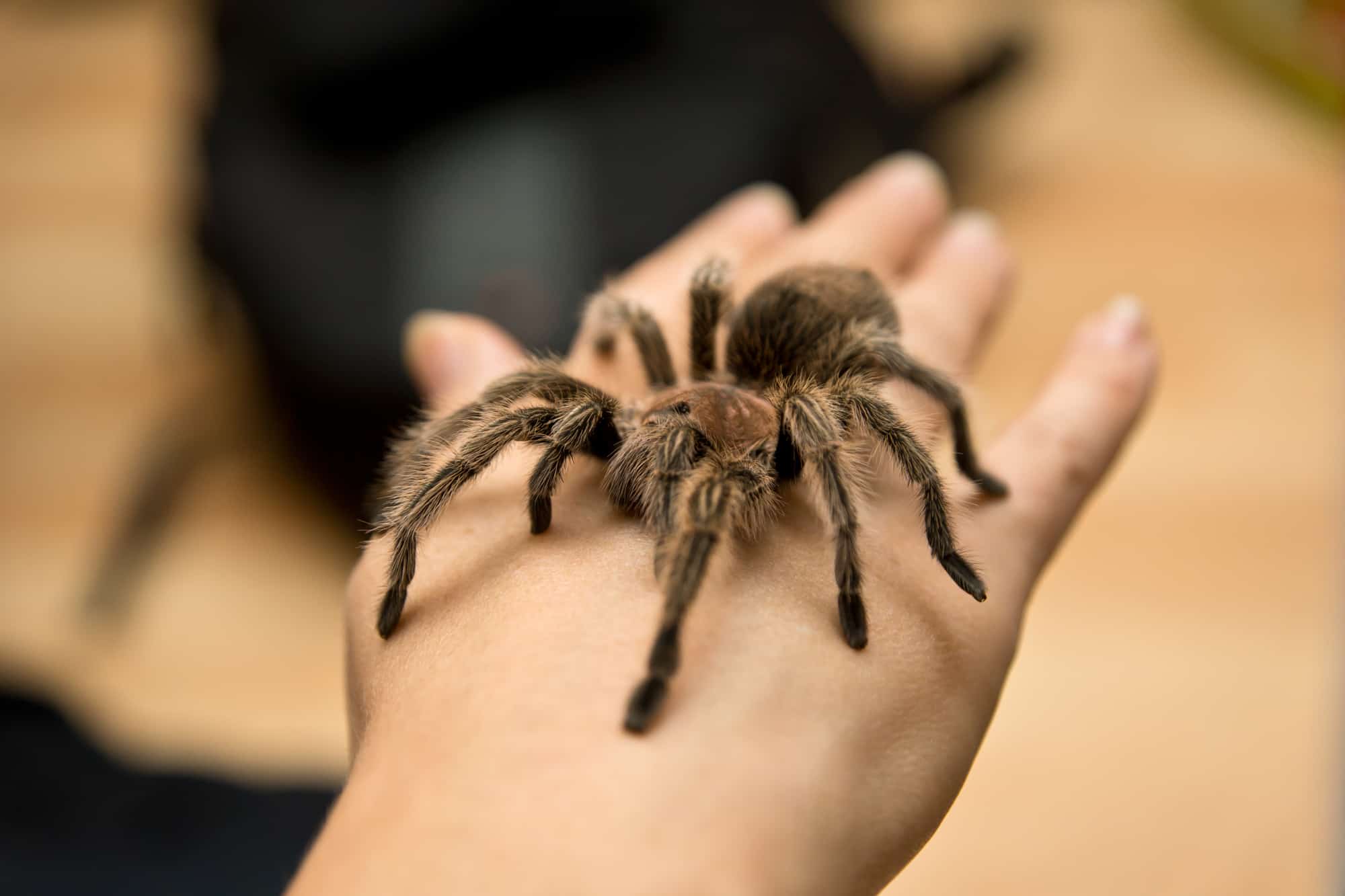
Tarantulas are fascinating creatures known for their large size and hairy appearance. While they are generally docile and prefer to avoid human contact, encounters can sometimes lead to a tarantula spider bite. Understanding the risks, symptoms, and appropriate responses to a tarantula bite is crucial for anyone who lives in or visits areas where these spiders are prevalent.
Understanding Tarantulas
Tarantulas are a type of spider belonging to the family Theraphosidae. They are found in various parts of the world, including the Americas, Africa, and Southeast Asia. These spiders are known for their large size, with some species reaching up to 10 inches in leg span. Despite their intimidating appearance, tarantulas are generally not aggressive and will only bite when provoked or threatened.
Types of Tarantulas
There are over 900 species of tarantulas, each with its unique characteristics. Some of the most well-known species include:
- Goliath Birdeater (Theraphosa blondi): One of the largest spider species in the world, found in the rainforests of South America.
- Chilean Rose Tarantula (Grammostola rosea): Known for its docile nature and beautiful rose-colored hairs, commonly kept as pets.
- Mexican Red-Knee Tarantula (Brachypelma smithi): Recognized by its distinctive red knees and blue legs, popular among spider enthusiasts.
Tarantula Spider Bite: Symptoms and Risks
A tarantula spider bite is relatively rare, but when it occurs, the symptoms can vary depending on the species and the individual's reaction to the venom. Most tarantula bites are not life-threatening to humans, but they can cause significant discomfort and local reactions.
Common symptoms of a tarantula bite include:
- Local pain and swelling at the bite site
- Redness and itching
- Nausea and vomiting
- Muscle cramps
- Headache
- In rare cases, more severe reactions such as difficulty breathing or anaphylaxis
It is important to note that while tarantula venom is generally not dangerous to humans, individual reactions can vary. Some people may experience more severe symptoms due to allergies or other underlying health conditions.
First Aid for a Tarantula Spider Bite
If you or someone else is bitten by a tarantula, it is essential to take immediate action to minimize the effects of the venom. Here are the steps to follow:
- Stay calm and reassure the victim to prevent panic, which can exacerbate symptoms.
- Clean the bite area with soap and water to prevent infection.
- Apply a cold compress to the bite site to reduce swelling and pain.
- Elevate the affected limb if possible to help reduce swelling.
- Monitor the victim for signs of an allergic reaction, such as difficulty breathing, swelling of the face or throat, or hives.
- Seek medical attention if symptoms worsen or if the victim has a known allergy to spider bites.
🛑 Note: Do not attempt to suck out the venom or apply a tourniquet, as these methods are ineffective and can cause more harm than good.
Medical Treatment for a Tarantula Spider Bite
In most cases, a tarantula spider bite can be treated with over-the-counter pain relievers and anti-inflammatory medications. However, if the bite causes severe symptoms or if the victim has an allergic reaction, medical intervention may be necessary.
Medical treatment for a tarantula bite may include:
- Administration of antihistamines to reduce itching and swelling
- Pain relievers to manage discomfort
- Antibiotics if there is a risk of infection
- In severe cases, epinephrine or other emergency treatments for anaphylaxis
Preventing Tarantula Bites
While tarantulas are generally not aggressive, it is essential to take precautions to avoid encounters and potential bites. Here are some tips to prevent tarantula bites:
- Be cautious when handling tarantulas, especially if you are not experienced with these spiders.
- Wear gloves and long sleeves when working in areas where tarantulas may be present.
- Inspect your surroundings carefully before sitting or lying down in outdoor areas.
- Keep your home clean and free of clutter to reduce hiding spots for tarantulas.
- Seal cracks and gaps in walls and foundations to prevent tarantulas from entering your home.
Tarantulas as Pets
Many people keep tarantulas as pets due to their unique appearance and relatively low maintenance requirements. However, it is crucial to understand the risks and responsibilities involved in owning a tarantula. Here are some tips for safely keeping a tarantula as a pet:
- Choose a docile species that is known for its calm temperament, such as the Chilean Rose Tarantula.
- Provide a secure enclosure with proper ventilation and substrate to mimic the spider's natural habitat.
- Handle the tarantula with care, using a gentle touch and avoiding sudden movements.
- Regularly clean the enclosure to prevent the buildup of waste and bacteria.
- Be aware of the signs of stress or illness in your tarantula and seek veterinary care if necessary.
While tarantulas can make fascinating pets, it is essential to remember that they are wild animals with specific needs and behaviors. Always prioritize the well-being of your tarantula and take precautions to ensure the safety of both the spider and yourself.
Common Myths About Tarantulas
There are many myths and misconceptions surrounding tarantulas and their bites. Here are some of the most common myths debunked:
| Myth | Fact |
|---|---|
| Tarantulas are highly venomous and deadly to humans. | While tarantula venom can cause discomfort and local reactions, it is generally not life-threatening to humans. |
| Tarantulas are aggressive and will attack without provocation. | Tarantulas are typically docile and will only bite when threatened or provoked. |
| Tarantulas can jump long distances. | Tarantulas are not capable of jumping. They move slowly and deliberately. |
| Tarantulas are dangerous to handle. | With proper care and handling, tarantulas can be safely kept as pets. However, it is essential to be cautious and respectful of the spider's needs. |
Understanding the facts about tarantulas can help dispel fears and misconceptions, allowing people to appreciate these fascinating creatures more fully.
Tarantulas are remarkable spiders with unique characteristics and behaviors. While a tarantula spider bite can be uncomfortable and potentially dangerous in rare cases, understanding the risks and taking appropriate precautions can help minimize the chances of an encounter. Whether you are a spider enthusiast or simply curious about these fascinating creatures, learning more about tarantulas can enhance your appreciation for their role in the natural world.
Related Terms:
- how dangerous are tarantulas
- tarantula spider are they poisonous
- are tarantulas spiders poisonous
- why are tarantulas dangerous
- tarantula spider bite treatment
- tarantula dangerous to humans