Supraventricular tachycardia (SVT) is a type of abnormal heart rhythm that originates above the ventricles, typically in the atria or the atrioventricular (AV) node. This condition can cause the heart to beat much faster than normal, leading to symptoms such as palpitations, dizziness, shortness of breath, and even fainting. Understanding the Supraventricular Tachycardia Medical Procedure is crucial for both patients and healthcare providers to manage this condition effectively.
Understanding Supraventricular Tachycardia
SVT is characterized by a rapid heart rate that usually exceeds 100 beats per minute. It can be further classified into different types based on its origin and mechanism:
- Atrioventricular Nodal Reentrant Tachycardia (AVNRT): This is the most common type of SVT, accounting for about 60% of cases. It occurs due to an abnormal electrical circuit within the AV node.
- Atrioventricular Reentrant Tachycardia (AVRT): This type involves an accessory pathway, an extra electrical connection between the atria and ventricles, which can cause a reentrant circuit.
- Atrial Tachycardia: This originates from an abnormal focus in the atria and can be further classified into focal atrial tachycardia and multifocal atrial tachycardia.
Diagnosing Supraventricular Tachycardia
Diagnosing SVT involves a combination of clinical evaluation and diagnostic tests. The primary goal is to identify the type of SVT and its underlying cause. Common diagnostic tools include:
- Electrocardiogram (ECG): An ECG records the electrical activity of the heart and can help identify the type of SVT based on the pattern of the heart's electrical impulses.
- Holter Monitor: This portable device records the heart's electrical activity over a 24-48 hour period, providing a more comprehensive view of the heart's rhythm.
- Event Monitor: Similar to a Holter monitor, an event monitor records the heart's electrical activity but is worn for a longer period, typically up to 30 days.
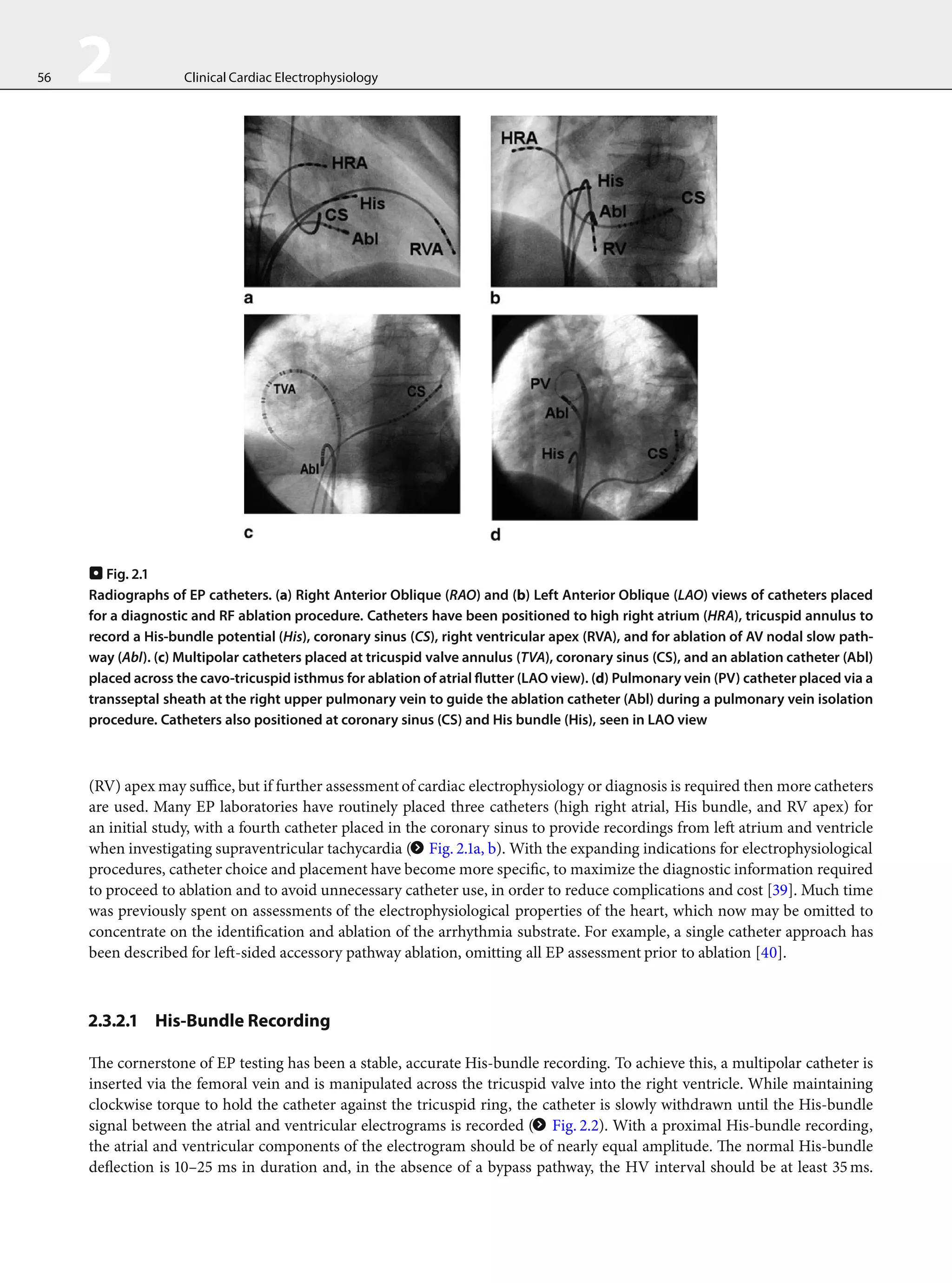
- Electrophysiology Study (EPS): This invasive procedure involves inserting catheters into the heart to map the electrical pathways and identify the source of the abnormal rhythm.
Medical Management of Supraventricular Tachycardia
The Supraventricular Tachycardia Medical Procedure involves a combination of pharmacological and non-pharmacological interventions. The choice of treatment depends on the type of SVT, its severity, and the patient's overall health. Common medical management strategies include:
- Vagal Maneuvers: These non-invasive techniques, such as the Valsalva maneuver or carotid sinus massage, can help slow the heart rate by stimulating the vagus nerve.
- Medications: Various medications can be used to control the heart rate and prevent episodes of SVT. Commonly prescribed drugs include beta-blockers, calcium channel blockers, and antiarrhythmic agents.
- Cardioversion: This procedure involves delivering an electrical shock to the heart to restore a normal rhythm. It is typically used in emergency situations when the heart rate is extremely rapid or the patient is unstable.
Catheter Ablation: A Definitive Treatment
For patients with recurrent or symptomatic SVT, catheter ablation is often recommended as a definitive treatment. This minimally invasive procedure involves using radiofrequency energy or cryoenergy to destroy the abnormal electrical pathways causing the arrhythmia. The steps involved in catheter ablation include:
- Pre-Procedure Preparation: The patient undergoes a thorough evaluation, including an ECG and possibly an EPS. Medications that affect the heart's electrical activity may be adjusted or discontinued.
- Catheter Insertion: Under local anesthesia, catheters are inserted into the heart through a vein, usually in the groin or neck. The catheters are guided to the heart using fluoroscopy.
- Mapping the Electrical Pathways: The catheters record the electrical activity of the heart to identify the abnormal pathways responsible for the SVT.
- Ablation: Once the abnormal pathway is identified, radiofrequency energy or cryoenergy is applied to destroy the tissue, effectively eliminating the arrhythmia.
- Post-Procedure Care: The patient is monitored in the hospital for a short period to ensure there are no complications. Follow-up appointments are scheduled to assess the effectiveness of the procedure and adjust medications as needed.
📝 Note: Catheter ablation is generally safe, but like any medical procedure, it carries risks such as bleeding, infection, and damage to the heart or blood vessels.
Lifestyle Modifications and Follow-Up Care
In addition to medical interventions, lifestyle modifications can play a crucial role in managing SVT. Patients are often advised to:
- Avoid Triggers: Identify and avoid factors that can trigger SVT episodes, such as stress, caffeine, and alcohol.
- Maintain a Healthy Lifestyle: Engage in regular physical activity, maintain a balanced diet, and manage stress through techniques such as meditation or yoga.
- Regular Follow-Up: Schedule regular follow-up appointments with the healthcare provider to monitor the heart's rhythm and adjust medications as needed.
Complications and Long-Term Management
While SVT is generally manageable, it can lead to complications if left untreated. Long-term management strategies focus on preventing recurrences and minimizing the risk of complications. Common complications include:
- Heart Failure: Prolonged episodes of SVT can weaken the heart muscle, leading to heart failure.
- Stroke: In some cases, SVT can increase the risk of blood clots forming in the heart, which can travel to the brain and cause a stroke.
- Tachycardia-Induced Cardiomyopathy: This condition occurs when the heart muscle becomes weakened due to prolonged periods of rapid heart rate.
To manage these risks, patients may need to undergo regular cardiac evaluations, adjust medications, and consider additional interventions such as implantable cardioverter-defibrillators (ICDs) or pacemakers.
Patient Education and Support
Education and support are essential for patients living with SVT. Understanding the condition, its triggers, and management strategies can empower patients to take an active role in their care. Support groups and online communities can provide valuable resources and emotional support. Patients should be encouraged to:
- Learn About SVT: Educate themselves about the condition, its symptoms, and treatment options.
- Communicate with Healthcare Providers: Maintain open communication with healthcare providers to discuss concerns and adjust treatment plans as needed.
- Seek Support: Join support groups or online communities to connect with others who have SVT and share experiences and advice.
By staying informed and engaged, patients can better manage their condition and improve their quality of life.
In conclusion, Supraventricular Tachycardia Medical Procedure encompasses a range of diagnostic and treatment options designed to manage this common heart rhythm disorder effectively. From pharmacological interventions to catheter ablation, the goal is to restore normal heart rhythm and prevent complications. Lifestyle modifications, regular follow-up care, and patient education play crucial roles in long-term management. By understanding the condition and working closely with healthcare providers, patients can lead active and fulfilling lives despite the challenges posed by SVT.
Related Terms:
- svt ablation procedure steps
- supraventricular tachycardia ablation procedure
- svt ablation for heart palpitations
- best ablation for svt patients
- what is an svt ablation
- ablation for svt success rate