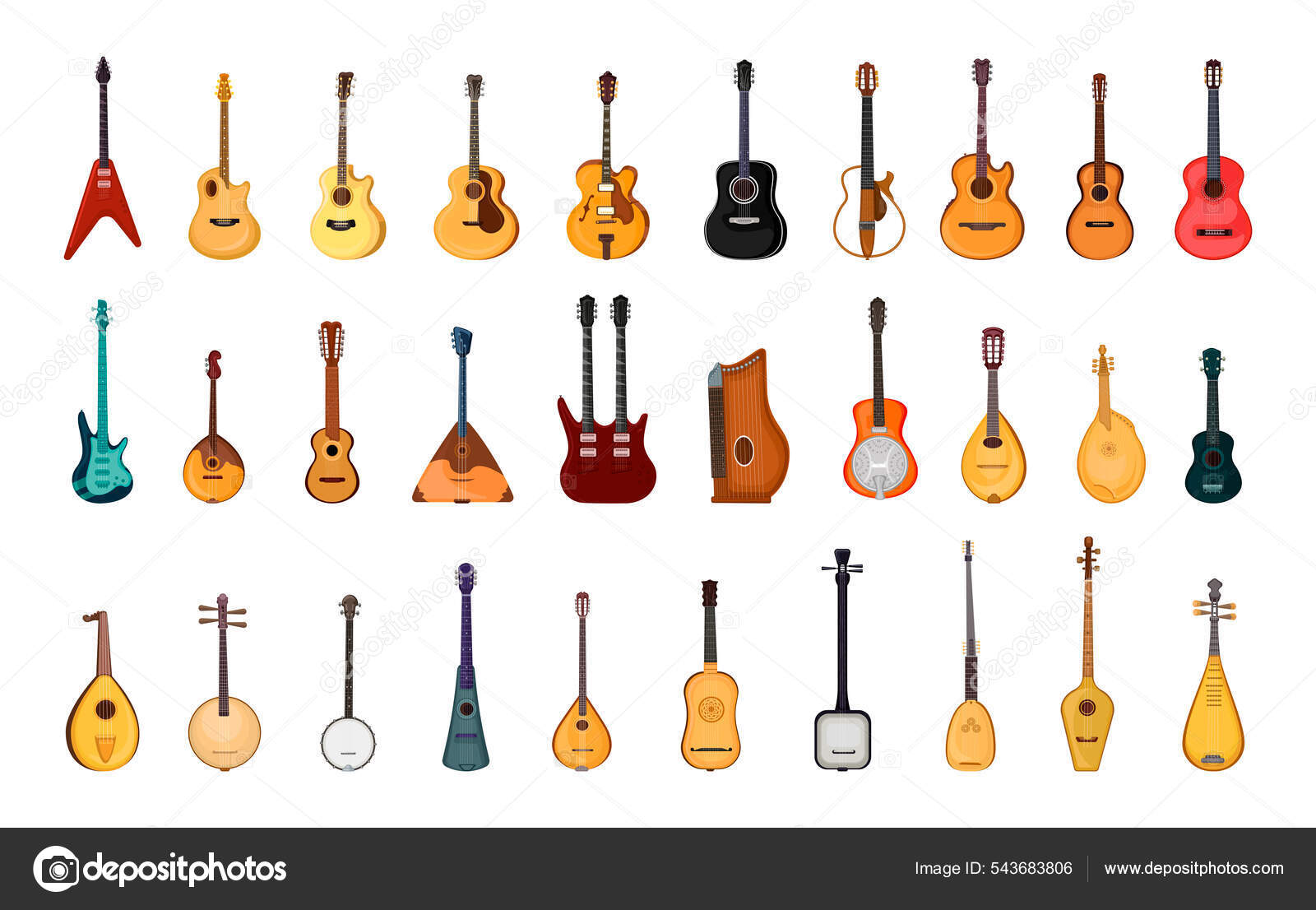
String instruments are a fundamental part of the musical world, offering a rich and diverse range of sounds that have captivated audiences for centuries. From the delicate tones of a violin to the deep resonance of a double bass, string instruments names span a wide array of shapes, sizes, and playing techniques. This blog post will delve into the fascinating world of string instruments, exploring their history, types, and unique characteristics.
History of String Instruments
The history of string instruments is as old as civilization itself. Early string instruments were simple, often consisting of a single string stretched over a resonating chamber. Over time, these instruments evolved into more complex forms, with multiple strings and intricate designs. The development of string instruments can be traced back to ancient civilizations such as Egypt, Greece, and China, where various forms of lutes, harps, and zithers were used in religious and cultural ceremonies.
In Europe, the Middle Ages saw the emergence of instruments like the lute and the rebab, which were precursors to modern string instruments. The Renaissance period brought about significant advancements, with the development of the violin family, including the violin, viola, and cello. These instruments became staples in classical music, and their popularity continues to this day.
Types of String Instruments
String instruments can be broadly categorized into several types, each with its unique characteristics and playing techniques. The most common types include bowed instruments, plucked instruments, and struck instruments.
Bowed Instruments
Bowed instruments are played by drawing a bow across the strings, producing a continuous sound. The most well-known bowed instruments are part of the violin family, which includes:
- Violin: The smallest and highest-pitched instrument in the violin family, known for its versatility and expressive range.
- Viola: Slightly larger than the violin, with a deeper and richer sound. It often plays the harmony in orchestral pieces.
- Cello: A larger instrument with a fuller, more resonant sound. It is often featured in solo performances and chamber music.
- Double Bass: The largest and lowest-pitched instrument in the violin family, providing the bass line in orchestras and ensembles.
Other notable bowed instruments include the hardanger fiddle, used in traditional Norwegian music, and the erhu, a two-stringed instrument from China.
Plucked Instruments
Plucked instruments are played by plucking the strings with the fingers or a plectrum. This category includes a wide variety of instruments from different cultures, such as:
- Guitar: One of the most popular string instruments, known for its versatility in various music genres, from classical to rock.
- Lute: A pear-shaped instrument with a short neck and multiple strings, commonly used in Renaissance and Baroque music.
- Mandolin: A small, eight-stringed instrument with a bright, twangy sound, often used in folk and bluegrass music.
- Sitar: An Indian instrument with a long neck and multiple strings, known for its distinctive drone and use in classical Indian music.
Plucked instruments offer a wide range of tonal possibilities, from the delicate sounds of the harp to the powerful chords of the guitar.
Struck Instruments
Struck instruments are played by striking the strings with a hammer or beater. The most well-known struck instrument is the piano, which, despite having strings, is often classified separately due to its unique mechanism. Other struck instruments include:
- Harp: An instrument with multiple strings stretched across a large frame, played by plucking the strings with the fingers.
- Dulcimer: A stringed instrument played by striking the strings with small hammers, often used in folk music.
- Piano: A keyboard instrument with strings that are struck by hammers when the keys are pressed, producing a wide range of dynamics and tones.
Struck instruments provide a unique blend of percussive and melodic elements, making them versatile in various musical contexts.
Unique Characteristics of String Instruments
Each string instrument has its unique characteristics that contribute to its sound and playing technique. Understanding these characteristics can enhance appreciation for the diverse world of string instruments.
Tone and Timbre
The tone and timbre of a string instrument are determined by several factors, including the material of the strings, the shape and size of the instrument, and the playing technique. For example, the violin's bright and clear tone is achieved through its small size and high-tension strings, while the cello's rich and resonant sound comes from its larger body and lower-tension strings.
Playing Techniques
String instruments offer a variety of playing techniques that allow musicians to express a wide range of emotions and dynamics. Some common techniques include:
- Bowing: Used in bowed instruments, where the bow is drawn across the strings to produce a continuous sound.
- Plucking: Used in plucked instruments, where the strings are plucked with the fingers or a plectrum.
- Striking: Used in struck instruments, where the strings are struck with a hammer or beater.
- Pizzicato: A technique used in bowed instruments where the strings are plucked with the fingers instead of being bowed.
- Vibrato: A technique where the pitch of a note is varied slightly to add expression and warmth to the sound.
These techniques, along with others like tremolo and glissando, allow musicians to create a rich and dynamic musical experience.
Construction and Materials
The construction and materials of string instruments play a crucial role in their sound and playability. Traditional string instruments are often made from wood, with different types of wood used for the body, neck, and fingerboard. For example, the violin is typically made from spruce for the top and maple for the back and sides, while the guitar often uses mahogany or rosewood for the body.
Modern string instruments may incorporate synthetic materials and advanced manufacturing techniques to enhance durability and sound quality. However, many musicians still prefer traditional materials for their authentic and resonant tones.
String Instruments in Different Cultures
String instruments are found in various cultures around the world, each with its unique traditions and playing techniques. Exploring these cultural variations can provide a deeper understanding of the global significance of string instruments.
Western Classical Music
In Western classical music, string instruments are essential components of the orchestra and chamber ensembles. The violin family, along with the harp and guitar, plays a central role in classical compositions. Composers like Bach, Mozart, and Beethoven have written numerous works featuring string instruments, showcasing their expressive range and technical capabilities.
Traditional Chinese Music
Traditional Chinese music features a variety of string instruments, each with its unique sound and playing technique. The erhu, a two-stringed instrument, is known for its expressive and emotive sound, often used in solo performances and ensemble music. Other notable Chinese string instruments include the guqin, a seven-stringed zither, and the pipa, a four-stringed lute.
Indian Classical Music
Indian classical music is rich in string instruments, with the sitar and sarod being among the most well-known. The sitar, with its distinctive drone and resonant sound, is often featured in classical ragas and improvisational performances. The sarod, a lute-like instrument, is known for its deep and expressive tones, often used in solo and ensemble settings.
African Music
African music features a variety of string instruments, often incorporating traditional materials and playing techniques. The kora, a 21-stringed lute-harp, is a prominent instrument in West African music, known for its intricate melodies and rhythmic patterns. The mbira, a thumb piano, is another notable African string instrument, often used in ceremonial and spiritual contexts.
Learning to Play String Instruments
Learning to play a string instrument can be a rewarding experience, offering both personal and artistic growth. Whether you are a beginner or an experienced musician, there are several steps to consider when embarking on your musical journey.
Choosing the Right Instrument
Selecting the right string instrument depends on your musical interests, physical capabilities, and personal preferences. Consider the following factors when choosing an instrument:
- Size and Comfort: Ensure the instrument is comfortable to hold and play, especially for younger musicians.
- Sound and Tone: Listen to different instruments to find the one that resonates with your musical tastes.
- Playing Technique: Consider the playing technique required for the instrument and whether it aligns with your interests and abilities.
Some popular choices for beginners include the violin, guitar, and ukulele, each offering a unique learning experience.
Finding a Teacher or Resources
Having a qualified teacher or access to reliable resources is essential for learning to play a string instrument. Consider the following options:
- Private Lessons: Working one-on-one with a teacher can provide personalized instruction and feedback.
- Group Classes: Joining a group class can offer a supportive learning environment and opportunities for ensemble playing.
- Online Resources: Utilize online tutorials, videos, and apps to supplement your learning and practice.
Regardless of the method you choose, consistent practice and dedication are key to mastering a string instrument.
🎵 Note: It's important to set realistic goals and expectations when learning to play a string instrument. Progress takes time and patience, so enjoy the journey and celebrate small achievements along the way.
Maintaining and Caring for String Instruments
Proper maintenance and care are essential for keeping your string instrument in optimal condition. Regular upkeep can extend the lifespan of your instrument and ensure it produces the best possible sound. Here are some tips for maintaining and caring for your string instrument:
Cleaning and Storage
Regular cleaning and proper storage are crucial for preserving the quality of your string instrument. Follow these guidelines:
- Cleaning: Wipe down the instrument with a soft, dry cloth after each use to remove dirt and oils. Avoid using harsh chemicals or abrasive materials.
- Storage: Store your instrument in a cool, dry place away from direct sunlight and extreme temperatures. Use a protective case when not in use to prevent damage.
String Replacement
Strings wear out over time and need to be replaced periodically to maintain optimal sound quality. Follow these steps for replacing strings:
- Frequency: Replace strings every 3-6 months, depending on how often you play and the type of strings used.
- Technique: Follow the manufacturer's instructions for string replacement, ensuring the strings are properly tensioned and tuned.
Regular string replacement can enhance the sound and playability of your instrument.
Professional Maintenance
Periodic professional maintenance is recommended to keep your string instrument in top condition. Consider the following services:
- Setup and Adjustment: Have a professional adjust the bridge, nut, and other components to ensure proper playability and sound quality.
- Repairs: Address any damage or wear promptly to prevent further issues and maintain the instrument's value.
Regular professional maintenance can extend the lifespan of your instrument and ensure it performs at its best.
String instruments are a vital part of the musical landscape, offering a rich and diverse range of sounds and playing techniques. From the delicate tones of a violin to the deep resonance of a double bass, string instruments names span a wide array of shapes, sizes, and cultural traditions. Whether you are a beginner or an experienced musician, exploring the world of string instruments can be a rewarding and enriching experience. By understanding the history, types, and unique characteristics of string instruments, you can deepen your appreciation for these remarkable instruments and their role in music.
Related Terms:
- list of instruments with strings
- the string family instruments names
- string instruments chart
- list of all stringed instruments
- names of all string instruments
- list of all string instruments