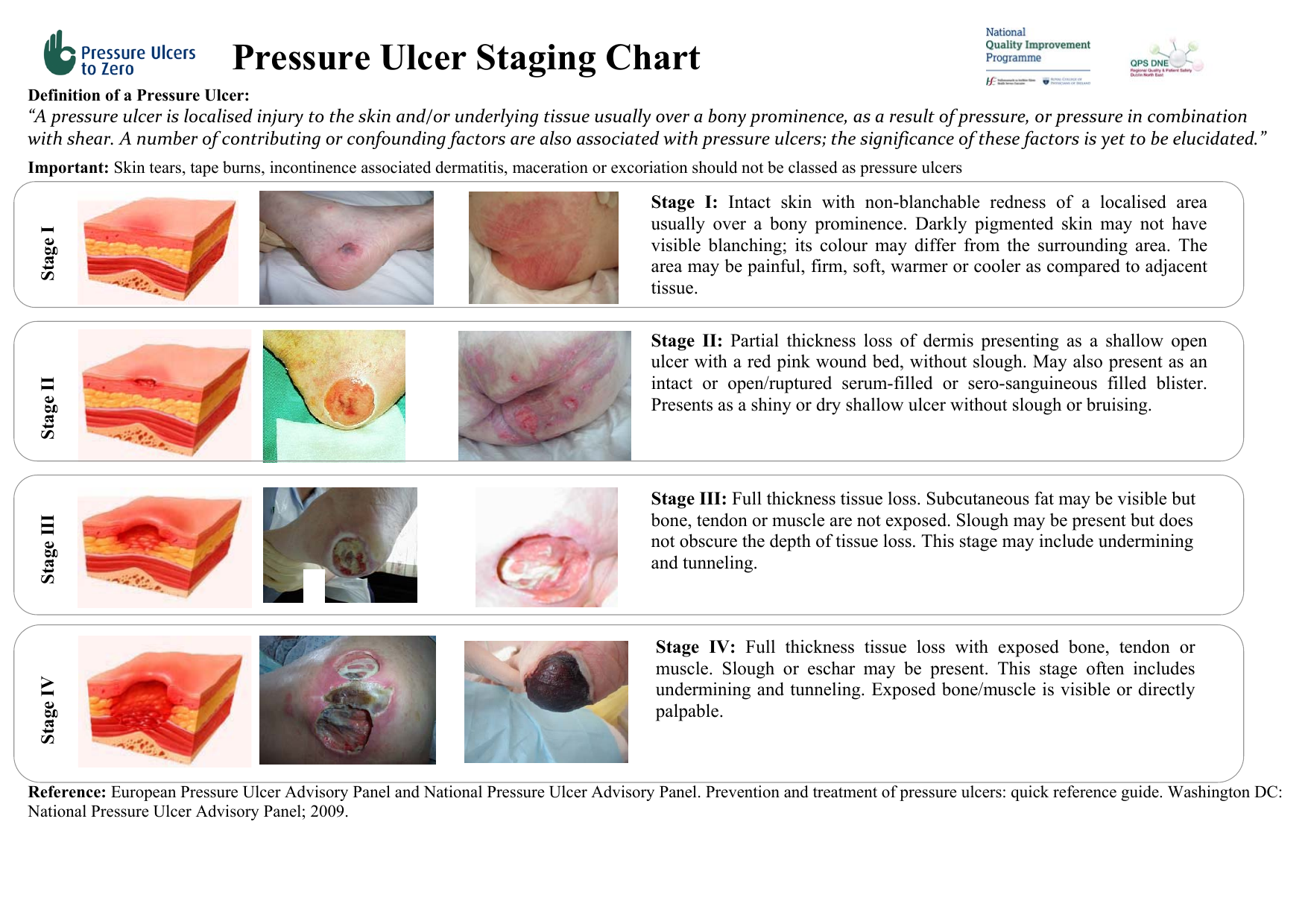
Understanding and managing a Stage 2 Pressure Injury is crucial for healthcare professionals and caregivers. These injuries, also known as pressure ulcers or bed sores, occur when prolonged pressure on the skin reduces blood flow, leading to tissue damage. Stage 2 pressure injuries are characterized by partial-thickness skin loss involving the epidermis and/or dermis. Early detection and appropriate care can prevent further deterioration and promote healing.
Understanding Stage 2 Pressure Injuries
A Stage 2 Pressure Injury is identified by the presence of a shallow open ulcer with a red-pink wound bed, without slough. The wound may also present as an intact or open/ruptured serum-filled blister. These injuries typically occur over bony prominences such as the heels, ankles, hips, and sacrum, areas where the skin is subject to constant pressure.
Risk Factors for Stage 2 Pressure Injuries
Several factors increase the risk of developing a Stage 2 Pressure Injury. These include:
- Immobility: Patients who are bedridden or have limited mobility are at higher risk.
- Poor Nutrition: Inadequate intake of proteins, vitamins, and minerals can impair skin health.
- Moisture: Prolonged exposure to moisture, such as from sweat or incontinence, can weaken the skin.
- Friction and Shear: Movement that causes the skin to rub against surfaces or stretch can lead to injury.
- Chronic Conditions: Diseases like diabetes, vascular disease, and neurological disorders can affect blood flow and sensation.
Assessment and Diagnosis
Accurate assessment is key to diagnosing a Stage 2 Pressure Injury. Healthcare professionals use the following methods:
- Visual Inspection: Examining the skin for signs of redness, swelling, and breakdown.
- Palpation: Gently feeling the area to assess temperature, texture, and tenderness.
- Wound Measurement: Documenting the size, depth, and characteristics of the wound.
- Pain Assessment: Evaluating the patient's pain levels and response to touch.
Treatment and Management
Effective management of a Stage 2 Pressure Injury involves a multidisciplinary approach. The primary goals are to relieve pressure, promote healing, and prevent infection.
Pressure Relief
Relieving pressure from the affected area is essential. This can be achieved through:
- Positioning: Regularly changing the patient's position to redistribute pressure.
- Support Surfaces: Using specialized mattresses, cushions, and overlays designed to reduce pressure.
- Off-Loading Devices: Employing boots, heel protectors, and other devices to offload pressure from vulnerable areas.
Wound Care
Proper wound care is crucial for healing. This includes:
- Cleaning: Gently cleaning the wound with saline or a mild cleanser to remove debris and reduce the risk of infection.
- Debridement: Removing dead tissue to promote healing. This can be done mechanically, enzymatically, or surgically.
- Dressings: Applying appropriate dressings to maintain a moist wound environment and protect the area from further injury.
Nutritional Support
Adequate nutrition is vital for wound healing. Patients should consume a balanced diet rich in:
- Proteins: Essential for tissue repair and regeneration.
- Vitamins and Minerals: Particularly vitamin C, zinc, and iron, which support immune function and collagen production.
- Hydration: Ensuring the patient is well-hydrated to maintain skin integrity and overall health.
Pain Management
Managing pain is important for the patient's comfort and overall well-being. This can involve:
- Medications: Using analgesics to control pain levels.
- Non-Pharmacological Interventions: Techniques such as positioning, massage, and heat/cold therapy to alleviate discomfort.
Prevention Strategies
Preventing Stage 2 Pressure Injuries is always preferable to treatment. Key prevention strategies include:
- Regular Skin Inspections: Conducting frequent skin checks, especially in high-risk areas.
- Skin Care: Keeping the skin clean, dry, and moisturized.
- Positioning and Mobility: Encouraging regular movement and repositioning to reduce prolonged pressure.
- Nutritional Support: Ensuring a balanced diet to maintain skin health.
- Education: Educating patients and caregivers about the signs of pressure injuries and preventive measures.
Complications and Monitoring
Even with proper care, complications can arise. Common issues include:
- Infection: Bacterial, viral, or fungal infections can delay healing and cause further tissue damage.
- Delayed Healing: Factors such as poor nutrition, underlying health conditions, and inadequate wound care can slow the healing process.
- Progression to Higher Stages: Without effective management, a Stage 2 Pressure Injury can progress to more severe stages, involving deeper tissue damage.
Regular monitoring is essential to detect and address these complications early. This includes:
- Wound Assessment: Regularly evaluating the wound for signs of infection, healing, or deterioration.
- Laboratory Tests: Conducting blood tests to monitor for infection and nutritional deficiencies.
- Patient Education: Teaching patients and caregivers to recognize signs of complications and seek timely medical attention.
📝 Note: Early intervention is key to preventing complications and promoting healing. Regular follow-ups and adherence to the treatment plan are crucial.
Special Considerations for Different Patient Populations
Certain patient populations require special considerations for the management of Stage 2 Pressure Injuries.
Elderly Patients
Elderly patients are at higher risk due to age-related changes in skin integrity and mobility. Special considerations include:
- Gentle Handling: Using gentle techniques to avoid further skin damage.
- Hydration: Ensuring adequate fluid intake to maintain skin hydration.
- Pain Management: Addressing pain sensitively, as elderly patients may have reduced pain tolerance.
Pediatric Patients
Children, especially those with chronic conditions, are also at risk. Key considerations include:
- Age-Appropriate Care: Using child-friendly techniques and dressings.
- Parental Involvement: Educating parents and caregivers about prevention and management.
- Nutritional Support: Ensuring a balanced diet tailored to the child's nutritional needs.
Patients with Chronic Conditions
Patients with conditions like diabetes, vascular disease, and neurological disorders require specialized care. Considerations include:
- Blood Sugar Control: Maintaining optimal blood sugar levels to promote healing.
- Circulation Management: Ensuring adequate blood flow to the affected area.
- Neurological Support: Addressing sensory and motor impairments to prevent further injury.
Case Studies and Real-World Examples
Understanding real-world examples can provide valuable insights into the management of Stage 2 Pressure Injuries. Here are a few case studies:
Case Study 1: Elderly Patient with Limited Mobility
An 80-year-old patient with limited mobility developed a Stage 2 Pressure Injury on the sacrum. The care plan included:
- Pressure Relief: Using a pressure-relieving mattress and frequent repositioning.
- Wound Care: Daily cleaning and dressing changes with a hydrocolloid dressing.
- Nutritional Support: Ensuring a high-protein diet and adequate hydration.
- Pain Management: Administering analgesics as needed.
The wound healed within six weeks with no complications.
Case Study 2: Pediatric Patient with Spina Bifida
A 5-year-old patient with spina bifida developed a Stage 2 Pressure Injury on the heel. The care plan included:
- Pressure Relief: Using a heel protector and frequent repositioning.
- Wound Care: Gentle cleaning and dressing changes with a foam dressing.
- Nutritional Support: Ensuring a balanced diet with adequate protein and vitamins.
- Parental Education: Teaching the parents about wound care and prevention.
The wound healed within four weeks with no complications.
Case Study 3: Diabetic Patient with Peripheral Neuropathy
A 60-year-old diabetic patient with peripheral neuropathy developed a Stage 2 Pressure Injury on the ankle. The care plan included:
- Pressure Relief: Using a pressure-relieving boot and frequent repositioning.
- Wound Care: Daily cleaning and dressing changes with a silver-impregnated dressing.
- Blood Sugar Control: Maintaining optimal blood sugar levels.
- Circulation Management: Ensuring adequate blood flow to the affected area.
The wound healed within eight weeks with no complications.
📝 Note: Each case is unique, and the care plan should be tailored to the individual's needs and circumstances.
Conclusion
Managing a Stage 2 Pressure Injury requires a comprehensive approach that includes pressure relief, wound care, nutritional support, and pain management. Early detection, regular monitoring, and adherence to the treatment plan are crucial for promoting healing and preventing complications. Special considerations for different patient populations ensure that care is tailored to individual needs, enhancing the likelihood of successful outcomes. By understanding the risk factors, assessment methods, and treatment strategies, healthcare professionals and caregivers can effectively manage Stage 2 Pressure Injuries and improve patient outcomes.
Related Terms:
- stage 2 pressure injury treatment
- stage 1 pressure injury
- stage 2 pressure injury dressing
- stage 2 pressure injury pictures
- stage 4 pressure injury
- wound staging