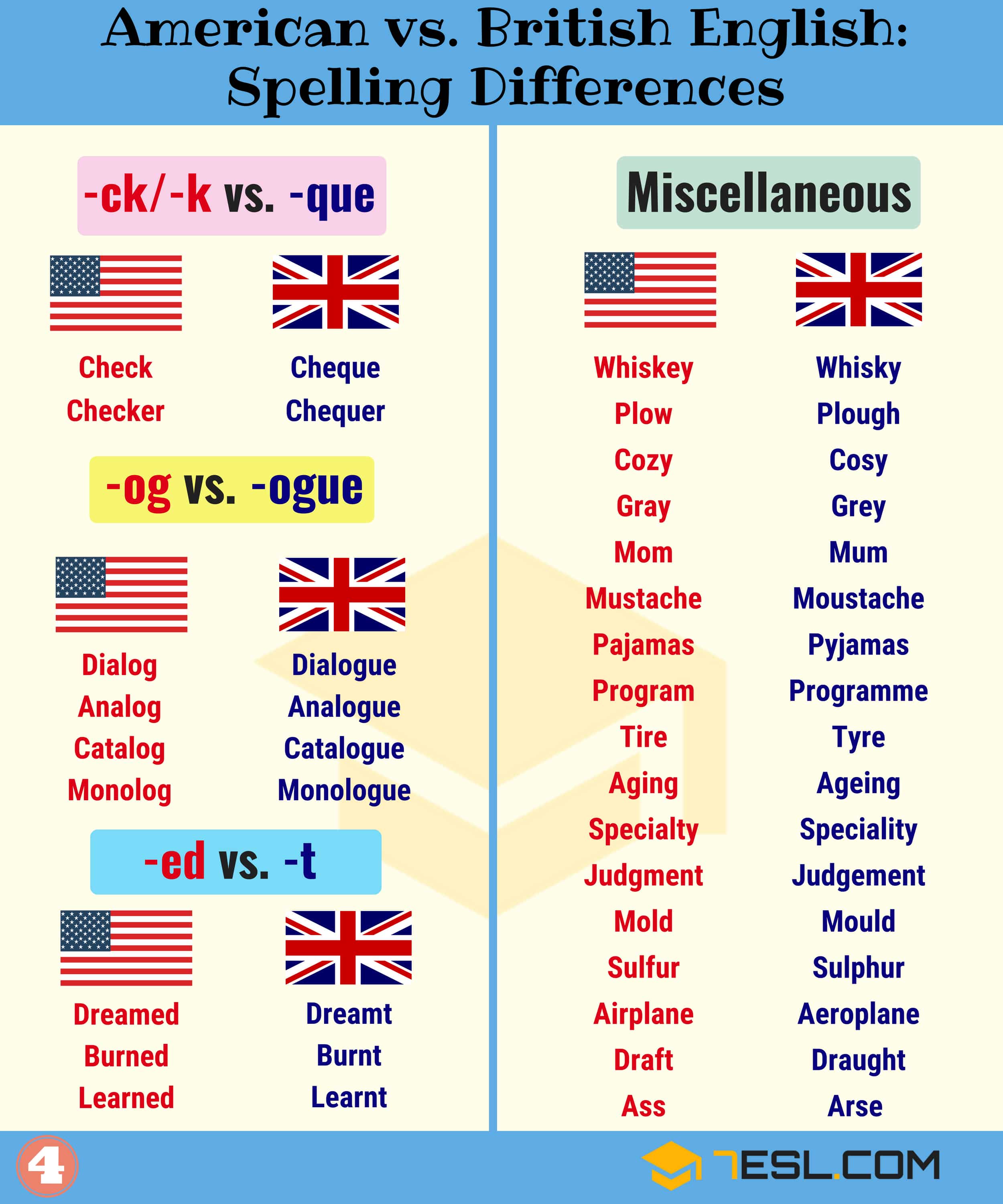
The English language is rich with nuances, and one of the most intriguing aspects is the variation in spelling, particularly when it comes to the past tense of the verb "spell." The debate between spelled versus spelt has been a topic of interest for linguists and language enthusiasts alike. Understanding the differences and the contexts in which each is used can enhance your writing and communication skills.
Understanding the Verb “Spell”
The verb “spell” has a straightforward definition: to write or name the letters that form a word in correct sequence. However, the past tense and past participle forms of this verb are where things get interesting. In American English, the past tense and past participle of “spell” are consistently spelled. In British English, both spelled and spelt are acceptable, though spelt is more commonly used in formal writing and traditional contexts.
Spelled Versus Spelt: The American Perspective
In American English, the past tense and past participle of “spell” are always spelled. This consistency is one of the reasons why American English is often considered more straightforward and easier to learn for non-native speakers. For example:
- Yesterday, I spelled the word correctly.
- The teacher spelled out the instructions clearly.
This uniformity eliminates any confusion that might arise from using different forms of the past tense and past participle.
Spelled Versus Spelt: The British Perspective
In British English, both spelled and spelt are correct, but spelt is more traditional and often preferred in formal writing. For instance:
- Yesterday, I spelt the word correctly.
- The teacher spelt out the instructions clearly.
However, in everyday conversation and informal writing, spelled is also widely accepted. The choice between the two often depends on personal preference and the context in which you are writing.
Historical Context and Evolution
The use of spelt versus spelled has evolved over time. Historically, spelt was the more common form in British English, reflecting the influence of Old English and Middle English. Over the centuries, as English evolved, spelled gained popularity, especially in American English, due to spelling reforms and the standardization of the language.
Today, both forms are recognized in British English, but spelled is more prevalent in American English. This divergence highlights the dynamic nature of the English language and how it adapts to different regions and cultural influences.
Regional Variations and Preferences
While American English predominantly uses spelled, British English offers more flexibility. In other English-speaking countries, such as Australia and Canada, the usage tends to follow American English conventions, favoring spelled. However, in South Africa and New Zealand, both spelled and spelt are used, similar to British English.
Understanding these regional variations can be crucial for writers and editors who work in international contexts. It ensures that the text is appropriate for the intended audience and adheres to local linguistic norms.
Spelled Versus Spelt in Formal and Informal Writing
In formal writing, such as academic papers, legal documents, and official reports, the choice between spelled and spelt can be influenced by the style guide being followed. For example, the Oxford Style Manual and the Chicago Manual of Style both recognize spelt as a valid form in British English, while the Associated Press (AP) Stylebook and the Modern Language Association (MLA) Style Manual prefer spelled.
In informal writing, such as blog posts, social media updates, and personal correspondence, the choice is often more flexible. Writers can use either form based on their personal preference or the conventions of the community they are writing for.
Common Mistakes and Clarifications
One common mistake is using spelt in American English contexts, which can lead to confusion or be seen as an error. Similarly, using spelled in British English contexts where spelt is expected can also be noticed. To avoid these mistakes, it’s essential to be aware of the regional preferences and the context in which you are writing.
Another clarification is the distinction between the verb “spell” and the noun “spelt,” which refers to a type of wheat. The noun “spelt” is spelled with an “e” and is not related to the past tense of the verb “spell.”
Examples in Context
To further illustrate the use of spelled versus spelt, consider the following examples:
| Context | American English | British English |
|---|---|---|
| Formal Writing | The word was spelled correctly in the dictionary. | The word was spelt correctly in the dictionary. |
| Informal Writing | I spelled out the instructions for the new employee. | I spelt out the instructions for the new employee. |
| Everyday Conversation | She spelled her name on the form. | She spelt her name on the form. |
📝 Note: The examples above are meant to illustrate the usage in different contexts. In practice, both forms can be used interchangeably in British English, depending on the writer's preference and the specific guidelines being followed.
In addition to the examples above, it's worth noting that the choice between spelled and spelt can also be influenced by the style guide being followed. For instance, the Oxford Style Manual and the Chicago Manual of Style both recognize spelt as a valid form in British English, while the Associated Press (AP) Stylebook and the Modern Language Association (MLA) Style Manual prefer spelled.
Understanding these guidelines can help writers and editors make informed decisions about which form to use in their writing.
In conclusion, the debate between spelled versus spelt is a fascinating aspect of the English language that reflects its regional variations and historical evolution. Whether you are writing in American English or British English, being aware of the appropriate form to use can enhance the clarity and accuracy of your communication. By understanding the nuances of spelled versus spelt, you can navigate the complexities of the English language with confidence and precision.
Related Terms:
- which is spelled correctly
- is spelled or spelt correct
- spelt vs spelled english
- spelled incorrectly or spelt
- spelled vs spelt
- is spelt better than spelled