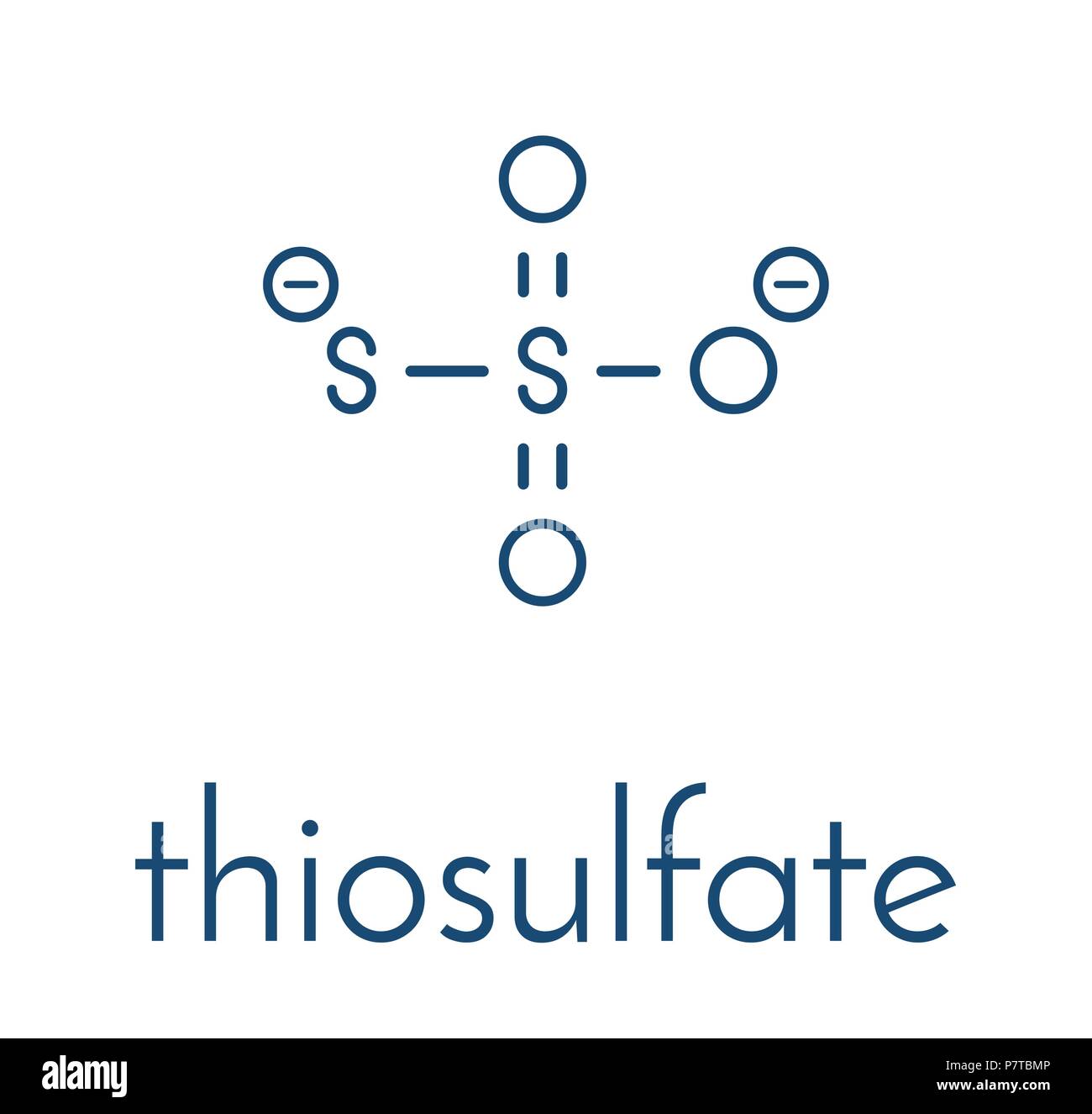
Understanding the So4 2 Lewis Structure is fundamental for anyone studying chemistry, particularly those delving into the intricacies of molecular bonding and electron distribution. The Lewis structure, named after Gilbert N. Lewis, is a diagrammatic representation that shows the bonding between atoms of a molecule and the lone pairs of electrons that may exist in the molecule. This structure is crucial for predicting the shape, reactivity, and other properties of molecules.
What is the So4 2 Lewis Structure?
The So4 2 Lewis Structure represents the sulfate ion, which is a polyatomic ion with the chemical formula SO4^2-. This ion is composed of one sulfur atom bonded to four oxygen atoms. The sulfate ion is a common anion found in various chemical compounds and plays a significant role in many biological and industrial processes.
Steps to Draw the So4 2 Lewis Structure
Drawing the So4 2 Lewis Structure involves several steps. Here’s a detailed guide to help you through the process:
Step 1: Determine the Total Number of Valence Electrons
The first step is to calculate the total number of valence electrons available for bonding. Sulfur (S) is in group 16 of the periodic table and has 6 valence electrons. Oxygen (O) is in group 16 as well and has 6 valence electrons each. Since there are four oxygen atoms, the total number of valence electrons from oxygen is 4 * 6 = 24. Additionally, the sulfate ion has a charge of -2, which means there are 2 extra electrons. Therefore, the total number of valence electrons is:
6 (from S) + 24 (from O) + 2 (from the charge) = 32 valence electrons.
Step 2: Choose the Central Atom
In the sulfate ion, sulfur (S) is the central atom because it is the least electronegative element among the atoms involved. The oxygen atoms will surround the sulfur atom.
Step 3: Connect the Atoms with Single Bonds
Draw single bonds between the sulfur atom and each of the four oxygen atoms. Each single bond consists of 2 electrons, so 4 single bonds will use 8 electrons. This leaves us with 32 - 8 = 24 valence electrons remaining.
Step 4: Distribute the Remaining Electrons
Distribute the remaining 24 electrons as lone pairs around the oxygen atoms. Each oxygen atom will have 3 lone pairs (6 electrons), which satisfies the octet rule for oxygen. This leaves us with 24 - 24 = 0 valence electrons remaining.
Step 5: Check for Formal Charges
To ensure the structure is correct, calculate the formal charges on each atom. The formal charge is determined by the formula:
Formal Charge = (Number of valence electrons in free atom) - (Number of lone pair electrons) - (Number of bonding electrons / 2)
For sulfur, the formal charge is:
6 (valence electrons) - 0 (lone pair electrons) - 8 (bonding electrons / 2) = 0
For each oxygen atom, the formal charge is:
6 (valence electrons) - 6 (lone pair electrons) - 2 (bonding electrons / 2) = -1
Since the sulfate ion has a charge of -2, and each oxygen atom has a formal charge of -1, the structure is correct.
So4 2 Lewis Structure Diagram
Here is a visual representation of the So4 2 Lewis Structure:

Properties of the Sulfate Ion
The sulfate ion has several important properties that make it a key player in various chemical reactions and biological processes. Some of these properties include:
- Stability: The sulfate ion is highly stable due to its resonance structures, which distribute the negative charge evenly across the oxygen atoms.
- Solubility: Most sulfate salts are soluble in water, making them useful in various industrial applications.
- Acidity: Sulfuric acid (H2SO4) is a strong acid, and the sulfate ion is the conjugate base of this acid.
- Biological Role: Sulfate ions play a crucial role in biological systems, such as in the metabolism of sulfur-containing amino acids.
Resonance Structures of the Sulfate Ion
The sulfate ion exhibits resonance, which means that the actual structure is a hybrid of several possible Lewis structures. Resonance structures help to distribute the negative charge more evenly across the molecule, enhancing its stability. Here are the resonance structures of the sulfate ion:
| Resonance Structure 1 | Resonance Structure 2 | Resonance Structure 3 | Resonance Structure 4 |
|---|---|---|---|
|
|
|
|
📝 Note: The actual structure of the sulfate ion is a resonance hybrid of these structures, which means the negative charge is delocalized over all four oxygen atoms.
Applications of the Sulfate Ion
The sulfate ion has numerous applications in various fields, including:
- Industrial Chemistry: Sulfate salts are used in the production of fertilizers, detergents, and other industrial chemicals.
- Environmental Science: Sulfate ions are involved in the sulfur cycle, which is crucial for the balance of sulfur in the environment.
- Biochemistry: Sulfate ions play a role in the metabolism of sulfur-containing compounds, such as amino acids and proteins.
- Medicine: Sulfate salts are used in various medical applications, such as in the treatment of certain types of poisoning.
The sulfate ion's versatility and stability make it an essential component in many chemical and biological processes.
Understanding the So4 2 Lewis Structure is not just about drawing a diagram; it’s about comprehending the underlying principles of molecular bonding and electron distribution. By mastering the steps to draw the Lewis structure and recognizing the properties and applications of the sulfate ion, you gain a deeper insight into the world of chemistry. This knowledge is invaluable for students, researchers, and professionals in various fields, from industrial chemistry to environmental science and biochemistry.
Related Terms:
- so4 2 molecular geometry
- so4 2 lewis structure resonance
- so4 2 structure
- so4 2 hybridization
- so4 2 shape
- so4 2 bond angle