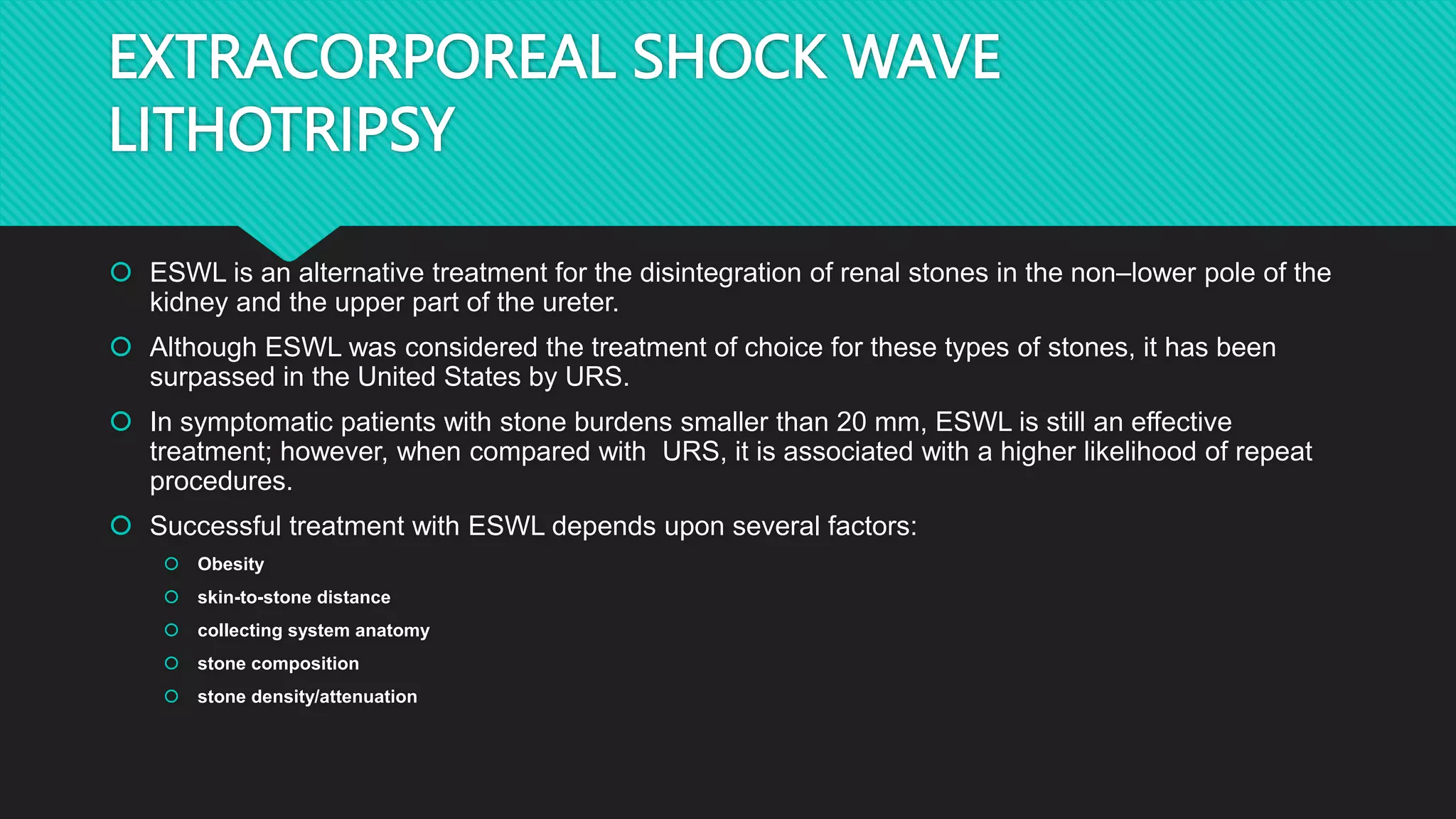
Shock Wave Lithotripsy (SWL) is a non-invasive medical procedure used to treat kidney stones and other urinary tract stones. This procedure has revolutionized the way urologists approach stone management, offering a less invasive alternative to traditional surgical methods. SWL uses high-energy shock waves to break down stones into smaller fragments that can be easily passed through the urinary system. This blog post will delve into the intricacies of Shock Wave Lithotripsy, its benefits, the procedure itself, and what patients can expect before, during, and after the treatment.
Understanding Shock Wave Lithotripsy
Shock Wave Lithotripsy is a procedure that utilizes focused shock waves to fragment stones within the urinary tract. The shock waves are generated outside the body and directed at the stone, causing it to break into smaller pieces. These smaller fragments can then pass naturally through the urinary system, alleviating the symptoms associated with larger stones.
SWL is particularly effective for treating stones located in the kidney and upper ureter. It is often recommended for patients who have stones that are too large to pass on their own but are not suitable for other minimally invasive procedures like ureteroscopy or percutaneous nephrolithotomy.
Benefits of Shock Wave Lithotripsy
There are several advantages to choosing Shock Wave Lithotripsy over other treatment options:
- Non-Invasive: SWL is performed without any incisions, making it a less invasive option compared to surgical procedures.
- Quick Recovery: Patients typically experience a shorter recovery time and can often return to their normal activities within a few days.
- Outpatient Procedure: The procedure is usually done on an outpatient basis, meaning patients do not need to stay in the hospital overnight.
- Effective for Certain Stone Types: SWL is particularly effective for treating stones that are less than 2 centimeters in size and located in the kidney or upper ureter.
The Shock Wave Lithotripsy Procedure
Before undergoing Shock Wave Lithotripsy, patients will typically undergo a series of diagnostic tests to determine the size, location, and composition of the stone. These tests may include:
- X-rays
- Ultrasound
- Computed Tomography (CT) scans
Once the stone is located, the patient is positioned on a treatment table. The procedure involves the following steps:
- Anesthesia: Depending on the size and location of the stone, the patient may receive general anesthesia, sedation, or local anesthesia.
- Stone Localization: The stone is located using fluoroscopy (a type of X-ray) or ultrasound. The patient is positioned so that the stone is aligned with the shock wave generator.
- Shock Wave Delivery: High-energy shock waves are generated by a device and directed at the stone. The shock waves pass through the body and break the stone into smaller fragments.
- Monitoring: The procedure is monitored using imaging techniques to ensure that the shock waves are effectively fragmenting the stone.
- Completion: Once the stone is sufficiently fragmented, the procedure is complete. The patient is then moved to a recovery area.
📝 Note: The duration of the procedure can vary depending on the size and location of the stone, but it typically takes about 45 to 60 minutes.
What to Expect Before, During, and After Shock Wave Lithotripsy
Preparation for Shock Wave Lithotripsy involves several steps to ensure the procedure goes smoothly. Patients are usually advised to:
- Stop taking certain medications, such as blood thinners, as directed by their doctor.
- Arrange for someone to drive them home after the procedure, as they may be groggy from anesthesia.
- Follow any specific dietary instructions provided by their healthcare team.
During the procedure, patients may experience some discomfort, but anesthesia helps to manage this. After the procedure, patients can expect to:
- Rest in a recovery area for a short period.
- Pass small stone fragments in their urine over the next few days.
- Experience some discomfort or pain, which can be managed with pain medication.
- Follow up with their doctor to ensure the stone fragments have passed and to monitor for any complications.
It is important for patients to stay hydrated and follow their doctor's instructions for post-procedure care. This may include:
- Drinking plenty of fluids to help flush out the stone fragments.
- Avoiding strenuous activities for a few days.
- Taking prescribed pain medication as needed.
📝 Note: Patients should contact their doctor if they experience severe pain, fever, or difficulty urinating after the procedure.
Potential Risks and Complications
While Shock Wave Lithotripsy is generally safe, there are some potential risks and complications to be aware of:
- Infection: There is a risk of urinary tract infection, which can be managed with antibiotics.
- Bleeding: Some patients may experience bleeding around the kidney or in the urinary tract.
- Stone Fragment Retention: In some cases, stone fragments may remain in the urinary tract and require additional treatment.
- Damage to Surrounding Tissues: Although rare, there is a risk of damage to nearby organs or tissues from the shock waves.
Patients should discuss these risks with their healthcare provider before undergoing the procedure. The benefits of SWL often outweigh the risks, especially for patients who are good candidates for the treatment.
Effectiveness of Shock Wave Lithotripsy
The effectiveness of Shock Wave Lithotripsy can vary depending on several factors, including the size, location, and composition of the stone. Generally, SWL is most effective for stones that are:
- Less than 2 centimeters in size.
- Located in the kidney or upper ureter.
- Composed of certain types of minerals, such as calcium oxalate or calcium phosphate.
Studies have shown that the success rate of SWL can range from 70% to 90% for suitable stones. However, the procedure may be less effective for stones that are larger, harder, or located in more difficult-to-reach areas.
In some cases, multiple SWL sessions may be required to completely fragment the stone. Patients should be prepared for the possibility of additional treatments if the initial procedure is not fully successful.
Alternative Treatments for Kidney Stones
While Shock Wave Lithotripsy is a popular and effective treatment for kidney stones, there are other options available. The choice of treatment depends on the size, location, and composition of the stone, as well as the patient's overall health and preferences. Some alternative treatments include:
- Ureteroscopy: A minimally invasive procedure where a thin scope is inserted into the urethra and bladder to reach the stone. The stone can then be broken up using a laser or removed with a basket.
- Percutaneous Nephrolithotomy (PCNL): A surgical procedure where a small incision is made in the back to access the kidney directly. The stone is then removed using specialized instruments.
- Medical Expulsive Therapy (MET): A non-invasive approach that involves taking medications to help the body pass the stone naturally. This is often used for smaller stones.
Each of these treatments has its own set of benefits and risks, and patients should discuss their options with their healthcare provider to determine the best course of action.
Patient Experience and Testimonials
Many patients who have undergone Shock Wave Lithotripsy report positive experiences and successful outcomes. The non-invasive nature of the procedure and the relatively quick recovery time are often highlighted as key benefits. Here are some common themes from patient testimonials:
- Pain Relief: Patients often report significant relief from the pain and discomfort associated with kidney stones after undergoing SWL.
- Quick Recovery: The ability to return to normal activities within a few days is a major advantage for many patients.
- Effective Treatment: Many patients are satisfied with the effectiveness of SWL in breaking down their stones and allowing them to pass naturally.
While individual experiences may vary, the overall consensus is that Shock Wave Lithotripsy is a valuable option for treating kidney stones, offering a less invasive and more convenient alternative to traditional surgical methods.
Future of Shock Wave Lithotripsy
The field of urology is continually evolving, and advancements in technology are enhancing the effectiveness and safety of Shock Wave Lithotripsy. Some of the latest developments include:
- Improved Imaging Techniques: Advances in imaging technology are making it easier to locate and target stones with greater precision.
- Enhanced Shock Wave Generators: Newer devices are being developed to generate more powerful and focused shock waves, improving the fragmentation of stones.
- Minimally Invasive Combinations: Combining SWL with other minimally invasive procedures, such as ureteroscopy, is being explored to enhance treatment outcomes.
As research continues, it is likely that Shock Wave Lithotripsy will become even more effective and widely used, providing patients with a safe and efficient option for managing kidney stones.
Shock Wave Lithotripsy has emerged as a groundbreaking treatment for kidney stones, offering a non-invasive and effective alternative to traditional surgical methods. By understanding the procedure, its benefits, and what to expect, patients can make informed decisions about their treatment options. With ongoing advancements in technology and techniques, the future of Shock Wave Lithotripsy looks promising, providing hope for improved outcomes and enhanced patient experiences.
Related Terms:
- shock wave lithotripsy for gallstones
- shock wave lithotripsy side effects
- shock wave lithotripsy coronary artery
- shock wave lithotripsy cost
- shock wave lithotripsy cpt code
- extracorporeal shock wave lithotripsy