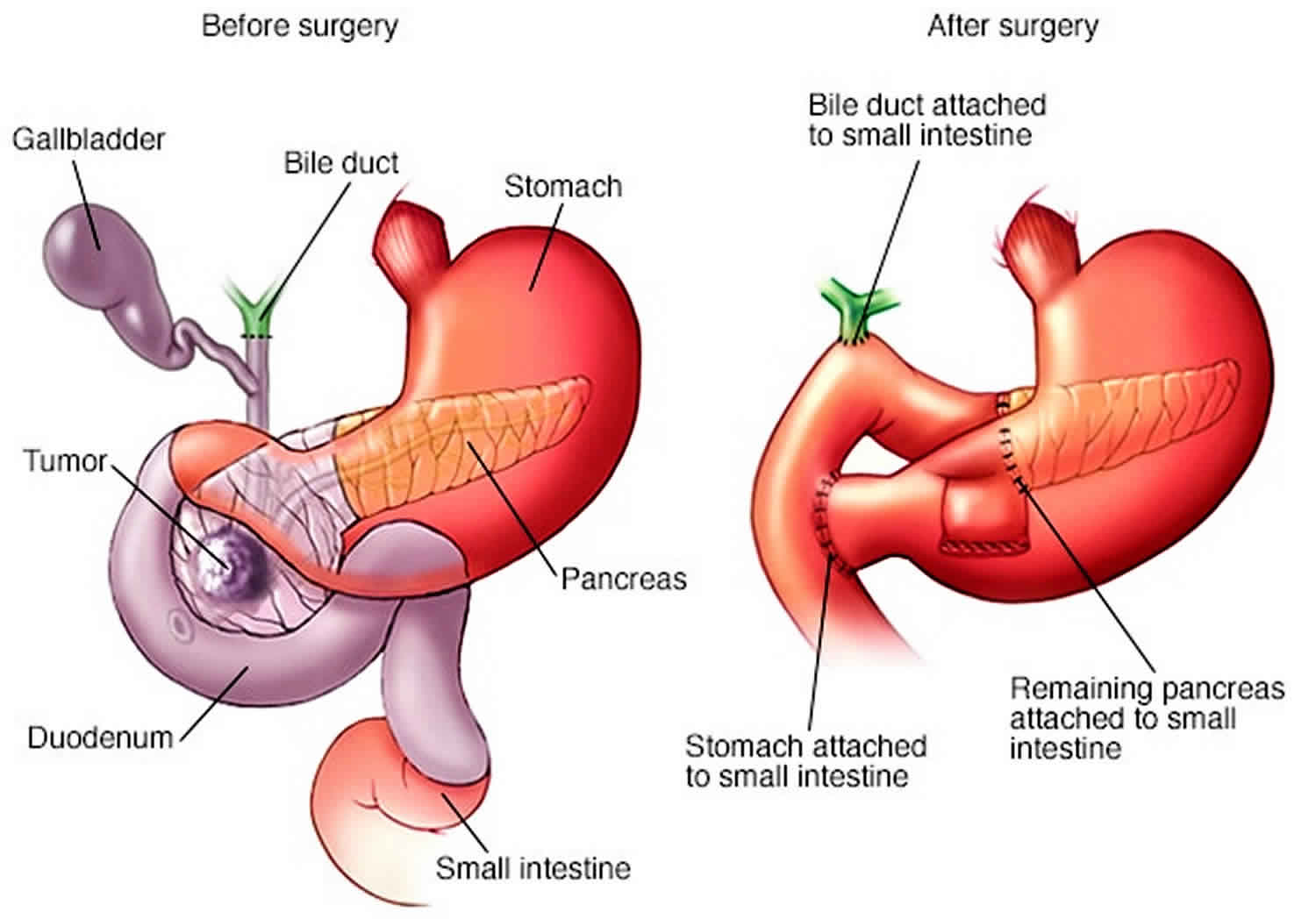
Undergoing a Whipple operation, also known as a pancreaticoduodenectomy, is a significant surgical procedure that involves the removal of the head of the pancreas, the gallbladder, part of the bile duct, and sometimes part of the stomach. Recovery from Whipple operation can be a challenging journey, but with the right information and support, patients can navigate this process more effectively.
Understanding the Whipple Operation
The Whipple operation is typically performed to treat pancreatic cancer, as well as other conditions such as chronic pancreatitis, benign tumors, and certain types of cysts. The surgery aims to remove the affected areas while preserving as much of the digestive system as possible. The procedure is complex and requires a skilled surgical team to ensure the best possible outcomes.
Immediate Post-Operative Care
After the surgery, patients are closely monitored in the intensive care unit (ICU) or a specialized surgical ward. The immediate post-operative care focuses on managing pain, preventing infections, and ensuring proper healing. Key aspects of this phase include:
- Pain management through medication.
- Monitoring vital signs and fluid balance.
- Preventing complications such as infections and blood clots.
- Gradual introduction of a liquid diet to assess tolerance.
Diet and Nutrition During Recovery
Nutrition plays a crucial role in recovery from Whipple operation. Patients often experience changes in their digestive system, which can affect their ability to absorb nutrients. A balanced diet is essential to support healing and maintain overall health. Here are some key points to consider:
- Start with a liquid diet and gradually transition to soft foods.
- Incorporate small, frequent meals to aid digestion.
- Focus on nutrient-dense foods such as lean proteins, whole grains, and fruits and vegetables.
- Avoid high-fat and high-fiber foods initially, as they can be difficult to digest.
Managing Pain and Discomfort
Pain management is a critical aspect of recovery from Whipple operation. Patients may experience varying levels of discomfort, which can be managed through a combination of medications and non-pharmacological methods. Some effective strategies include:
- Prescription pain medications as directed by the healthcare team.
- Over-the-counter pain relievers for mild discomfort.
- Physical therapy and gentle exercises to improve mobility and reduce stiffness.
- Relaxation techniques such as deep breathing, meditation, and yoga.
Physical Activity and Rehabilitation
Gradual physical activity is essential for recovery from Whipple operation. It helps improve strength, flexibility, and overall well-being. Patients should follow a rehabilitation plan tailored to their specific needs. Key components of physical rehabilitation include:
- Short walks to increase mobility and endurance.
- Gentle stretching exercises to improve flexibility.
- Strengthening exercises to rebuild muscle mass.
- Breathing exercises to enhance lung function.
Emotional Support and Mental Health
Recovery from Whipple operation is not just physical; it also involves emotional and mental well-being. Patients may experience a range of emotions, including anxiety, depression, and fear. Seeking emotional support is crucial during this time. Some helpful strategies include:
- Joining support groups for patients who have undergone similar surgeries.
- Engaging in counseling or therapy sessions.
- Maintaining open communication with family and friends.
- Practicing mindfulness and stress-reduction techniques.
Follow-Up Care and Monitoring
Regular follow-up appointments are essential for monitoring progress and detecting any potential complications. Patients should attend all scheduled appointments and communicate any concerns or symptoms to their healthcare team. Key aspects of follow-up care include:
- Regular check-ups with the surgical team.
- Blood tests and imaging studies to monitor for recurrence or complications.
- Nutritional assessments to ensure adequate intake and absorption of nutrients.
- Adjustments to medications and treatment plans as needed.
Potential Complications and How to Manage Them
While recovery from Whipple operation can be successful, there are potential complications that patients should be aware of. Early detection and management of these issues can improve outcomes. Common complications include:
| Complication | Symptoms | Management |
|---|---|---|
| Infection | Fever, chills, redness, swelling, or discharge from the incision site. | Antibiotics and wound care. |
| Bleeding | Excessive bleeding from the incision site, dizziness, or rapid heartbeat. | Blood transfusions and surgical intervention if necessary. |
| Pancreatic Fistula | Abdominal pain, fever, and drainage from the incision site. | Drainage and nutritional support. |
| Delayed Gastric Emptying | Nausea, vomiting, and bloating. | Medications to improve gastric motility and dietary adjustments. |
📝 Note: If you experience any of these symptoms, contact your healthcare provider immediately for evaluation and treatment.
Long-Term Considerations
Recovery from Whipple operation is an ongoing process that extends beyond the immediate post-operative period. Long-term considerations include maintaining a healthy lifestyle, regular follow-up care, and being vigilant for any signs of recurrence. Key points to remember include:
- Adopting a balanced diet and regular exercise routine.
- Attending all scheduled follow-up appointments.
- Monitoring for any changes in health or symptoms.
- Seeking support from healthcare providers and support groups.
Recovery from Whipple operation is a multifaceted journey that requires patience, dedication, and support. By understanding the surgical process, managing pain and discomfort, focusing on nutrition and physical activity, seeking emotional support, and maintaining regular follow-up care, patients can navigate this challenging time more effectively. Long-term considerations, including a healthy lifestyle and vigilant monitoring, are essential for sustained well-being and quality of life.
Related Terms:
- recovering from whipple procedure
- whipple procedure before and after
- normal life after whipple surgery
- whipple recovery back to normal
- recovering from whipple surgery
- recovery time after whipple surgery