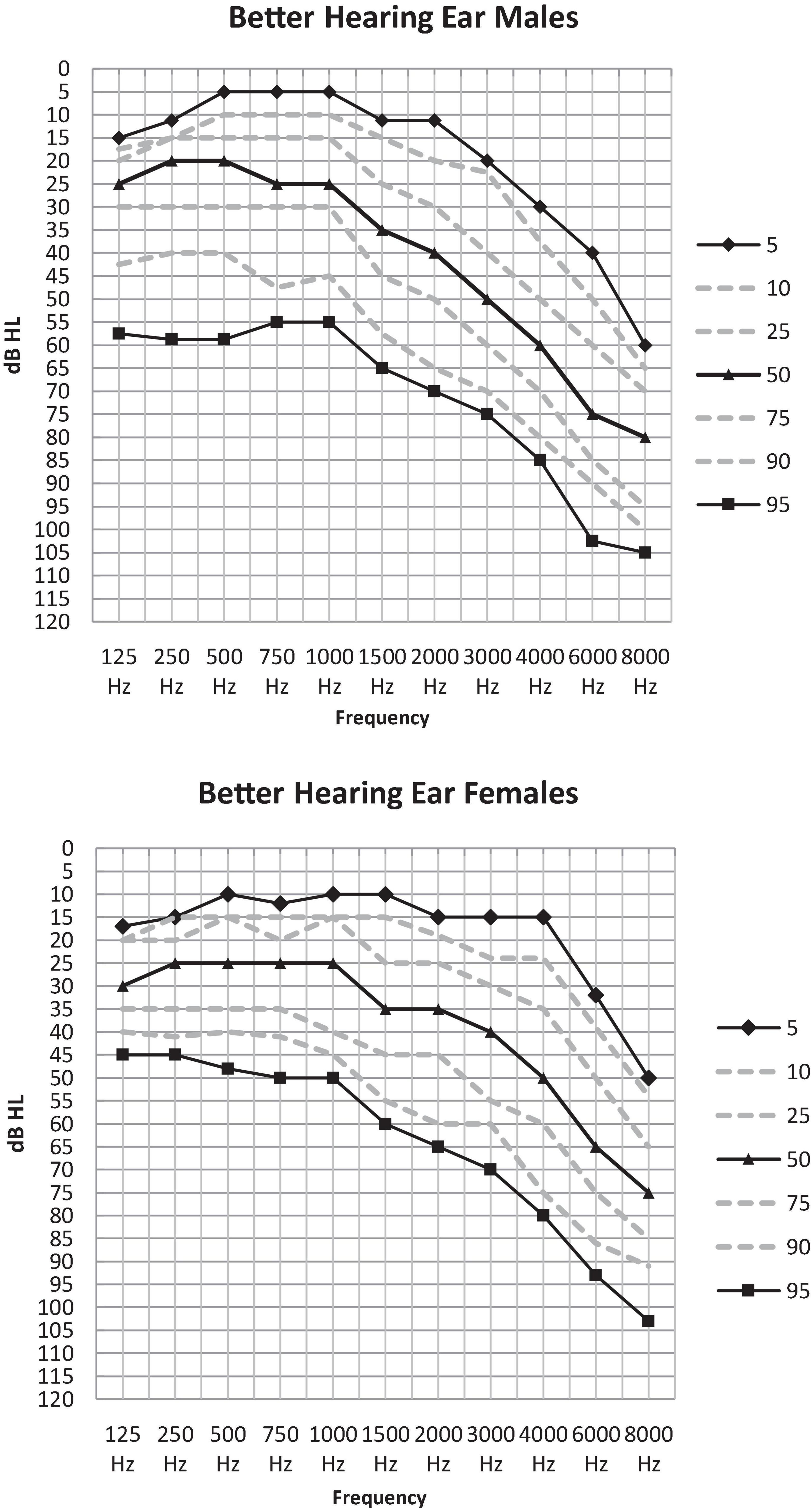
The human ear is a remarkable organ that allows us to perceive a wide range of sounds, from the soft rustling of leaves to the thunderous roar of a jet engine. Understanding the range of human ear is crucial for various fields, including audio engineering, music production, and healthcare. This post delves into the intricacies of human hearing, exploring the frequency and amplitude ranges, the anatomy of the ear, and the factors that can affect hearing ability.
The Anatomy of the Ear
The human ear is divided into three main parts: the outer ear, the middle ear, and the inner ear. Each part plays a crucial role in the process of hearing.
The Outer Ear
The outer ear consists of the pinna (the visible part of the ear) and the ear canal. The pinna collects sound waves and funnels them into the ear canal, which directs the sound to the eardrum. The outer ear also helps in localizing the source of sounds.
The Middle Ear
The middle ear contains three tiny bones known as the ossicles: the malleus (hammer), incus (anvil), and stapes (stirrup). These bones amplify and transmit the vibrations from the eardrum to the inner ear. The Eustachian tube, which connects the middle ear to the nasopharynx, helps to equalize pressure on both sides of the eardrum.
The Inner Ear
The inner ear is home to the cochlea, a spiral-shaped structure filled with fluid and lined with tiny hair cells. These hair cells convert the mechanical vibrations into electrical signals that are sent to the brain via the auditory nerve. The inner ear also contains the vestibular system, which is responsible for balance and spatial orientation.
The Range of Human Ear
The range of human ear encompasses both frequency and amplitude. Understanding these ranges is essential for designing audio equipment, creating music, and diagnosing hearing issues.
Frequency Range
The frequency range of human hearing typically spans from 20 Hz to 20,000 Hz (20 kHz). However, this range can vary with age and individual differences. Infants and young children can often hear higher frequencies, while older adults may experience a gradual loss of high-frequency hearing.
Here is a breakdown of the frequency ranges and their corresponding sounds:
| Frequency Range | Common Sounds |
|---|---|
| 20 Hz - 60 Hz | Low rumble, thunder, some musical instruments |
| 60 Hz - 250 Hz | Deep male voices, some musical instruments, low-frequency sounds |
| 250 Hz - 2,000 Hz | Human speech, most musical instruments, environmental sounds |
| 2,000 Hz - 6,000 Hz | High-pitched voices, some musical instruments, consonants in speech |
| 6,000 Hz - 20,000 Hz | High-pitched sounds, some musical instruments, ultrasonic sounds |
It's important to note that while the upper limit of human hearing is generally considered to be 20 kHz, some individuals, particularly younger people, may be able to hear frequencies up to 22 kHz or slightly higher. Conversely, hearing loss can significantly reduce the upper frequency limit.
Amplitude Range
The amplitude range of human hearing refers to the difference between the softest and loudest sounds that can be perceived. The softest sound that can be heard is known as the threshold of hearing, while the loudest sound that can be tolerated without discomfort is known as the threshold of pain.
The range of human hearing in terms of amplitude is approximately 120 decibels (dB). The threshold of hearing is around 0 dB, while the threshold of pain is around 120 dB. This wide range allows humans to perceive a vast array of sounds, from the faintest whispers to the loudest explosions.
Here is a breakdown of the amplitude ranges and their corresponding sounds:
| Amplitude Range (dB) | Common Sounds |
|---|---|
| 0 dB - 20 dB | Whisper, rustling leaves, quiet breathing |
| 20 dB - 40 dB | Soft conversation, quiet office, refrigerator hum |
| 40 dB - 60 dB | Normal conversation, background music, quiet street |
| 60 dB - 80 dB | Loud conversation, busy street, vacuum cleaner |
| 80 dB - 100 dB | Lawnmower, heavy traffic, loud music |
| 100 dB - 120 dB | Jet engine, rock concert, thunderclap |
Exposure to loud noises can cause temporary or permanent hearing loss. It is essential to protect the ears from prolonged exposure to sounds above 85 dB to prevent hearing damage.
🔍 Note: The decibel scale is logarithmic, meaning that each increase of 10 dB represents a tenfold increase in sound intensity. For example, a sound at 60 dB is ten times louder than a sound at 50 dB.
Factors Affecting the Range of Human Ear
Several factors can influence the range of human hearing, including age, genetics, and environmental factors. Understanding these factors can help in diagnosing and treating hearing issues.
Age
As people age, the range of human ear tends to decrease, particularly in the high-frequency range. This age-related hearing loss, known as presbycusis, is a common condition that affects many older adults. Presbycusis is often characterized by a gradual loss of hearing sensitivity, particularly in the higher frequencies.
Genetics
Genetic factors can also play a significant role in determining the range of human hearing. Some individuals may be predisposed to hearing loss due to genetic mutations or inherited conditions. For example, certain genetic disorders, such as Waardenburg syndrome and Usher syndrome, can cause hearing loss and other sensory impairments.
Environmental Factors
Exposure to loud noises, certain medications, and ear infections can all affect the range of human hearing. Prolonged exposure to loud noises, such as those from heavy machinery, power tools, or loud music, can cause noise-induced hearing loss. This type of hearing loss is often characterized by a gradual loss of hearing sensitivity, particularly in the higher frequencies.
Certain medications, known as ototoxic drugs, can also cause hearing loss. These drugs can damage the inner ear or the auditory nerve, leading to temporary or permanent hearing loss. Common ototoxic drugs include some antibiotics, chemotherapy drugs, and certain pain relievers.
Ear infections, particularly those that affect the middle ear, can cause temporary hearing loss. These infections can cause fluid buildup in the middle ear, which can interfere with the transmission of sound vibrations to the inner ear. In most cases, the hearing loss is temporary and resolves once the infection is treated.
🔍 Note: Regular hearing check-ups can help detect hearing loss early and prevent further damage. If you experience any symptoms of hearing loss, such as difficulty understanding speech, ringing in the ears, or a feeling of fullness in the ears, consult a healthcare professional.
Diagnosing Hearing Issues
Diagnosing hearing issues involves a series of tests and evaluations to determine the type and extent of hearing loss. These tests can help healthcare professionals develop an appropriate treatment plan.
Audiometric Testing
Audiometric testing is the most common method for diagnosing hearing loss. This test involves listening to a series of tones at different frequencies and volumes through headphones. The results are plotted on an audiogram, which shows the range of human ear and the extent of hearing loss.
Audiometric testing can help identify the type of hearing loss, such as conductive hearing loss (caused by problems in the outer or middle ear) or sensorineural hearing loss (caused by problems in the inner ear or auditory nerve).
Tympanometry
Tympanometry is a test that measures the movement of the eardrum in response to changes in air pressure. This test can help identify problems in the middle ear, such as fluid buildup or eardrum perforation. Tympanometry is often used in conjunction with audiometric testing to provide a comprehensive evaluation of hearing ability.
Otoacoustic Emissions (OAE) Testing
Otoacoustic emissions testing is a non-invasive test that measures the sounds produced by the inner ear in response to external stimuli. This test can help identify problems in the inner ear, such as damage to the hair cells or auditory nerve. OAE testing is often used to screen newborns for hearing loss and to monitor hearing ability in individuals with known hearing issues.
🔍 Note: Early diagnosis and treatment of hearing loss can significantly improve quality of life and prevent further damage to the auditory system.
Treating Hearing Issues
Treating hearing issues involves a variety of approaches, depending on the type and extent of hearing loss. The goal of treatment is to improve hearing ability and enhance quality of life.
Hearing Aids
Hearing aids are electronic devices that amplify sounds and make them easier to hear. They are commonly used to treat sensorineural hearing loss and can significantly improve hearing ability in individuals with mild to moderate hearing loss. Hearing aids come in various styles and sizes, including behind-the-ear (BTE), in-the-ear (ITE), and completely-in-the-canal (CIC) models.
Cochlear Implants
Cochlear implants are surgical devices that bypass the damaged parts of the inner ear and directly stimulate the auditory nerve. They are typically used for individuals with severe to profound hearing loss who do not benefit from hearing aids. Cochlear implants can provide a sense of sound and improve speech understanding in individuals with significant hearing loss.
Assistive Listening Devices
Assistive listening devices (ALDs) are tools that help individuals with hearing loss in specific situations, such as watching television, attending meetings, or using the telephone. ALDs can include FM systems, infrared systems, and induction loop systems, which amplify sounds and reduce background noise.
Auditory Training
Auditory training involves exercises and activities designed to improve hearing ability and speech understanding. These exercises can help individuals with hearing loss better interpret and respond to sounds in their environment. Auditory training is often used in conjunction with other treatments, such as hearing aids or cochlear implants, to enhance overall hearing ability.
🔍 Note: Regular follow-ups with a healthcare professional can help monitor hearing ability and adjust treatment plans as needed.
Preventing Hearing Loss
Preventing hearing loss involves taking proactive steps to protect the ears from damage and maintain optimal hearing ability. Here are some strategies to prevent hearing loss:
- Protect Your Ears from Loud Noises: Wear earplugs or earmuffs when exposed to loud noises, such as those from power tools, heavy machinery, or loud music.
- Limit Exposure to Loud Sounds: Avoid prolonged exposure to loud noises and take breaks to give your ears a rest.
- Avoid Ototoxic Drugs: Be cautious when taking medications that can cause hearing loss and consult your healthcare provider if you have concerns.
- Get Regular Hearing Check-Ups: Regular hearing check-ups can help detect hearing loss early and prevent further damage.
- Maintain a Healthy Lifestyle: A healthy lifestyle, including a balanced diet and regular exercise, can help maintain overall health and hearing ability.
By taking these steps, you can help protect your ears and maintain optimal hearing ability throughout your life.
Hearing loss is a common condition that can significantly impact quality of life. Understanding the range of human ear, the factors that affect hearing ability, and the available treatments can help individuals with hearing loss take proactive steps to improve their hearing and enhance their overall well-being. Regular hearing check-ups, early diagnosis, and appropriate treatment can make a significant difference in managing hearing loss and maintaining optimal hearing ability.
Related Terms:
- typical range of human hearing
- human hearing frequency range chart
- audible range for humans
- human hearing range chart
- highest pitch human can hear
- human hearing frequency chart