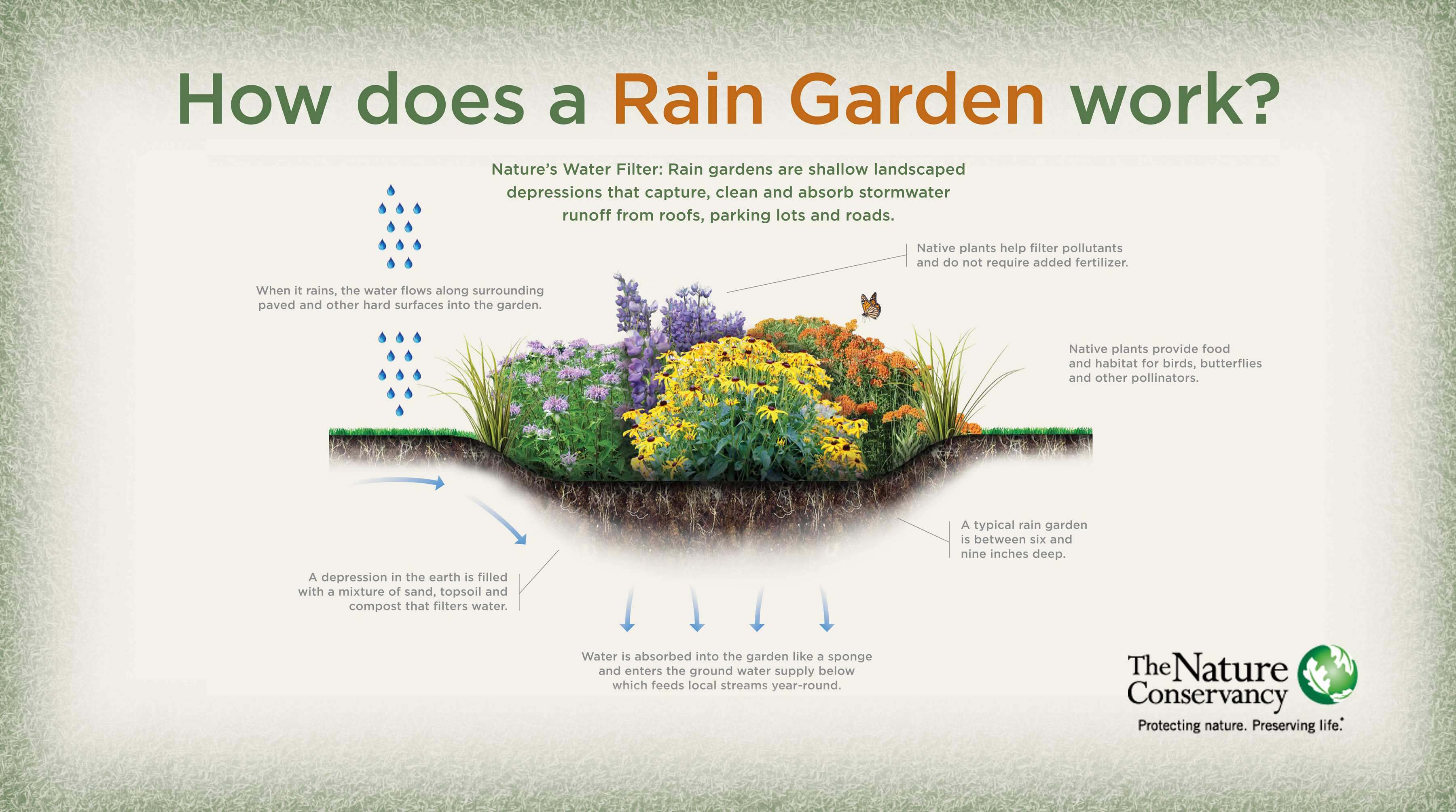
Rain gardens are a beautiful and functional addition to any landscape, offering both aesthetic appeal and environmental benefits. These gardens are designed to capture and filter rainwater, reducing runoff and promoting groundwater recharge. By incorporating native plants and strategic design elements, rain garden designs can transform ordinary spaces into thriving ecosystems. This post will delve into the intricacies of rain garden designs, from planning and planting to maintenance and benefits.
Understanding Rain Gardens
Rain gardens are specially designed landscapes that collect and absorb rainwater from rooftops, driveways, and other hard surfaces. They are typically shallow depressions filled with native plants, soil, and mulch. The primary goal of a rain garden is to mimic natural processes by allowing water to infiltrate the soil, reducing the amount of runoff that enters storm drains and waterways.
Rain gardens are not only functional but also visually appealing. They can be integrated into various landscapes, from residential gardens to public parks, enhancing the overall beauty of the environment while providing ecological benefits.
Benefits of Rain Garden Designs
Rain garden designs offer a multitude of benefits, making them an excellent choice for both homeowners and communities. Some of the key advantages include:
- Water Quality Improvement: Rain gardens help filter pollutants and sediments from rainwater, improving the quality of water that reaches local streams and rivers.
- Groundwater Recharge: By allowing water to infiltrate the soil, rain gardens replenish groundwater supplies, which is crucial for maintaining healthy ecosystems.
- Flood Mitigation: Rain gardens can reduce the risk of flooding by absorbing excess rainwater, preventing it from overwhelming storm drains and causing waterlogging.
- Aesthetic Appeal: These gardens can be designed to complement any landscape, adding beauty and biodiversity to the environment.
- Habitat Creation: Rain gardens provide a habitat for local wildlife, including birds, butterflies, and beneficial insects.
Planning Your Rain Garden Design
Before diving into the creation of a rain garden, it's essential to plan carefully. Here are the steps to consider:
Site Selection
Choose a location that is at least 10 feet away from your home's foundation to avoid water damage. The site should be in a natural depression or low-lying area where water tends to collect. Ensure the area has good drainage and is not prone to waterlogging.
Size and Shape
The size and shape of your rain garden will depend on the amount of rainwater you want to capture and the available space. A general rule of thumb is to design the garden to be about 20% of the size of the area it will capture water from. For example, if you have a 1,000 square foot roof, your rain garden should be around 200 square feet.
As for the shape, rain gardens can be designed in various forms, including kidney-shaped, oval, or irregular shapes, depending on the layout of your landscape.
Soil Preparation
Soil quality is crucial for the success of a rain garden. The soil should be well-draining and rich in organic matter. If your soil is heavy clay or sand, you may need to amend it with compost or other organic materials to improve its structure and water-holding capacity.
Dig the garden area to a depth of about 6-8 inches, removing any weeds or grass. Mix in a layer of compost or well-rotted manure to enhance soil fertility.
Planting Your Rain Garden
Selecting the right plants is essential for a thriving rain garden. Native plants are ideal as they are adapted to local conditions and require less maintenance. Choose a mix of plants that can tolerate both wet and dry conditions, as rain gardens can experience fluctuations in moisture levels.
Here are some plant categories to consider:
- Grasses: These provide structure and texture. Examples include switchgrass, little bluestem, and Indian grass.
- Shrubs: Add height and visual interest. Consider plants like buttonbush, red-osier dogwood, and ninebark.
- Perennials: Offer a variety of colors and textures. Some good choices are coneflowers, black-eyed Susans, and cardinal flowers.
When planting, ensure that the plants are spaced appropriately to allow for growth and water flow. Place taller plants in the center and shorter ones around the edges to create a natural gradient.
Maintenance Tips for Rain Garden Designs
Once your rain garden is established, regular maintenance is key to keeping it healthy and functional. Here are some tips to follow:
- Watering: During the first year, water your rain garden regularly to help the plants establish strong root systems. After that, rain gardens should be self-sustaining.
- Weeding: Remove any weeds that may compete with your plants for water and nutrients.
- Mulching: Apply a layer of organic mulch around the plants to retain moisture, suppress weeds, and regulate soil temperature.
- Pruning: Prune plants as needed to maintain their shape and encourage healthy growth.
Regularly inspect your rain garden for any signs of pests or diseases and address them promptly to prevent spread.
🌱 Note: Avoid using pesticides or herbicides in your rain garden, as they can harm beneficial insects and contaminate water.
Common Mistakes to Avoid in Rain Garden Designs
While rain gardens are relatively straightforward to create, there are some common mistakes to avoid:
- Poor Site Selection: Choosing a location that is too close to your home or in an area with poor drainage can lead to water damage and flooding.
- Inadequate Soil Preparation: Failing to amend the soil with organic matter can result in poor plant growth and water retention.
- Incorrect Plant Selection: Choosing plants that are not suited to your climate or soil conditions can lead to poor performance and high maintenance requirements.
- Neglecting Maintenance: Regular upkeep is essential to keep your rain garden healthy and functional. Neglecting maintenance can lead to weed infestations and plant decline.
Case Studies: Successful Rain Garden Designs
To inspire your own rain garden project, let's look at a few successful examples:
Residential Rain Garden
In a suburban neighborhood, a homeowner created a rain garden to manage runoff from their roof and driveway. The garden was designed with a mix of native grasses, shrubs, and perennials, creating a beautiful and functional space. The homeowner reported a significant reduction in water runoff and an increase in local wildlife, including birds and butterflies.
Community Rain Garden
A local community center transformed a barren area into a thriving rain garden. The garden was designed to capture runoff from the surrounding parking lot and buildings. The project included educational components, teaching community members about the benefits of rain gardens and how to create their own. The garden has become a popular gathering spot and a source of pride for the community.
School Rain Garden
A school integrated a rain garden into its landscape to educate students about environmental stewardship. The garden was designed to capture runoff from the school's roof and playground. Students participated in the planting and maintenance of the garden, learning about native plants and water conservation. The garden has become a valuable educational tool and a beautiful addition to the school's grounds.
Conclusion
Rain garden designs offer a multitude of benefits, from improving water quality to enhancing the aesthetic appeal of your landscape. By carefully planning, selecting the right plants, and maintaining your rain garden, you can create a thriving ecosystem that supports local wildlife and promotes environmental sustainability. Whether you’re a homeowner looking to manage runoff or a community seeking to enhance public spaces, rain gardens are a valuable addition to any landscape.
Related Terms:
- rain garden diagrams
- small rain garden ideas
- garden ideas for flooding
- rain garden before and after
- rain garden details
- rain garden photos