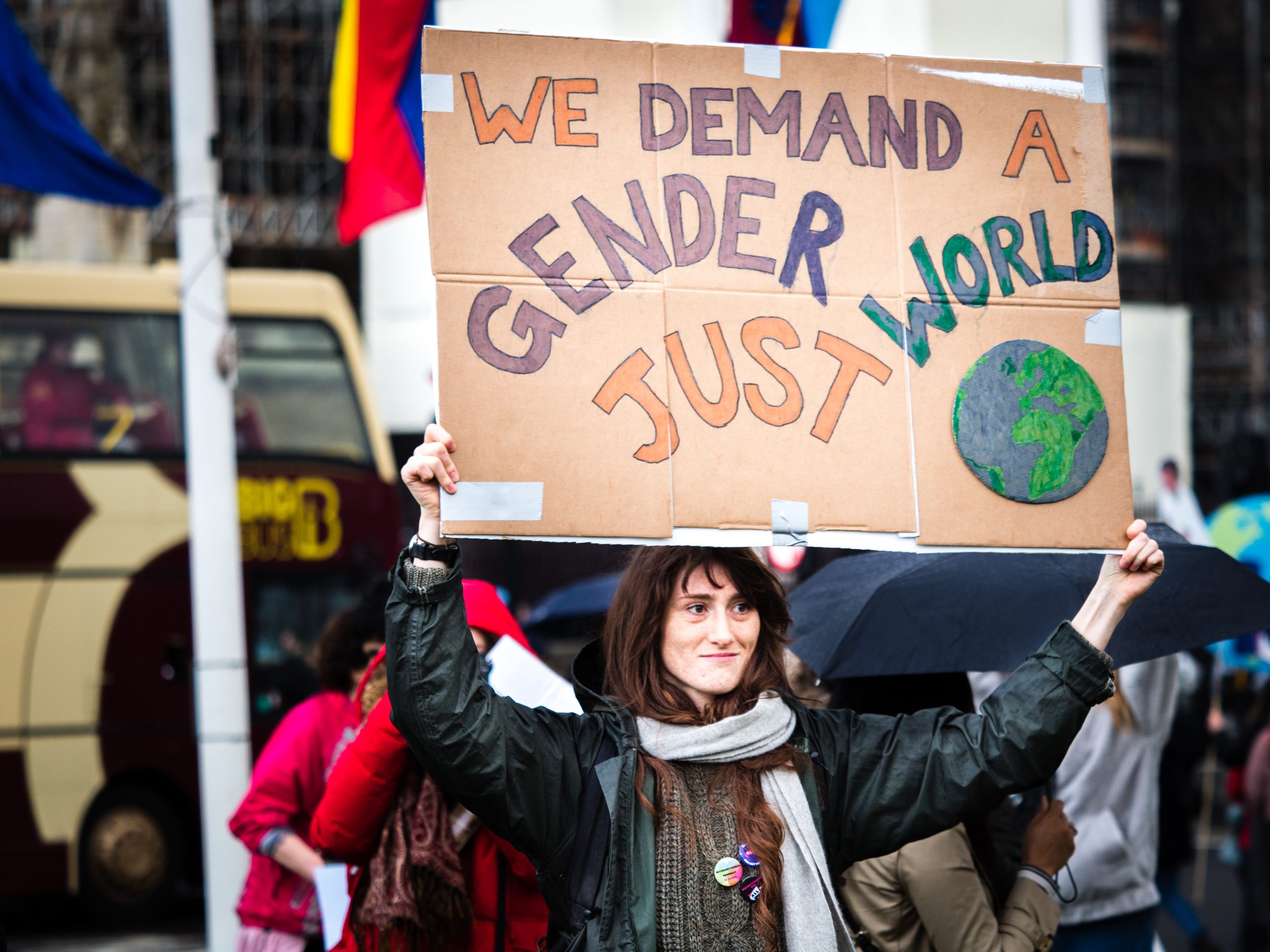
Feminism is a complex and multifaceted movement that has evolved over centuries, aiming to achieve gender equality and challenge societal norms that perpetuate inequality. As the world continues to grapple with various forms of discrimination and injustice, questions about feminism have become increasingly relevant. This blog post aims to explore the core principles of feminism, address common misconceptions, and delve into the ongoing debates within the movement.
Understanding the Core Principles of Feminism
Feminism is rooted in the belief that all individuals, regardless of gender, should have equal rights and opportunities. The movement seeks to dismantle patriarchal structures that have historically marginalized women and other gender minorities. Key principles of feminism include:
- Equality: Ensuring that women and men have the same rights and opportunities in all aspects of life, including education, employment, and political representation.
- Empowerment: Encouraging women to take control of their lives and make decisions that affect them, both individually and collectively.
- Intersectionality: Recognizing that gender inequality is compounded by other forms of discrimination, such as race, class, and sexuality.
- Justice: Advocating for legal and social changes that address the systemic issues that perpetuate gender inequality.
Addressing Common Misconceptions About Feminism
Despite its noble goals, feminism often faces criticism and misconceptions. Addressing these misconceptions is crucial for fostering a more inclusive and understanding society. Some of the most common misconceptions include:
- Feminism is Anti-Men: This is a prevalent myth that suggests feminism seeks to oppress men. In reality, feminism advocates for equality for all genders, recognizing that men also face unique challenges and forms of oppression.
- Feminism is Only for Women: While feminism primarily focuses on issues affecting women, it is a movement that welcomes and benefits people of all genders. Men can and do play crucial roles in advocating for gender equality.
- Feminism is a Monolithic Movement: Feminism encompasses a diverse range of perspectives and approaches. Different branches of feminism, such as liberal feminism, radical feminism, and intersectional feminism, offer varied strategies and priorities.
The Evolution of Feminism
Feminism has evolved through several waves, each marked by distinct goals and achievements. Understanding this evolution helps contextualize the current state of the movement and the ongoing questions about feminism.
First-Wave Feminism
The first wave of feminism, which emerged in the late 19th and early 20th centuries, focused primarily on legal issues, particularly women's suffrage. Key achievements include:
- The passage of the 19th Amendment in the United States, granting women the right to vote.
- The establishment of women's rights organizations and advocacy groups.
Second-Wave Feminism
The second wave, which began in the 1960s, expanded the scope of feminism to include a broader range of issues, such as reproductive rights, workplace equality, and domestic violence. Notable milestones include:
- The publication of Betty Friedan's "The Feminine Mystique," which challenged traditional gender roles.
- The passage of the Equal Pay Act in the United States, aimed at closing the gender wage gap.
Third-Wave Feminism
The third wave, emerging in the 1990s, emphasized the diversity of women's experiences and the importance of intersectionality. This wave sought to address the limitations of previous waves by including the voices of women from different racial, ethnic, and socioeconomic backgrounds. Key developments include:
- The rise of intersectional feminism, which recognizes the interconnected nature of social identities and forms of oppression.
- The growth of online activism and social media platforms, which have provided new avenues for feminist advocacy.
Fourth-Wave Feminism
The fourth wave, which began in the early 2010s, is characterized by its use of digital media and social activism. This wave has focused on issues such as sexual harassment, body positivity, and the #MeToo movement. Notable achievements include:
- The widespread use of social media to raise awareness about gender-based violence and discrimination.
- The passage of legislation aimed at addressing workplace harassment and discrimination.
Ongoing Debates Within Feminism
Feminism is not a monolithic movement, and there are ongoing debates and discussions within the community. These debates reflect the diversity of perspectives and the evolving nature of the movement. Some of the key debates include:
Intersectionality vs. Single-Issue Focus
One of the most significant debates within feminism is the tension between intersectionality and single-issue focus. Intersectional feminists argue that all forms of oppression are interconnected and must be addressed simultaneously. In contrast, some feminists focus on specific issues, such as reproductive rights or workplace equality, believing that addressing these issues will ultimately lead to broader gender equality.
Inclusive Language and Terminology
Another ongoing debate revolves around inclusive language and terminology. Feminists are continually grappling with how to use language that is inclusive of all gender identities and experiences. This includes discussions about the use of terms like "woman" versus "person with a uterus" and the importance of recognizing non-binary and transgender identities.
The Role of Men in Feminism
There is also debate about the role of men in feminism. Some argue that men should be actively involved in the movement, while others believe that men should take a step back and allow women to lead the conversation. This debate highlights the complexities of allyship and the importance of recognizing the unique challenges faced by men and women.
The Impact of Feminism on Society
Feminism has had a profound impact on society, challenging traditional gender roles and advocating for equality. Some of the most significant impacts include:
- Legal and Political Changes: Feminism has led to numerous legal and political changes, including the passage of laws aimed at addressing gender discrimination and violence.
- Educational Opportunities: Feminism has expanded educational opportunities for women, leading to increased representation in fields such as science, technology, engineering, and mathematics (STEM).
- Workplace Equality: Feminism has advocated for workplace equality, including equal pay and opportunities for advancement.
- Cultural Shifts: Feminism has challenged traditional gender roles and stereotypes, leading to cultural shifts in how society views and treats women.
These impacts are evident in various aspects of society, from the workplace to the home, and continue to shape the ongoing questions about feminism.
Challenges Facing Feminism Today
Despite its achievements, feminism still faces significant challenges. Addressing these challenges is crucial for the continued progress of the movement. Some of the key challenges include:
- Backlash and Resistance: Feminism often faces backlash and resistance from those who oppose gender equality. This resistance can take various forms, including political opposition, social stigma, and even violence.
- Intersectional Inequalities: While feminism has made significant strides in addressing gender inequality, intersectional inequalities persist. Women from marginalized communities, such as women of color, LGBTQ+ women, and women with disabilities, continue to face unique challenges and forms of oppression.
- Global Disparities: Gender inequality is a global issue, and the challenges faced by women vary widely across different regions and cultures. Addressing these disparities requires a global perspective and collaborative efforts.
These challenges highlight the ongoing need for feminist advocacy and the importance of addressing questions about feminism in a nuanced and inclusive manner.
The Future of Feminism
The future of feminism is shaped by the ongoing debates and challenges within the movement. As society continues to evolve, so too must feminism. Some of the key areas of focus for the future include:
- Intersectional Advocacy: Recognizing the interconnected nature of social identities and forms of oppression, future feminist advocacy will need to be intersectional, addressing the unique challenges faced by women from diverse backgrounds.
- Digital Activism: The use of digital media and social activism will continue to play a crucial role in feminist advocacy, providing new avenues for raising awareness and mobilizing support.
- Global Collaboration: Addressing global disparities in gender equality will require collaborative efforts and a global perspective, recognizing the unique challenges faced by women in different regions and cultures.
These areas of focus highlight the evolving nature of feminism and the ongoing questions about feminism that will shape the movement's future.

📝 Note: The image above is a representation of the feminist movement and its ongoing efforts to achieve gender equality.
Feminism has come a long way since its inception, evolving through various waves and addressing a wide range of issues. The movement’s impact on society is undeniable, from legal and political changes to cultural shifts. However, there is still much work to be done. Addressing the ongoing debates and challenges within feminism, as well as the unique challenges faced by women from diverse backgrounds, will be crucial for the continued progress of the movement. As we look to the future, it is essential to recognize the interconnected nature of social identities and forms of oppression, and to advocate for a more inclusive and equitable society for all.
Related Terms:
- examples of gender questions
- questions about feminism for discussion
- gender identity questions to ask
- 36 feminist questions answered
- questions to ask about gender
- feminism questions and answers