In the realm of digital communications and signal processing, Pulse Frequency Modulation (PFM) stands out as a critical technique. PFM is a method of encoding information in the frequency of a series of pulses. This modulation technique is widely used in various applications, from wireless communications to control systems, due to its efficiency and simplicity. Understanding PFM involves delving into its principles, applications, and advantages over other modulation techniques.
Understanding Pulse Frequency Modulation
Pulse Frequency Modulation is a type of modulation where the frequency of the pulses varies in accordance with the amplitude of the input signal. Unlike other modulation techniques such as Pulse Width Modulation (PWM) or Pulse Amplitude Modulation (PAM), PFM focuses on changing the frequency of the pulses rather than their width or amplitude. This makes PFM particularly useful in scenarios where the frequency of the signal carries the information.
Principles of Pulse Frequency Modulation
To grasp the principles of PFM, it's essential to understand how the modulation process works. The basic steps involved in PFM are as follows:
- Signal Sampling: The input analog signal is sampled at regular intervals.
- Frequency Conversion: The amplitude of the sampled signal is converted into a corresponding frequency.
- Pulse Generation: Pulses are generated at the frequency determined by the amplitude of the sampled signal.
- Transmission: The modulated signal, consisting of pulses at varying frequencies, is transmitted.
This process ensures that the information contained in the amplitude of the input signal is encoded in the frequency of the output pulses. The receiver then demodulates the signal by converting the pulse frequency back into the original amplitude.
Applications of Pulse Frequency Modulation
Pulse Frequency Modulation finds applications in various fields due to its unique characteristics. Some of the key areas where PFM is used include:
- Wireless Communications: PFM is used in wireless communication systems to transmit data efficiently over long distances.
- Control Systems: In control systems, PFM is employed to modulate control signals, ensuring precise and reliable control.
- Audio Processing: PFM is used in audio processing to encode audio signals, providing high-quality sound reproduction.
- Medical Devices: In medical devices, PFM is utilized for transmitting physiological signals, such as heart rate and brain waves.
These applications highlight the versatility and effectiveness of PFM in different domains.
Advantages of Pulse Frequency Modulation
PFM offers several advantages over other modulation techniques, making it a preferred choice in many applications. Some of the key advantages include:
- Efficiency: PFM is highly efficient in terms of power consumption and bandwidth usage.
- Simplicity: The modulation and demodulation processes in PFM are relatively simple, making it easier to implement.
- Noise Immunity: PFM is less susceptible to noise and interference, ensuring reliable transmission of signals.
- High Dynamic Range: PFM provides a high dynamic range, making it suitable for applications requiring precise signal representation.
These advantages make PFM a robust choice for various signal processing and communication tasks.
Comparison with Other Modulation Techniques
To fully appreciate the benefits of PFM, it's useful to compare it with other modulation techniques such as Pulse Width Modulation (PWM) and Pulse Amplitude Modulation (PAM).
| Modulation Technique | Key Characteristics | Applications |
|---|---|---|
| Pulse Frequency Modulation (PFM) | Varies the frequency of pulses based on the input signal amplitude. | Wireless communications, control systems, audio processing, medical devices. |
| Pulse Width Modulation (PWM) | Varies the width of pulses based on the input signal amplitude. | Motor control, power electronics, digital communications. |
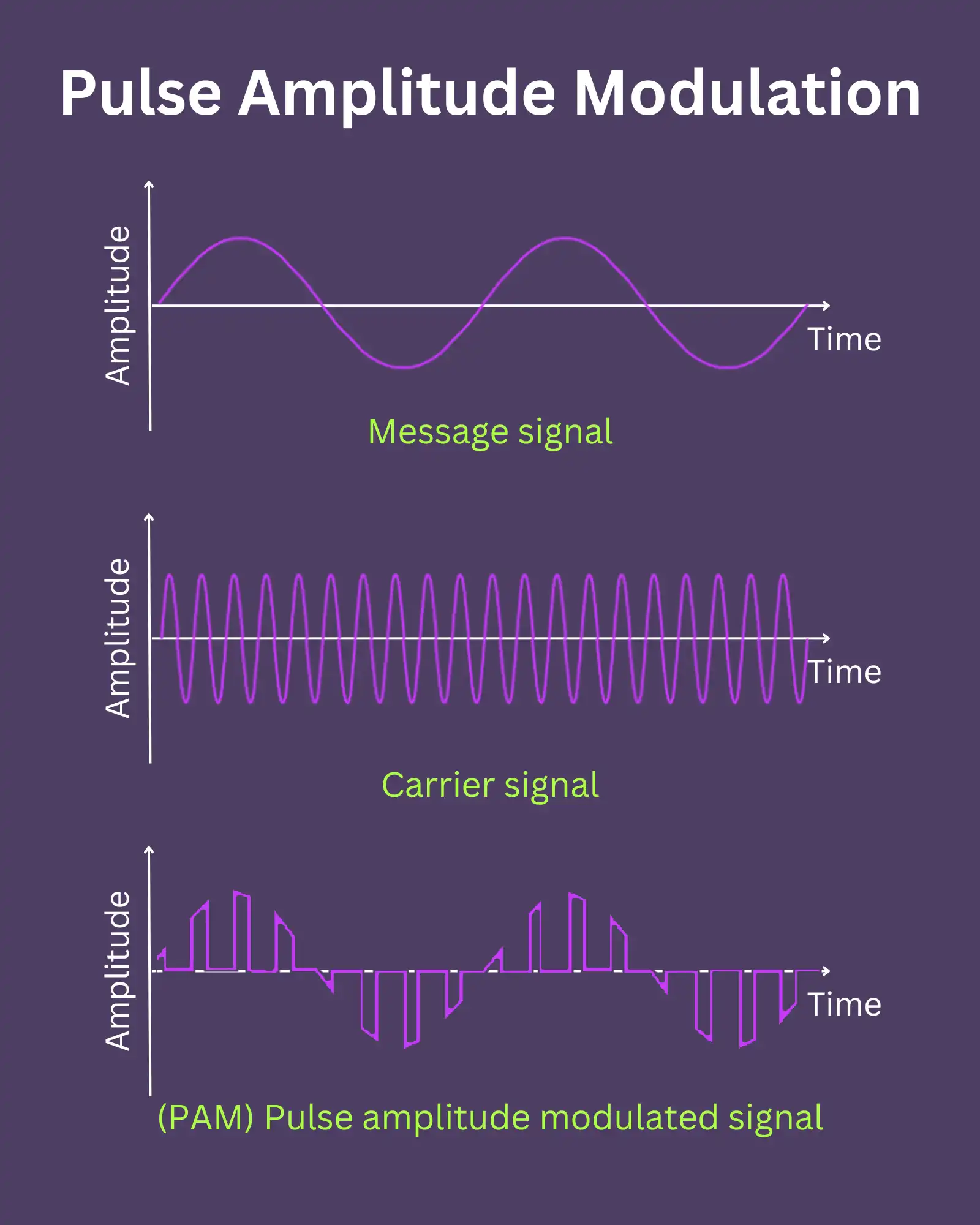
| Pulse Amplitude Modulation (PAM) | Varies the amplitude of pulses based on the input signal amplitude. | Telecommunications, data transmission, analog-to-digital conversion. |
Each modulation technique has its strengths and is suited to different applications. PFM's ability to encode information in the frequency of pulses makes it particularly effective in scenarios where frequency variation is crucial.
💡 Note: The choice of modulation technique depends on the specific requirements of the application, including factors such as power consumption, bandwidth, and noise immunity.
Implementation of Pulse Frequency Modulation
Implementing PFM involves several steps, from signal sampling to pulse generation and transmission. Here is a detailed overview of the implementation process:
- Signal Sampling: The input analog signal is sampled at regular intervals using an analog-to-digital converter (ADC). The sampling rate should be high enough to capture the essential features of the signal.
- Frequency Conversion: The sampled signal is then converted into a corresponding frequency. This can be done using a voltage-controlled oscillator (VCO) or a digital signal processor (DSP).
- Pulse Generation: Pulses are generated at the frequency determined by the amplitude of the sampled signal. This can be achieved using a pulse generator circuit or a digital logic circuit.
- Transmission: The modulated signal, consisting of pulses at varying frequencies, is transmitted over the communication channel. This can be done using a transmitter circuit or a wireless communication module.
The receiver then demodulates the signal by converting the pulse frequency back into the original amplitude. This involves detecting the frequency of the incoming pulses and converting it back into the corresponding amplitude using a frequency-to-voltage converter or a DSP.
💡 Note: The implementation of PFM requires careful design of the sampling, frequency conversion, and pulse generation stages to ensure accurate and reliable modulation.
Challenges and Limitations
While PFM offers numerous advantages, it also comes with certain challenges and limitations. Some of the key challenges include:
- Complexity in Frequency Conversion: Converting the amplitude of the input signal into a corresponding frequency can be complex and may require precise control of the VCO or DSP.
- Sensitivity to Jitter: PFM is sensitive to jitter, which can affect the accuracy of the modulated signal. Jitter can be caused by noise, interference, or imperfections in the pulse generation circuit.
- Bandwidth Requirements: PFM may require a higher bandwidth compared to other modulation techniques, especially for high-frequency signals.
Addressing these challenges requires careful design and optimization of the PFM system. Techniques such as jitter reduction, precise frequency control, and efficient bandwidth management can help mitigate these limitations.
PFM is a powerful modulation technique with wide-ranging applications in digital communications and signal processing. Its ability to encode information in the frequency of pulses makes it a valuable tool in various fields, from wireless communications to medical devices. By understanding the principles, applications, and advantages of PFM, one can effectively implement this technique in different scenarios, ensuring efficient and reliable signal transmission.
In summary, Pulse Frequency Modulation is a versatile and efficient modulation technique that plays a crucial role in modern communication systems. Its unique characteristics, such as high efficiency, simplicity, and noise immunity, make it a preferred choice for various applications. By addressing the challenges and limitations associated with PFM, one can harness its full potential, ensuring accurate and reliable signal transmission in diverse domains.
Related Terms:
- benefits of pulse frequency modulation
- pfm vs pwm
- pulse frequency modulation pfm
- pulse frequency modulation control
- what is pulse wave modulation
- pulse frequency modulation pdf