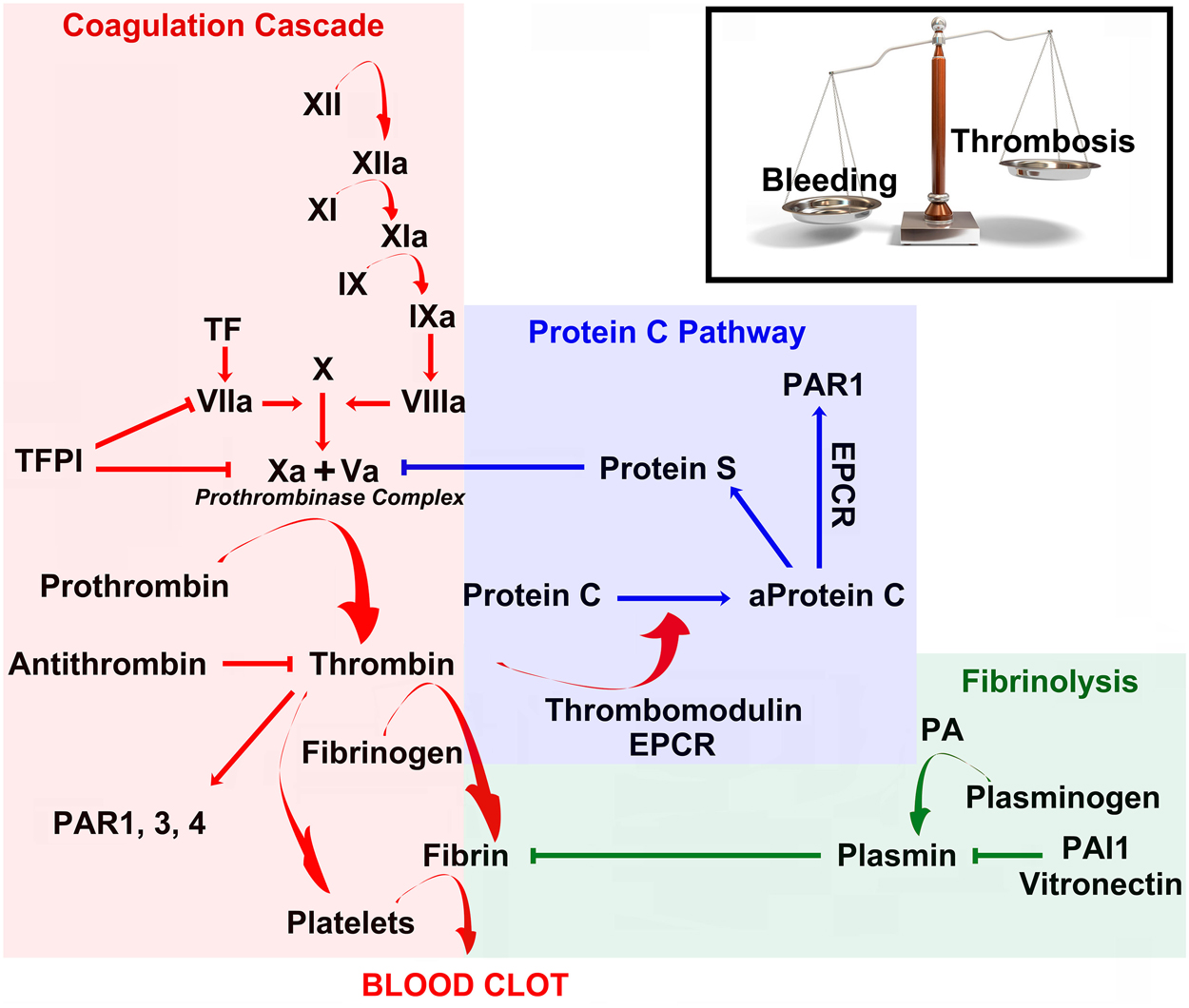
Blood clotting is a critical process that prevents excessive bleeding and promotes wound healing. However, when this process goes awry, it can lead to serious health issues such as thrombosis and embolism. Two key players in the regulation of blood clotting are Protein C and S. These proteins act as natural anticoagulants, helping to maintain the delicate balance between clotting and bleeding. Understanding the roles of Protein C and S is essential for comprehending the mechanisms behind blood clotting disorders and developing effective treatments.
Understanding Blood Clotting
Blood clotting, or coagulation, is a complex process involving a cascade of reactions that ultimately lead to the formation of a blood clot. This process is initiated by the exposure of blood to tissue factor, which activates a series of clotting factors. The clotting cascade can be divided into two main pathways: the extrinsic pathway and the intrinsic pathway. Both pathways converge on the common pathway, which results in the formation of a fibrin clot.
The Role of Protein C
Protein C is a vitamin K-dependent glycoprotein synthesized in the liver. It plays a crucial role in regulating blood coagulation by inactivating factors Va and VIIIa, which are essential for the clotting process. When activated, Protein C forms a complex with Protein S, enhancing its anticoagulant activity. This complex helps to limit the extent and duration of blood clotting, preventing the formation of excessive clots.
The Role of Protein S
Protein S is another vitamin K-dependent glycoprotein that acts as a cofactor for activated Protein C. It enhances the anticoagulant activity of Protein C by facilitating its interaction with factors Va and VIIIa. Protein S also has independent anticoagulant properties, as it can directly inhibit the prothrombinase complex, which is responsible for the conversion of prothrombin to thrombin. Additionally, Protein S plays a role in the clearance of apoptotic cells, contributing to the maintenance of vascular health.
Mechanisms of Action
Protein C and S work together to regulate blood clotting through a series of well-coordinated steps. Here’s a breakdown of their mechanisms of action:
- Activation of Protein C: Protein C is activated by thrombin bound to thrombomodulin, a protein expressed on the surface of endothelial cells. This activation is a key step in the regulation of blood clotting.
- Formation of the Protein C-Protein S Complex: Activated Protein C forms a complex with Protein S, which enhances its anticoagulant activity. This complex inactivates factors Va and VIIIa, reducing the production of thrombin and fibrin.
- Inhibition of Prothrombinase Complex: Protein S can directly inhibit the prothrombinase complex, which is responsible for the conversion of prothrombin to thrombin. This further reduces the formation of fibrin clots.
- Clearance of Apoptotic Cells: Protein S plays a role in the clearance of apoptotic cells, contributing to the maintenance of vascular health and preventing the formation of thrombi.
Clinical Significance of Protein C and S Deficiencies
Deficiencies in Protein C and S can lead to an increased risk of thrombosis, a condition characterized by the formation of blood clots in the veins or arteries. These deficiencies can be inherited or acquired. Inherited deficiencies are often due to genetic mutations that affect the production or function of these proteins. Acquired deficiencies can result from various conditions, such as liver disease, vitamin K deficiency, or the use of certain medications.
Diagnosis and Management
Diagnosing deficiencies in Protein C and S involves a combination of clinical evaluation and laboratory tests. The following steps are typically involved in the diagnostic process:
- Clinical Evaluation: A thorough medical history and physical examination are essential for identifying risk factors and symptoms associated with thrombosis.
- Laboratory Tests: Blood tests are used to measure the levels of Protein C and S. These tests can help confirm a deficiency and guide treatment decisions.
- Genetic Testing: In some cases, genetic testing may be recommended to identify mutations in the genes encoding Protein C and S.
Management of Protein C and S deficiencies focuses on preventing thrombosis and treating any existing clots. Treatment options may include:
- Anticoagulant Therapy: Medications such as warfarin or heparin are commonly used to prevent the formation of blood clots.
- Protein C and S Replacement Therapy: In severe cases, replacement therapy with purified Protein C and S concentrates may be necessary.
- Lifestyle Modifications: Maintaining a healthy lifestyle, including regular exercise, a balanced diet, and avoiding smoking, can help reduce the risk of thrombosis.
Table: Common Causes of Protein C and S Deficiencies
| Type of Deficiency | Common Causes |
|---|---|
| Inherited | Genetic mutations, family history of thrombosis |
| Acquired | Liver disease, vitamin K deficiency, use of certain medications (e.g., warfarin, heparin) |
📝 Note: It is important to consult with a healthcare provider for an accurate diagnosis and appropriate management of Protein C and S deficiencies.
Future Directions in Research
Research on Protein C and S continues to advance our understanding of their roles in blood clotting and vascular health. Ongoing studies are exploring new therapeutic approaches, such as gene therapy and targeted drug delivery, to improve the management of deficiencies and related disorders. Additionally, researchers are investigating the potential use of Protein C and S as biomarkers for early detection and monitoring of thrombosis.
Advances in genetic testing and personalized medicine are also paving the way for more precise and effective treatments. By identifying specific genetic mutations and tailoring therapies to individual patients, healthcare providers can achieve better outcomes and improve quality of life for those affected by Protein C and S deficiencies.
Moreover, the development of novel anticoagulants and antiplatelet agents is expanding the therapeutic options for patients with thrombosis. These new medications offer improved efficacy and safety profiles, reducing the risk of bleeding complications and enhancing patient adherence to treatment regimens.
In conclusion, Protein C and S play vital roles in regulating blood clotting and maintaining vascular health. Deficiencies in these proteins can lead to serious health issues, including thrombosis and embolism. Understanding the mechanisms of action and clinical significance of Protein C and S is crucial for developing effective diagnostic and therapeutic strategies. Ongoing research and advancements in personalized medicine hold promise for improving the management of these deficiencies and enhancing patient outcomes. By staying informed about the latest developments in this field, healthcare providers can offer the best possible care to their patients and contribute to the advancement of medical knowledge.
Related Terms:
- protein c and s lab
- protein c and s functions
- protein s vs c deficiency
- protein c and s mechanism
- protein c and s labcorp
- protein c and s functional