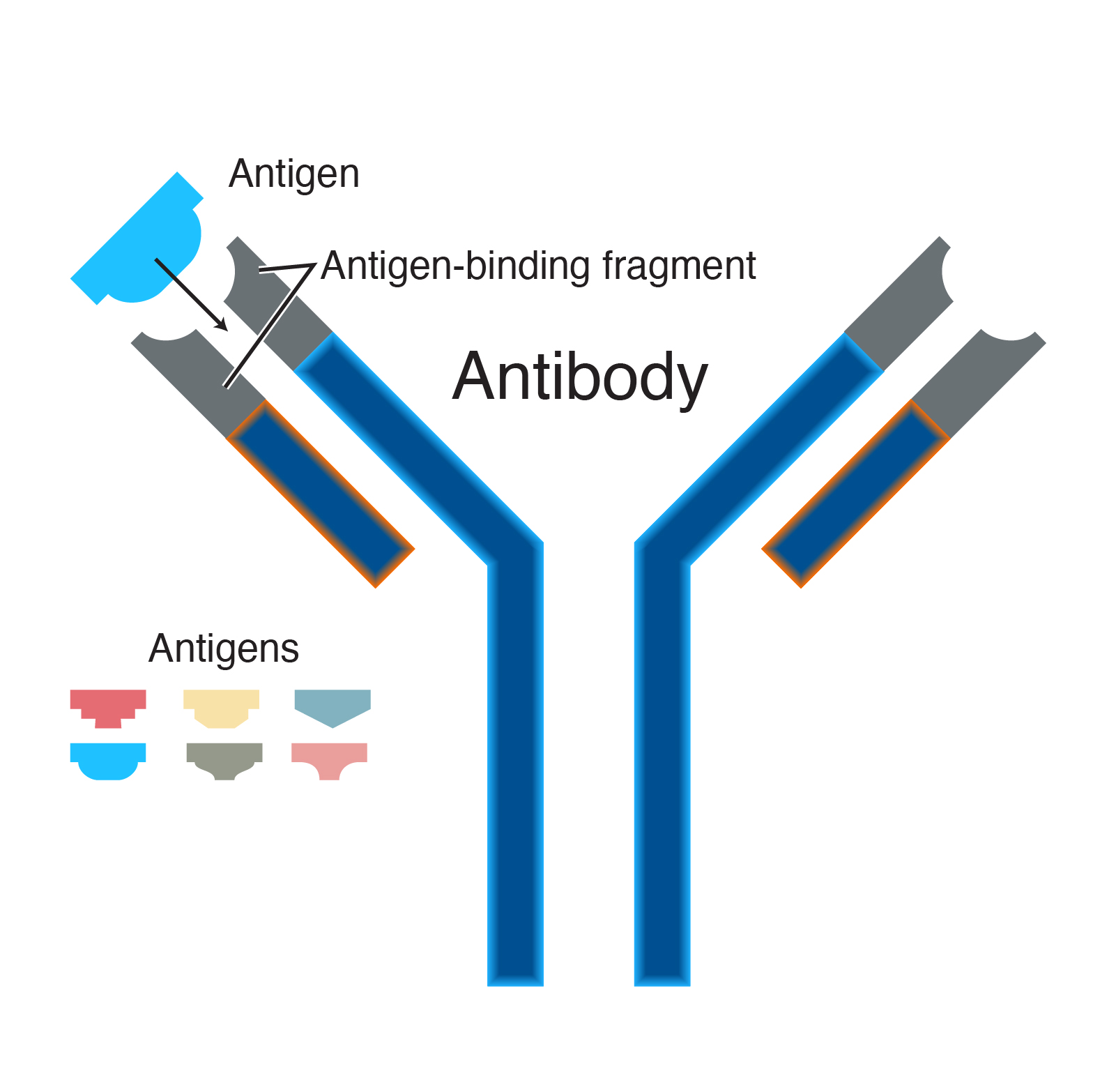
Understanding the intricacies of Protein Antibody Interaction is crucial for advancing various fields in biology and medicine. This interaction forms the basis for many diagnostic tools, therapeutic interventions, and research methodologies. By delving into the mechanisms and applications of protein-antibody interactions, we can gain insights into how these interactions are utilized in modern science.
Understanding Protein Antibody Interaction
Protein Antibody Interaction refers to the specific binding between an antibody and a protein antigen. Antibodies, also known as immunoglobulins, are proteins produced by the immune system in response to foreign substances called antigens. This interaction is highly specific and is the foundation for many immunological processes.
Antibodies have a Y-shaped structure with two antigen-binding sites at the tips of the Y. These sites recognize and bind to specific epitopes on the protein antigen. The specificity of this interaction is what makes antibodies so powerful in both natural immune responses and in laboratory settings.
Mechanisms of Protein Antibody Interaction
The interaction between proteins and antibodies involves several key steps:
- Antigen Recognition: The antibody recognizes a specific epitope on the protein antigen. This recognition is highly specific and depends on the shape and chemical properties of the epitope.
- Binding: Once the antibody recognizes the epitope, it binds to it through non-covalent interactions such as hydrogen bonds, electrostatic interactions, and hydrophobic interactions.
- Signal Transduction: The binding of the antibody to the antigen can trigger various cellular responses, including the activation of immune cells and the initiation of inflammatory responses.
These mechanisms are essential for the immune system's ability to recognize and respond to foreign invaders, such as bacteria and viruses.
Applications of Protein Antibody Interaction
The specific and high-affinity nature of Protein Antibody Interaction makes it a valuable tool in various applications:
- Diagnostic Tools: Antibodies are used in diagnostic tests to detect the presence of specific proteins in biological samples. For example, ELISA (Enzyme-Linked Immunosorbent Assay) and Western blot are common techniques that rely on protein-antibody interactions for detection.
- Therapeutic Interventions: Monoclonal antibodies are used as therapeutic agents to treat various diseases, including cancer and autoimmune disorders. These antibodies target specific proteins on the surface of cells, leading to their destruction or inhibition.
- Research Methodologies: Antibodies are essential tools in research, used for protein purification, localization, and functional studies. Techniques such as immunoprecipitation and immunofluorescence rely on protein-antibody interactions to study protein function and localization.
Techniques for Studying Protein Antibody Interaction
Several techniques are used to study Protein Antibody Interaction, each providing unique insights into the binding process:
- Surface Plasmon Resonance (SPR): SPR is a label-free technique that measures the binding kinetics of protein-antibody interactions in real-time. It provides detailed information about the association and dissociation rates of the interaction.
- Isothermal Titration Calorimetry (ITC): ITC measures the heat released or absorbed during the binding of an antibody to a protein antigen. This technique provides thermodynamic information about the interaction, including the binding affinity and enthalpy.
- X-ray Crystallography: This technique provides high-resolution structural information about the protein-antibody complex. By determining the three-dimensional structure of the complex, researchers can gain insights into the molecular details of the interaction.
These techniques are invaluable for understanding the mechanisms of protein-antibody interactions and for developing new diagnostic and therapeutic applications.
Challenges in Protein Antibody Interaction Studies
Despite the advancements in studying Protein Antibody Interaction, several challenges remain:
- Specificity: Ensuring the specificity of the antibody for the target protein is crucial. Non-specific binding can lead to false-positive results and complicate data interpretation.
- Affinity: The affinity of the antibody for the protein antigen must be high enough to ensure stable binding. Low-affinity interactions can result in weak signals and unreliable data.
- Stability: The stability of the protein-antibody complex is important for accurate measurements. Degradation or denaturation of the proteins can affect the interaction and lead to inaccurate results.
Addressing these challenges requires careful experimental design and the use of appropriate techniques to ensure accurate and reliable data.
Future Directions in Protein Antibody Interaction Research
The field of Protein Antibody Interaction is continually evolving, with new techniques and applications being developed. Some of the future directions in this research include:
- Single-Molecule Techniques: Techniques such as single-molecule fluorescence and atomic force microscopy (AFM) allow for the study of individual protein-antibody interactions. These methods provide detailed information about the dynamics and heterogeneity of the interaction.
- Computational Modeling: Computational methods, such as molecular dynamics simulations and docking studies, can predict the structure and binding affinity of protein-antibody complexes. These tools are valuable for designing new antibodies and optimizing existing ones.
- Nanotechnology: The integration of nanotechnology with protein-antibody interactions opens new possibilities for diagnostic and therapeutic applications. Nanoparticles can be functionalized with antibodies to enhance sensitivity and specificity in detection assays.
These advancements hold promise for improving our understanding of protein-antibody interactions and for developing new applications in medicine and biology.
🔍 Note: The field of protein-antibody interactions is vast and continually evolving. Staying updated with the latest research and techniques is essential for advancing knowledge in this area.
In summary, Protein Antibody Interaction is a fundamental process with wide-ranging applications in biology and medicine. Understanding the mechanisms and techniques involved in these interactions is crucial for developing new diagnostic tools, therapeutic interventions, and research methodologies. As the field continues to evolve, new techniques and applications will further enhance our ability to study and utilize protein-antibody interactions for the benefit of science and healthcare.
Related Terms:
- antibodies and antigens