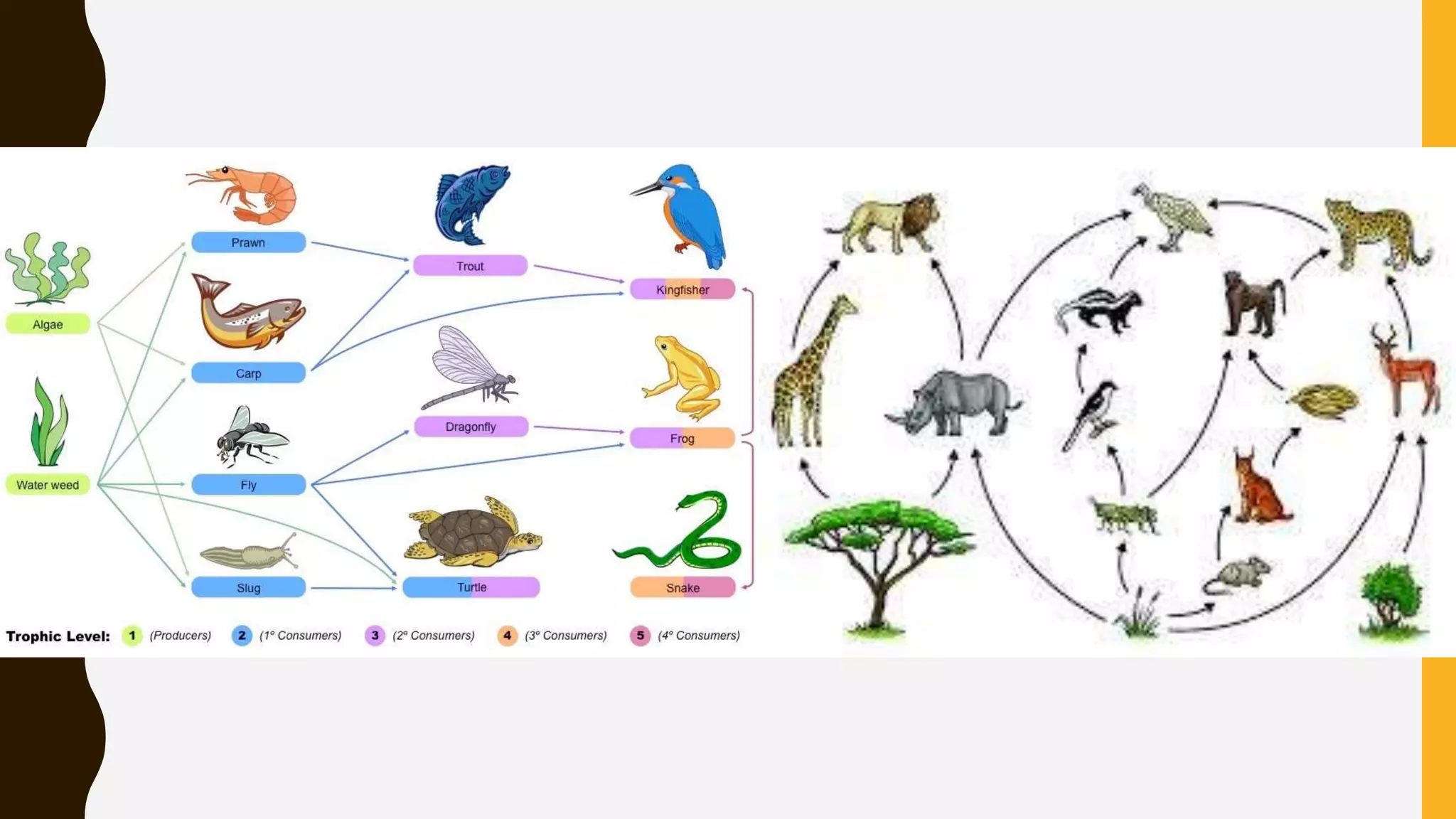
In the intricate web of life, producers in ecosystem play a pivotal role in sustaining the delicate balance of nature. These organisms, primarily plants, algae, and certain bacteria, are responsible for creating the organic matter that fuels the entire food chain. Understanding the significance of producers in an ecosystem is crucial for appreciating the interconnectedness of all living things and the importance of conservation efforts.
What Are Producers in an Ecosystem?
Producers in an ecosystem are autotrophic organisms, meaning they can produce their own food using energy from the sun or chemical processes. The most common producers are plants, which use photosynthesis to convert sunlight into chemical energy stored in glucose. This process not only sustains the plants but also provides the foundation for the food web.
In addition to plants, other organisms like algae and certain bacteria also act as producers. Algae, found in both freshwater and marine environments, perform photosynthesis similarly to plants. Bacteria, particularly those involved in chemosynthesis, convert inorganic compounds into organic matter, often in extreme environments like deep-sea vents.
The Role of Producers in the Food Chain
Producers are the primary source of energy for all other organisms in an ecosystem. They convert inorganic compounds into organic matter, which is then consumed by herbivores. These herbivores, in turn, are preyed upon by carnivores, creating a complex food web that sustains a diverse range of species.
For example, in a forest ecosystem, trees and other plants are the primary producers. They are consumed by herbivores like deer and rabbits, which are then hunted by predators such as wolves and foxes. This energy transfer continues up the food chain, highlighting the critical role of producers in maintaining the ecosystem's balance.
Types of Producers
Producers can be categorized into different types based on their method of energy production and their habitat. The main types include:
- Plants: These are the most common producers in terrestrial ecosystems. They use photosynthesis to convert sunlight into energy.
- Algae: Found in aquatic environments, algae perform photosynthesis and are a vital food source for many aquatic organisms.
- Bacteria: Certain bacteria, such as those involved in chemosynthesis, convert inorganic compounds into organic matter in environments where sunlight is not available.
Importance of Producers in Ecosystem Functioning
Producers are essential for the functioning of any ecosystem. They perform several critical roles:
- Energy Production: Producers convert sunlight or chemical energy into organic matter, which is the primary energy source for all other organisms.
- Oxygen Production: Through photosynthesis, plants and algae release oxygen into the atmosphere, which is vital for the survival of aerobic organisms.
- Carbon Sequestration: Producers absorb carbon dioxide from the atmosphere, helping to mitigate the effects of climate change.
- Habitat Provision: Plants and algae provide shelter and habitat for a wide range of species, supporting biodiversity.
Challenges Facing Producers in Ecosystems
Despite their crucial role, producers face numerous challenges that threaten their ability to sustain ecosystems. Some of the key challenges include:
- Deforestation: The clearing of forests for agriculture, urban development, and other purposes reduces the number of producers, disrupting the food chain and habitat.
- Pollution: Air, water, and soil pollution can harm producers, affecting their ability to perform photosynthesis and produce organic matter.
- Climate Change: Changes in temperature, precipitation patterns, and extreme weather events can stress producers, making it difficult for them to thrive.
- Invasive Species: Non-native species can outcompete local producers for resources, altering the ecosystem's balance.
These challenges highlight the need for conservation efforts to protect producers and the ecosystems they support.
Conservation Efforts for Producers
Conserving producers is essential for maintaining healthy ecosystems. Several strategies can be employed to protect these vital organisms:
- Reforestation: Planting new trees and restoring forests can help replenish the number of producers and support biodiversity.
- Pollution Control: Implementing measures to reduce air, water, and soil pollution can protect producers from harmful substances.
- Climate Action: Reducing greenhouse gas emissions and promoting sustainable practices can mitigate the effects of climate change on producers.
- Invasive Species Management: Controlling the spread of invasive species can help protect local producers and maintain ecosystem balance.
These conservation efforts are crucial for ensuring the long-term health of ecosystems and the survival of all species that depend on producers.
🌱 Note: Conservation efforts often require collaboration between governments, organizations, and individuals to be effective. Community involvement and education are key to successful conservation initiatives.
Case Studies of Successful Conservation
Several successful conservation efforts have demonstrated the positive impact of protecting producers. For example, the restoration of the Amazon rainforest has involved reforestation projects and community engagement to protect the vast number of producers in the region. Similarly, efforts to control pollution in the Great Lakes have helped restore aquatic producers, supporting a diverse range of aquatic life.
These case studies highlight the importance of targeted conservation efforts in protecting producers and the ecosystems they support.
Producers in ecosystems are the backbone of the food chain, providing the energy and organic matter that sustain all other organisms. Their role in energy production, oxygen release, carbon sequestration, and habitat provision makes them indispensable for the functioning of any ecosystem. However, they face numerous challenges, including deforestation, pollution, climate change, and invasive species. Conservation efforts, such as reforestation, pollution control, climate action, and invasive species management, are crucial for protecting producers and ensuring the long-term health of ecosystems.
By understanding the significance of producers in ecosystems and taking steps to conserve them, we can help maintain the delicate balance of nature and support the diverse range of species that depend on these vital organisms.
Related Terms:
- examples of producers in nature
- producers in ecosystem examples
- list of producers plants
- example of producer in ecosystem
- producers definition ecosystem
- types of producers in ecosystem