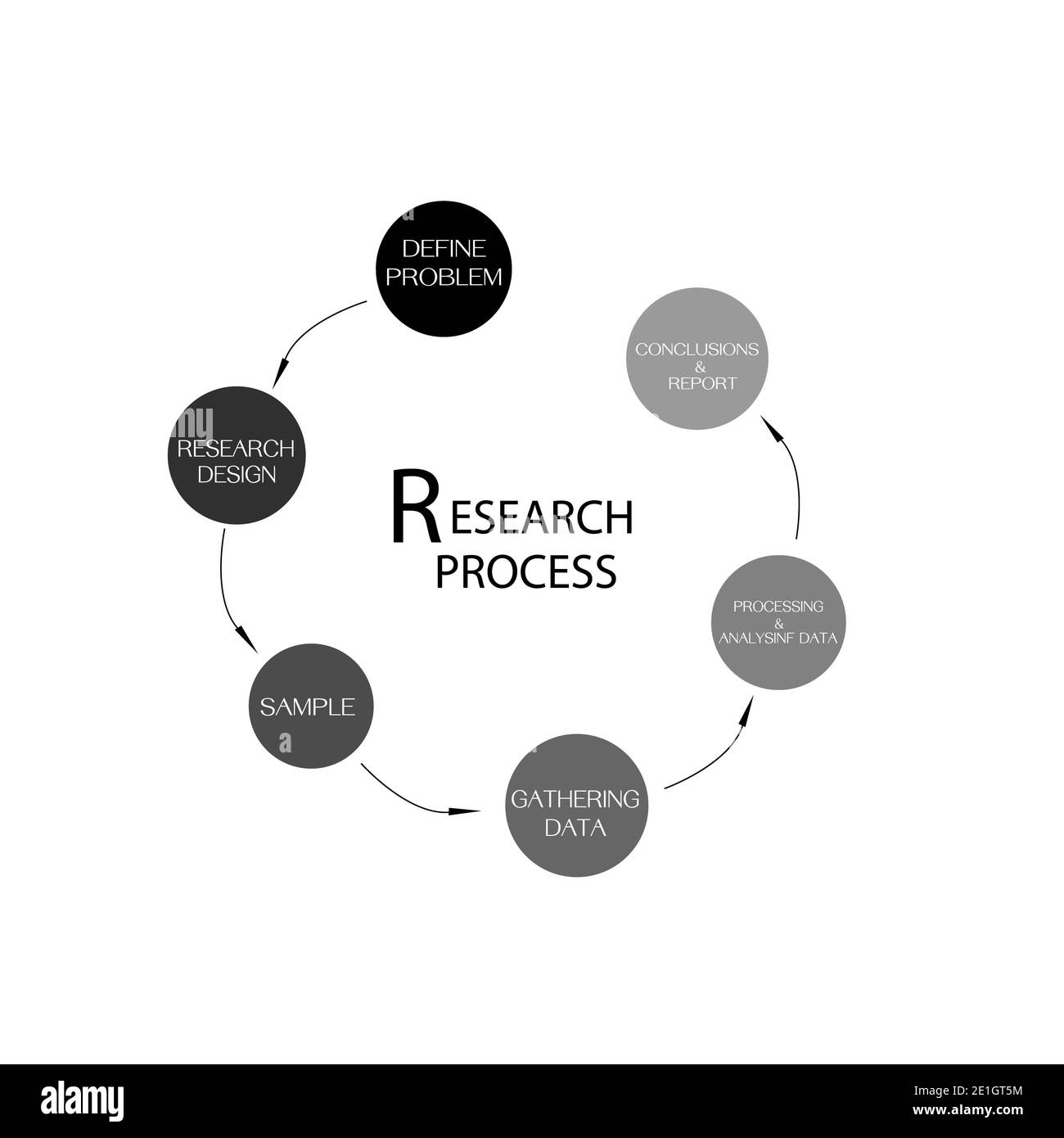
Embarking on a research journey is an exciting and challenging endeavor that requires meticulous planning, execution, and analysis. The process of the research is a systematic approach that ensures the reliability and validity of the findings. This blog post will guide you through the essential steps of the research process, from formulating a research question to disseminating the results.
Understanding the Research Process
The research process is a structured methodology that helps researchers navigate through the complexities of investigating a topic. It involves several key stages, each with its own set of activities and considerations. Understanding these stages is crucial for conducting effective and meaningful research.
Formulating a Research Question
The first step in the process of the research is to formulate a clear and focused research question. A well-defined research question serves as the foundation for the entire study. It should be specific, measurable, achievable, relevant, and time-bound (SMART). Here are some tips for formulating a research question:
- Identify a broad topic of interest.
- Narrow down the topic to a specific area.
- Ensure the question is answerable through research.
- Consider the relevance and significance of the question.
Conducting a Literature Review
Once the research question is formulated, the next step in the process of the research is to conduct a comprehensive literature review. A literature review involves examining existing studies, theories, and findings related to the research question. This step helps to identify gaps in the current knowledge and provides a theoretical framework for the study. Key activities in a literature review include:
- Searching for relevant academic articles, books, and other sources.
- Evaluating the credibility and relevance of the sources.
- Summarizing and synthesizing the findings.
- Identifying gaps and areas for further investigation.
Developing a Research Design
The research design outlines the methodology and approach that will be used to answer the research question. It includes the selection of research methods, data collection techniques, and analytical strategies. A well-designed research plan ensures that the study is conducted systematically and ethically. Key components of a research design include:
- Research methodology (qualitative, quantitative, or mixed methods).
- Data collection methods (surveys, interviews, experiments, etc.).
- Sampling techniques (random, stratified, convenience, etc.).
- Data analysis techniques (statistical analysis, thematic analysis, etc.).
Collecting Data
Data collection is a critical phase in the process of the research. It involves gathering information relevant to the research question using the methods outlined in the research design. Accurate and reliable data collection is essential for drawing valid conclusions. Common data collection methods include:
- Surveys and questionnaires.
- Interviews and focus groups.
- Experiments and observations.
- Secondary data sources (databases, archives, etc.).
Analyzing Data
After collecting the data, the next step in the process of the research is to analyze it. Data analysis involves examining the collected information to identify patterns, trends, and relationships. The choice of analytical methods depends on the research design and the nature of the data. Common data analysis techniques include:
- Descriptive statistics (mean, median, mode, etc.).
- Inferential statistics (t-tests, ANOVA, regression, etc.).
- Qualitative analysis (thematic analysis, content analysis, etc.).
- Mixed methods analysis (combining quantitative and qualitative data).
Interpreting Results
Interpreting the results involves making sense of the data analysis findings in the context of the research question and existing literature. This step requires critical thinking and a deep understanding of the research topic. Key considerations in interpreting results include:
- Identifying the main findings and their implications.
- Comparing the findings with existing literature.
- Discussing the limitations of the study.
- Suggesting areas for future research.
Writing the Research Report
The final step in the process of the research is to write the research report. The report should clearly and concisely present the research question, methodology, findings, and conclusions. A well-written report should be structured logically and include the following sections:
- Title page and abstract.
- Introduction (background, research question, objectives).
- Literature review.
- Methodology (research design, data collection, data analysis).
- Results (findings, tables, figures).
- Discussion (interpretation, implications, limitations).
- Conclusion (summary, recommendations, future research).
- References (cited sources).
📝 Note: Ensure that the research report adheres to the formatting and citation guidelines specified by the academic institution or journal.
Ethical Considerations in Research
Ethical considerations are integral to the process of the research. Researchers must ensure that their studies are conducted ethically, respecting the rights and dignity of participants. Key ethical considerations include:
- Informed consent: Obtaining voluntary and informed consent from participants.
- Confidentiality: Protecting the privacy and confidentiality of participants’ data.
- Bias and objectivity: Minimizing bias and maintaining objectivity in the research process.
- Honesty and integrity: Reporting findings accurately and honestly.
Common Challenges in the Research Process
The process of the research is not without its challenges. Researchers often encounter obstacles that can hinder the progress and quality of their studies. Some common challenges include:
- Limited resources: Insufficient funding, time, or access to data.
- Data quality: Issues with data accuracy, completeness, and reliability.
- Ethical dilemmas: Balancing research objectives with ethical considerations.
- Publication bias: Difficulty in publishing negative or non-significant findings.
📝 Note: Addressing these challenges requires careful planning, flexibility, and a commitment to ethical standards.
Case Study: The Process of the Research in Action
To illustrate the process of the research, let’s consider a case study on the impact of social media on mental health among teenagers. This study involves several key steps:
- Formulating a research question: “How does social media use affect the mental health of teenagers?”
- Conducting a literature review: Examining existing studies on social media and mental health.
- Developing a research design: Using a mixed-methods approach with surveys and interviews.
- Collecting data: Distributing surveys to teenagers and conducting interviews with a subset of participants.
- Analyzing data: Using statistical analysis for survey data and thematic analysis for interview data.
- Interpreting results: Identifying key findings and their implications for mental health interventions.
- Writing the research report: Documenting the findings and recommendations in a comprehensive report.
This case study highlights the systematic and structured nature of the process of the research, ensuring that the findings are reliable and valid.
The Role of Technology in the Research Process
Technology plays a crucial role in the process of the research, enhancing efficiency, accuracy, and accessibility. Some key technological tools and platforms that support research include:
- Data collection tools: Online surveys, mobile apps, and data collection software.
- Data analysis software: Statistical packages (SPSS, R, SAS), qualitative analysis tools (NVivo, ATLAS.ti).
- Collaboration platforms: Cloud-based storage, project management tools, and communication platforms.
- Literature databases: Academic journals, research repositories, and citation management tools.
By leveraging these technologies, researchers can streamline the process of the research, ensuring that their studies are conducted efficiently and effectively.
Future Trends in Research
The field of research is continually evolving, driven by advancements in technology and changes in societal needs. Some future trends in the process of the research include:
- Big data and analytics: Utilizing large datasets and advanced analytics to uncover insights.
- Artificial intelligence: Employing AI algorithms for data analysis and predictive modeling.
- Open science: Promoting transparency and collaboration through open access publishing and data sharing.
- Interdisciplinary research: Integrating knowledge and methods from different disciplines to address complex problems.
These trends highlight the dynamic nature of the process of the research, emphasizing the importance of staying updated with the latest developments and innovations.
In conclusion, the process of the research is a comprehensive and systematic approach that ensures the reliability and validity of research findings. From formulating a research question to disseminating the results, each step in the process plays a crucial role in conducting effective and meaningful research. By understanding and following these steps, researchers can contribute to the advancement of knowledge and address real-world challenges. The process of the research is not just a methodology but a journey of discovery and innovation that drives progress in various fields.
Related Terms:
- 12 steps of research process
- research process steps
- what is research methodology
- process of research pdf
- research processes examples
- process of research methodology