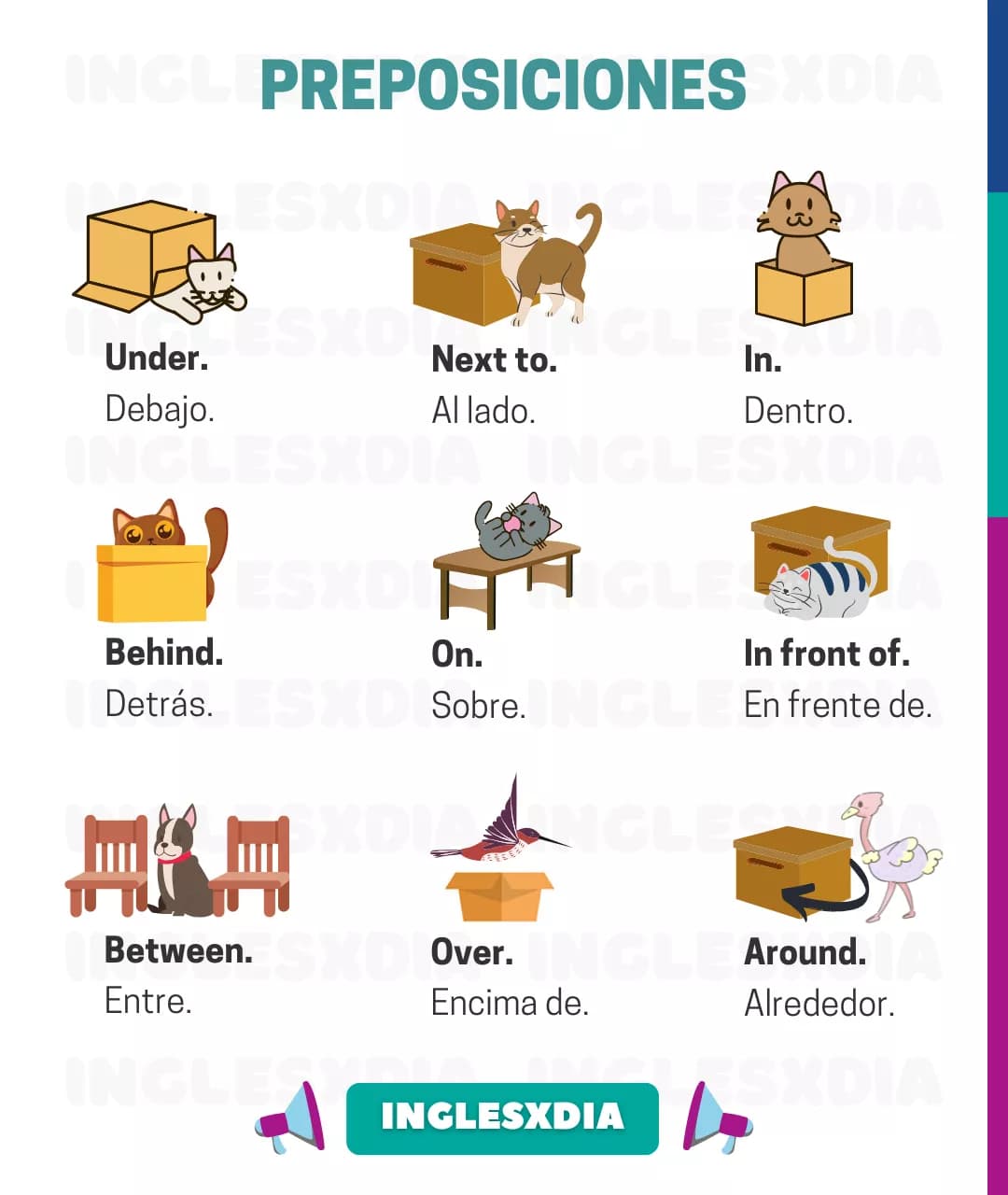
Learning Preposiciones en español is a fundamental aspect of mastering the Spanish language. Prepositions are small but powerful words that establish relationships between nouns, pronouns, and other elements in a sentence. They help to convey location, time, manner, cause, and more. Understanding and correctly using prepositions is crucial for achieving fluency and clarity in Spanish communication.
What Are Prepositions?
Prepositions are words that connect nouns, pronouns, or phrases to other words in a sentence. They provide essential information about the relationships between these elements. In Spanish, prepositions are equally important as in English, but they often have different rules and usages. Some common prepositions in Spanish include a, de, en, con, para, por, and sin.
Common Prepositions in Spanish
Here are some of the most commonly used prepositions in Spanish, along with their basic meanings and examples:
- a: to, at, in (used with direct objects and destinations)
- de: of, from, by (used to indicate possession, origin, or cause)
- en: in, on, at (used for location, time, and manner)
- con: with (used to indicate accompaniment or means)
- para: for, in order to (used to indicate purpose or destination)
- por: by, for, through (used to indicate cause, exchange, or multiplication)
- sin: without (used to indicate absence or lack)
Prepositions of Place
Prepositions of place indicate the location of an object or person. Some of the most common prepositions of place in Spanish are en, a, de, por, and entre. Here are some examples:
- Estoy en la casa. (I am in the house.)
- Voy a la tienda. (I am going to the store.)
- El libro está sobre la mesa. (The book is on the table.)
- El gato está debajo de la cama. (The cat is under the bed.)
- El perro está entre los árboles. (The dog is between the trees.)
Prepositions of Time
Prepositions of time indicate when an action occurs. The most common prepositions of time in Spanish are en, a, de, durante, and hasta. Here are some examples:
- Voy a la fiesta en la noche. (I am going to the party at night.)
- La reunión es a las tres. (The meeting is at three o'clock.)
- Estudio de lunes a viernes. (I study from Monday to Friday.)
- Voy a viajar durante el verano. (I am going to travel during the summer.)
- Voy a trabajar hasta las seis. (I am going to work until six.)
Prepositions of Manner
Prepositions of manner indicate how an action is performed. The most common prepositions of manner in Spanish are con, sin, and por. Here are some examples:
- Habla con claridad. (He speaks clearly.)
- Vive sin preocupaciones. (He lives without worries.)
- Paga por adelantado. (He pays in advance.)
Prepositions of Cause
Prepositions of cause indicate the reason for an action. The most common prepositions of cause in Spanish are por and de. Here are some examples:
- Estoy triste por la noticia. (I am sad because of the news.)
- El accidente fue de mi culpa. (The accident was my fault.)
Prepositions of Purpose
Prepositions of purpose indicate the goal or intention of an action. The most common prepositions of purpose in Spanish are para and por. Here are some examples:
- Voy al supermercado para comprar comida. (I am going to the supermarket to buy food.)
- Estudio por mi futuro. (I study for my future.)
Prepositions of Accompaniment
Prepositions of accompaniment indicate who or what is accompanying someone or something. The most common preposition of accompaniment in Spanish is con. Here are some examples:
- Voy al cine con mis amigos. (I am going to the movies with my friends.)
- El perro está con su dueño. (The dog is with its owner.)
Prepositions of Means
Prepositions of means indicate the tool or method used to perform an action. The most common prepositions of means in Spanish are con and por. Here are some examples:
- Escribo con un lápiz. (I write with a pencil.)
- Voy a la escuela por autobús. (I go to school by bus.)
Prepositions of Possession
Prepositions of possession indicate ownership or belonging. The most common preposition of possession in Spanish is de. Here are some examples:
- El libro es de Juan. (The book is Juan's.)
- La casa de mis padres es grande. (My parents' house is big.)
Prepositions of Exchange
Prepositions of exchange indicate the exchange of one thing for another. The most common preposition of exchange in Spanish is por. Here are some examples:
- Cambio mi libro por el tuyo. (I exchange my book for yours.)
- Pago diez dólares por la camisa. (I pay ten dollars for the shirt.)
Prepositions of Multiplication
Prepositions of multiplication indicate the multiplication of one thing by another. The most common preposition of multiplication in Spanish is por. Here are some examples:
- Cinco por dos es diez. (Five times two is ten.)
- Multiplico el número por tres. (I multiply the number by three.)
Prepositions of Comparison
Prepositions of comparison indicate the comparison of one thing with another. The most common prepositions of comparison in Spanish are como and que. Here are some examples:
- Es tan alto como su hermano. (He is as tall as his brother.)
- Prefiero el café que el té. (I prefer coffee to tea.)
Prepositions of Contrast
Prepositions of contrast indicate the contrast between two things. The most common prepositions of contrast in Spanish are aunque and pero. Here are some examples:
- Aunque llueva, vamos a salir. (Although it rains, we are going to go out.)
- Quiero ir, pero no puedo. (I want to go, but I can't.)
Prepositions of Condition
Prepositions of condition indicate the condition under which an action occurs. The most common prepositions of condition in Spanish are si and aunque. Here are some examples:
- Si llueve, nos quedamos en casa. (If it rains, we stay at home.)
- Aunque esté cansado, voy a estudiar. (Although I am tired, I am going to study.)
Prepositions of Concession
Prepositions of concession indicate the concession or acceptance of a condition. The most common prepositions of concession in Spanish are aunque and a pesar de. Here are some examples:
- Aunque esté cansado, voy a estudiar. (Although I am tired, I am going to study.)
- A pesar de la lluvia, vamos a salir. (Despite the rain, we are going to go out.)
Prepositions of Exclusion
Prepositions of exclusion indicate the exclusion of one thing from another. The most common prepositions of exclusion in Spanish are sin and excepto. Here are some examples:
- Voy a la fiesta sin mi amigo. (I am going to the party without my friend.)
- Todos vinieron excepto Juan. (Everyone came except Juan.)
Prepositions of Addition
Prepositions of addition indicate the addition of one thing to another. The most common prepositions of addition in Spanish are con and y. Here are some examples:
- Voy al cine con mis amigos. (I am going to the movies with my friends.)
- El libro y el lápiz están en la mesa. (The book and the pencil are on the table.)
Prepositions of Direction
Prepositions of direction indicate the direction of movement. The most common prepositions of direction in Spanish are a, hacia, and por. Here are some examples:
- Voy a la tienda. (I am going to the store.)
- Camino hacia el parque. (I walk towards the park.)
- Voy por la calle principal. (I go down the main street.)
Prepositions of Origin
Prepositions of origin indicate the place or source from which something comes. The most common prepositions of origin in Spanish are de and desde. Here are some examples:
- Soy de España. (I am from Spain.)
- Viene desde México. (He comes from Mexico.)
Prepositions of Destination
Prepositions of destination indicate the place or person to whom something is directed. The most common prepositions of destination in Spanish are a and para. Here are some examples:
- Voy a la tienda. (I am going to the store.)
- Este regalo es para ti. (This gift is for you.)
Prepositions of Instrument
Prepositions of instrument indicate the tool or means used to perform an action. The most common prepositions of instrument in Spanish are con and por. Here are some examples:
- Escribo con un lápiz. (I write with a pencil.)
- Voy a la escuela por autobús. (I go to school by bus.)
Prepositions of Accompaniment
Prepositions of accompaniment indicate who or what is accompanying someone or something. The most common preposition of accompaniment in Spanish is con. Here are some examples:
- Voy al cine con mis amigos. (I am going to the movies with my friends.)
- El perro está con su dueño. (The dog is with its owner.)
Prepositions of Cause
Prepositions of cause indicate the reason for an action. The most common prepositions of cause in Spanish are por and de. Here are some examples:
- Estoy triste por la noticia. (I am sad because of the news.)
- El accidente fue de mi culpa. (The accident was my fault.)
Prepositions of Purpose
Prepositions of purpose indicate the goal or intention of an action. The most common prepositions of purpose in Spanish are para and por. Here are some examples:
- Voy al supermercado para comprar comida. (I am going to the supermarket to buy food.)
- Estudio por mi futuro. (I study for my future.)
Prepositions of Possession
Prepositions of possession indicate ownership or belonging. The most common preposition of possession in Spanish is de. Here are some examples:
- El libro es de Juan. (The book is Juan's.)
- La casa de mis padres es grande. (My parents' house is big.)
Prepositions of Exchange
Prepositions of exchange indicate the exchange of one thing for another. The most common preposition of exchange in Spanish is por. Here are some examples:
- Cambio mi libro por el tuyo. (I exchange my book for yours.)
- Pago diez dólares por la camisa. (I pay ten dollars for the shirt.)
Prepositions of Multiplication
Prepositions of multiplication indicate the multiplication of one thing by another. The most common preposition of multiplication in Spanish is por. Here are some examples:
- Cinco por dos es diez. (Five times two is ten.)
- Multiplico el número por tres. (I multiply the number by three.)
Prepositions of Comparison
Prepositions of comparison indicate the comparison of one thing with another. The most common prepositions of comparison in Spanish are como and que. Here are some examples:
- Es tan alto como su hermano. (He is as tall as his brother.)
- Prefiero el café que el té. (I prefer coffee to tea.)
Prepositions of Contrast
Prepositions of contrast indicate the contrast between two things. The most common prepositions of contrast in Spanish are aunque and pero. Here are some examples:
- Aunque llueva, vamos a salir. (Although it rains, we are going to go out.)
- Quiero ir, pero no puedo. (I want to go, but I can't.)
Prepositions of Condition
Prepositions of condition indicate the condition under which an action occurs. The most common prepositions of condition in Spanish are si and aunque. Here are some examples:
- Si llueve, nos quedamos en casa. (If it rains, we stay at home.)
- Aunque esté cansado, voy a estudiar. (Although I am tired, I am going to study.)
Prepositions of Concession
Prepositions of concession indicate the concession or acceptance of a condition. The most common prepositions of concession in Spanish are aunque and a pesar de. Here are some examples:
- Aunque esté cansado, voy a estudiar. (Although I am tired, I am going to study.)
- A pesar de la lluvia, vamos a salir. (Despite the rain, we are going to go out.)
Prepositions of Exclusion
Prepositions of exclusion indicate the exclusion of one thing from another. The most common prepositions of exclusion in Spanish are sin and excepto. Here are some examples:
- Voy a la fiesta sin mi amigo. (I am going to the party without my friend.)
- Todos vinieron excepto Juan. (Everyone came except Juan.)
Prepositions of Addition
Prepositions of addition indicate the addition of one thing to another. The most common prepositions of addition in Spanish are con and y. Here are some examples:
- Voy al cine con mis amigos. (I am going to the movies with my friends.)
- El libro y el lápiz
Related Terms:
- ejemplos de preposiciones
- preposiciones lista completa
- preposiciones lugar en español
- cuales son todas las preposiciones
- significado de las preposiciones
- el uso la preposición