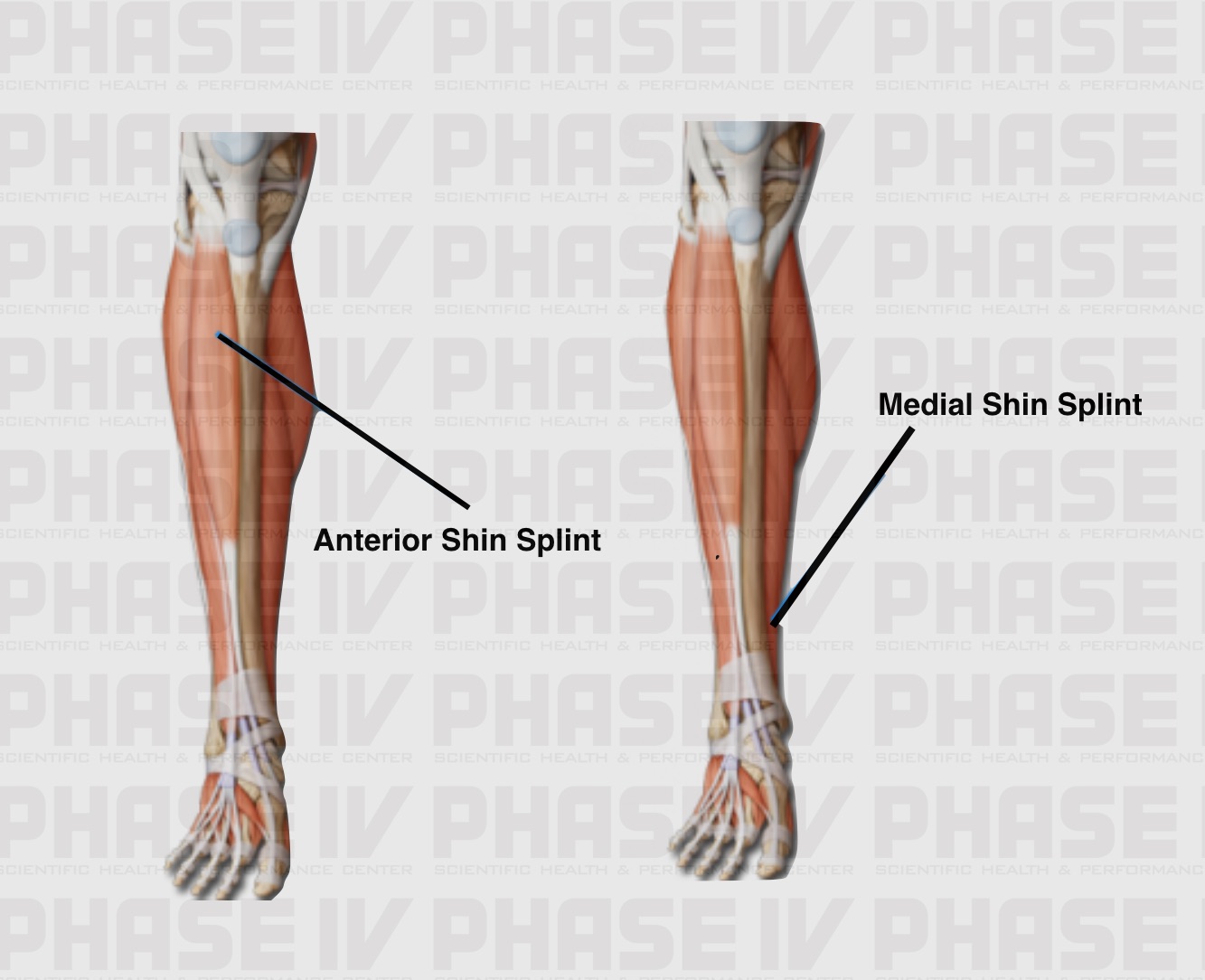
Posterior shin splints, also known as medial tibial stress syndrome, are a common injury among athletes and runners. This condition is characterized by pain along the inner edge of the shinbone (tibia), typically caused by overuse and repetitive stress. Understanding the causes, symptoms, and treatment options for posterior shin splints is crucial for effective management and prevention.
Understanding Posterior Shin Splints
Posterior shin splints occur when the muscles and tendons around the shinbone become inflamed due to excessive stress. This inflammation can lead to pain and discomfort, making it difficult to engage in physical activities. The condition is often seen in runners, dancers, and military personnel, who engage in repetitive impact activities.
Causes of Posterior Shin Splints
Several factors contribute to the development of posterior shin splints:
- Overuse: Repetitive impact activities, such as running or jumping, can strain the muscles and tendons around the shinbone.
- Inadequate Warm-Up: Skipping a proper warm-up before exercise can lead to muscle tightness and increased risk of injury.
- Poor Footwear: Wearing shoes that lack proper support or cushioning can exacerbate the stress on the shinbone.
- Biomechanical Issues: Flat feet, high arches, or other foot abnormalities can alter the distribution of weight and stress on the lower leg.
- Increased Training Intensity: Suddenly increasing the duration, frequency, or intensity of exercise can overwhelm the muscles and tendons.
Symptoms of Posterior Shin Splints
The primary symptom of posterior shin splints is pain along the inner edge of the shinbone. This pain can range from mild to severe and is often described as:
- Dull or aching
- Sharp or stabbing
- Worsening with activity
- Improving with rest
Other symptoms may include:
- Swelling or tenderness along the shinbone
- Reduced range of motion in the ankle
- Pain that radiates down the leg
Diagnosing Posterior Shin Splints
Diagnosing posterior shin splints typically involves a physical examination and a review of the patient's medical history. A healthcare provider may ask about:
- The onset and duration of symptoms
- Recent changes in exercise routines
- Any history of similar injuries
During the physical examination, the provider may:
- Palpate the shinbone to identify areas of tenderness
- Assess the range of motion in the ankle and foot
- Evaluate the patient's gait and foot mechanics
In some cases, imaging tests such as X-rays, MRI, or bone scans may be ordered to rule out other conditions, such as stress fractures.
Treatment Options for Posterior Shin Splints
Treatment for posterior shin splints focuses on reducing pain, promoting healing, and preventing recurrence. Common treatment options include:
Rest, Ice, Compression, and Elevation (RICE)
The RICE method is a standard approach for managing acute injuries:
- Rest: Avoid activities that exacerbate the pain, such as running or jumping.
- Ice: Apply an ice pack to the affected area for 15-20 minutes, several times a day.
- Compression: Use an elastic bandage or compression sleeve to reduce swelling.
- Elevation: Keep the leg elevated above heart level to minimize swelling.
Pain Management
Over-the-counter pain relievers, such as ibuprofen or naproxen, can help reduce pain and inflammation. However, it is important to consult a healthcare provider before taking any medication.
Physical Therapy
Physical therapy can be beneficial for strengthening the muscles and improving flexibility. A physical therapist may recommend:
- Stretching exercises for the calves and shins
- Strengthening exercises for the lower leg muscles
- Gait analysis to identify and correct biomechanical issues
Orthotics and Footwear
Wearing supportive shoes and using orthotic inserts can help distribute weight more evenly and reduce stress on the shinbone. Custom orthotics may be recommended for individuals with significant foot abnormalities.
Gradual Return to Activity
Once the pain has subsided, a gradual return to activity is essential to prevent recurrence. This may involve:
- Increasing the duration and intensity of exercise gradually
- Incorporating cross-training activities to reduce impact on the shins
- Wearing supportive footwear during all physical activities
📝 Note: It is crucial to follow a healthcare provider's recommendations for returning to activity to avoid reinjury.
Preventing Posterior Shin Splints
Preventing posterior shin splints involves a combination of proper training, adequate footwear, and addressing any underlying biomechanical issues. Key prevention strategies include:
- Gradual Increase in Training: Avoid sudden increases in the duration, frequency, or intensity of exercise.
- Proper Warm-Up and Cool-Down: Include dynamic stretching and light cardio in your warm-up routine, and static stretching in your cool-down.
- Supportive Footwear: Wear shoes that provide adequate cushioning and support for your foot type.
- Strengthening Exercises: Incorporate exercises that strengthen the muscles of the lower leg, such as calf raises and toe raises.
- Addressing Biomechanical Issues: Consult a healthcare provider or physical therapist if you have flat feet, high arches, or other foot abnormalities.
When to Seek Medical Attention
While posterior shin splints can often be managed with conservative treatment, it is important to seek medical attention if:
- The pain is severe or worsening
- There is significant swelling or bruising
- The pain does not improve with rest and conservative treatment
- There are signs of a more serious injury, such as a stress fracture
Early intervention can help prevent complications and promote faster healing.
Posterior shin splints are a common but manageable condition. By understanding the causes, symptoms, and treatment options, individuals can effectively manage this injury and prevent recurrence. Proper training, supportive footwear, and addressing any underlying biomechanical issues are key to maintaining lower leg health and avoiding posterior shin splints.
Related Terms:
- posterior tibial stress syndrome
- anterior shin splints
- posterior shin splints pain
- posterior shin splints stretches
- posterior shin splints icd 10
- posterior shin splints treatment