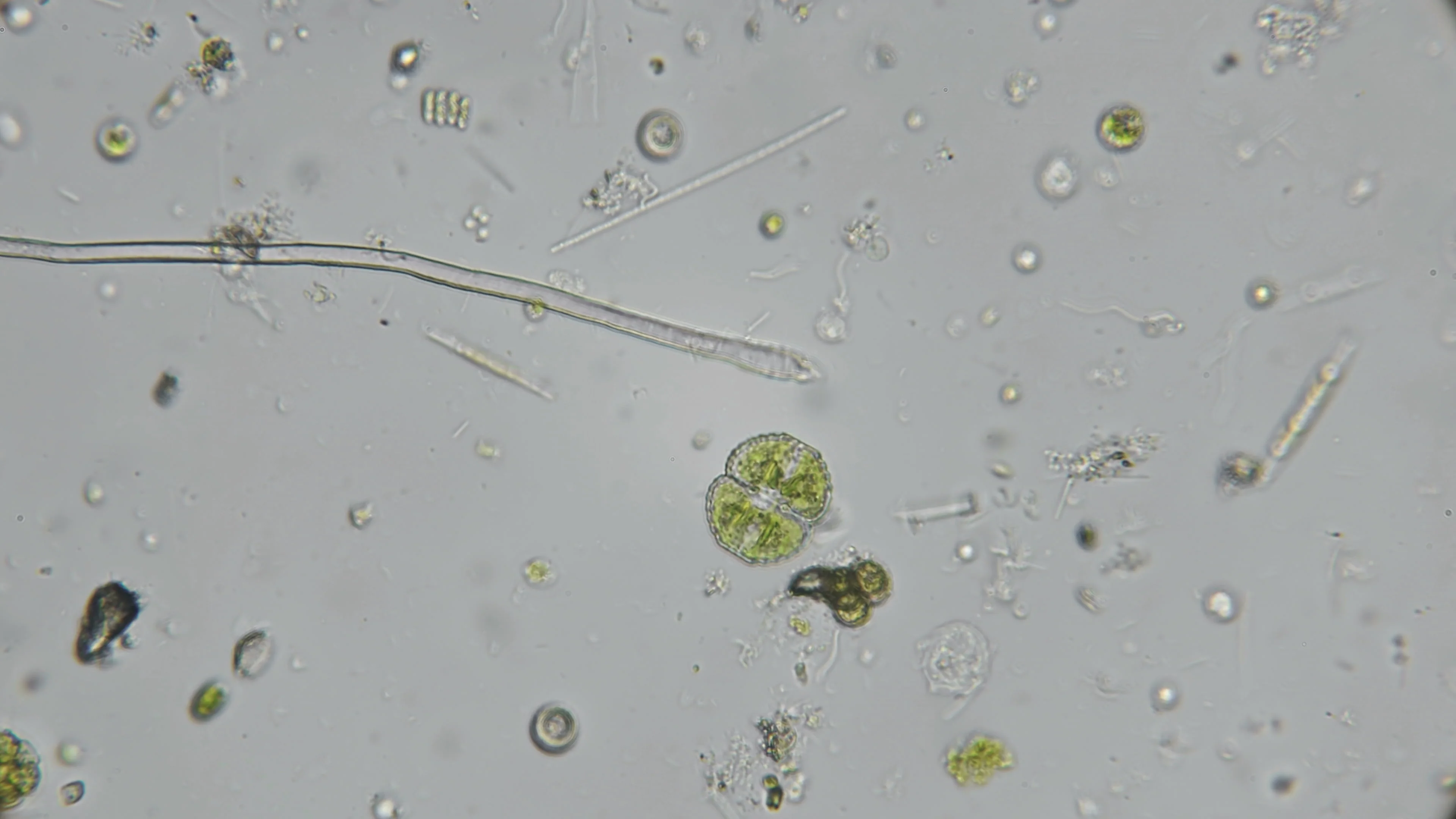
Exploring the microscopic world of pond water reveals a hidden universe teeming with life. This intricate ecosystem, often overlooked, is a fascinating subject for both amateur and professional scientists. By examining pond water under microscope, one can discover a myriad of organisms that play crucial roles in the aquatic environment. This blog post delves into the process of preparing and observing pond water under a microscope, the types of organisms you might encounter, and the significance of these microscopic creatures in the broader ecosystem.
Preparing Pond Water for Microscopic Observation
Before diving into the microscopic world, it's essential to prepare your pond water sample correctly. Here are the steps to follow:
- Collect a sample of pond water in a clean container. Ensure the container is free from any contaminants that could interfere with your observations.
- Allow the water to settle for a few minutes. This helps to separate larger particles and debris from the water, making it easier to observe smaller organisms.
- Transfer a small amount of the settled water onto a clean microscope slide. Use a pipette or a dropper for precision.
- Place a coverslip over the water droplet. Ensure there are no air bubbles trapped underneath, as they can obstruct your view.
- Secure the slide on the microscope stage and adjust the focus to observe the sample.
🔍 Note: It's important to handle the microscope and slides with care to avoid damaging the equipment or contaminating the sample.
Types of Organisms Found in Pond Water
Pond water is home to a diverse array of microorganisms, each with its unique characteristics and roles in the ecosystem. Some of the most common organisms you might encounter when observing pond water under microscope include:
- Protozoa: These are single-celled organisms that can be free-living or parasitic. Examples include Paramecium and Amoeba, which are often seen moving around in the water.
- Rotifers: These are tiny, multicellular organisms with a distinctive wheel-like structure called a corona, which they use for feeding and locomotion.
- Ciliates: These are protozoa that move using hair-like structures called cilia. They are often found in large numbers in pond water.
- Algae: These are photosynthetic organisms that can be unicellular or multicellular. They are essential for oxygen production and serve as a food source for many aquatic animals.
- Bacteria: These are microscopic, single-celled organisms that play a crucial role in nutrient cycling and decomposition.
- Water Fleas (Daphnia): These are small crustaceans that are visible to the naked eye but can be observed more closely under a microscope. They are an important food source for larger aquatic animals.
Observing Pond Water Under a Microscope
Once your sample is prepared, you can begin observing the various organisms present. Here are some tips to enhance your viewing experience:
- Start with the lowest magnification (4x or 10x) to get an overview of the sample. This helps in locating areas of interest.
- Gradually increase the magnification (40x, 100x, or higher) to observe smaller details and individual organisms.
- Adjust the focus carefully to bring different layers of the sample into view. This is particularly important when observing organisms at different depths.
- Use the fine adjustment knob to achieve a clear and sharp image. This is crucial for detailed observations.
- Take notes or sketches of what you observe. This can help in identifying organisms and understanding their behaviors.
Here is a table summarizing the typical magnification levels and what you might observe at each level:
| Magnification Level | Typical Observations |
|---|---|
| 4x or 10x | Overall view of the sample, larger organisms like water fleas, and debris. |
| 40x | Smaller organisms like rotifers, ciliates, and algae. |
| 100x or higher | Detailed views of protozoa, bacteria, and internal structures of larger organisms. |
🔍 Note: Always handle the microscope with care, especially when adjusting the focus and magnification. Sudden movements can damage the equipment or the sample.
Significance of Microorganisms in Pond Ecosystems
The microorganisms found in pond water play vital roles in maintaining the health and balance of the ecosystem. Understanding their significance can provide insights into the broader ecological processes:
- Nutrient Cycling: Bacteria and other microorganisms break down organic matter, releasing nutrients that are essential for plant growth.
- Oxygen Production: Algae and other photosynthetic organisms produce oxygen through photosynthesis, which is crucial for the survival of aquatic animals.
- Food Web: Microorganisms serve as a food source for larger organisms, supporting the entire food web. For example, protozoa and rotifers are consumed by water fleas, which in turn are eaten by fish.
- Water Quality: The presence of certain microorganisms can indicate the health of the pond. For instance, high levels of bacteria might suggest pollution or contamination.
By observing pond water under microscope, you can gain a deeper appreciation for the intricate web of life that exists in even the smallest bodies of water. This microscopic world is not only fascinating but also essential for the overall health of the ecosystem.

This image shows a Paramecium, a common protozoan found in pond water. Its distinctive shape and cilia make it easily recognizable under a microscope.

Rotifers are another fascinating organism found in pond water. Their wheel-like structure, known as the corona, is used for feeding and movement.
Exploring pond water under microscope is a rewarding experience that offers a glimpse into the hidden world of microorganisms. Whether you are a student, a hobbyist, or a professional scientist, observing these tiny creatures can provide valuable insights into the complexities of aquatic ecosystems. By understanding the roles of these microorganisms, we can better appreciate the delicate balance of life in our ponds and lakes.
Related Terms:
- pond water under microscope 1000x
- pond water identification chart
- microscopic life in pond water
- pond water organisms identification chart
- microscopic creatures in pond water
- pond water under microscope labeled