Mastering the art of storytelling is a fundamental skill for any writer, and understanding the intricacies of plot and plot structure is at the heart of this craft. Whether you're a seasoned author or just starting out, grasping the essentials of plot development can transform your narratives from mundane to captivating. This guide will delve into the key elements of plot and plot structure, providing you with the tools to create compelling stories that keep readers engaged from beginning to end.
Understanding Plot
At its core, a plot is the sequence of events that make up a story. It is the backbone of any narrative, driving the action forward and keeping the reader invested. A well-crafted plot not only entertains but also conveys deeper themes and messages. To understand plot, it’s essential to break it down into its fundamental components:
- Exposition: This is the introduction to the story where the setting, characters, and initial situation are established. It sets the stage for the events to come.
- Rising Action: This section builds tension and conflict, leading the characters towards the climax. It includes a series of events that increase the stakes and complexity of the story.
- Climax: The turning point of the story where the main conflict reaches its peak. This is the most intense and dramatic part of the narrative.
- Falling Action: The events that follow the climax, where the conflict begins to resolve. This section shows the consequences of the climax and how the characters react to it.
- Resolution: The conclusion of the story where loose ends are tied up, and the final outcome is revealed. It provides a sense of closure for the reader.
The Importance of Plot Structure
Plot structure is the framework that organizes the events of a story in a coherent and engaging manner. A solid plot structure ensures that the narrative flows smoothly and keeps the reader’s interest. There are several popular plot structures that writers can use to organize their stories:
- Three-Act Structure: This classic structure divides the story into three parts: the setup, the confrontation, and the resolution. It is widely used in films and novels due to its simplicity and effectiveness.
- Five-Act Structure: Originating from classical Greek drama, this structure includes an additional act for the rising action, making it more detailed and complex. It consists of the exposition, rising action, climax, falling action, and resolution.
- Hero's Journey: Popularized by Joseph Campbell, this structure follows a protagonist's journey through a series of stages, including the call to adventure, road of trials, and ultimate boon. It is often used in fantasy and adventure genres.
Crafting a Compelling Plot
Creating a compelling plot involves more than just arranging events in a sequence. It requires careful planning and attention to detail. Here are some steps to help you craft a captivating plot:
- Identify Your Theme: Before you start writing, identify the central theme of your story. This will guide your plot development and ensure that your narrative has a clear message.
- Develop Your Characters: Well-developed characters are essential for a compelling plot. Each character should have their own goals, motivations, and conflicts that drive the story forward.
- Create Conflict: Conflict is the engine that drives your plot. It can be internal (within a character) or external (between characters or forces). Ensure that your conflicts are meaningful and relevant to your theme.
- Plan Your Plot Points: Outline the key events of your story, including the inciting incident, turning points, and climax. This will help you maintain a clear direction and avoid plot holes.
- Build Tension: Gradually increase the tension and stakes throughout your story. This keeps the reader engaged and eager to find out what happens next.
Here is a simple table to illustrate the key plot points in a typical story structure:
| Plot Point | Description |
|---|---|
| Inciting Incident | The event that sets the story in motion and introduces the main conflict. |
| First Turning Point | The moment when the protagonist commits to resolving the conflict. |
| Midpoint | The halfway point of the story where the stakes are raised, and the protagonist faces a significant challenge. |
| Second Turning Point | The event that leads directly to the climax, often involving a major revelation or decision. |
| Climax | The most intense and dramatic part of the story where the main conflict is resolved. |
| Resolution | The conclusion of the story where loose ends are tied up, and the final outcome is revealed. |
📝 Note: While this table provides a general guide, remember that plot structures can vary widely depending on the genre and style of your story.
Common Pitfalls in Plot Development
Even with a solid understanding of plot and plot structure, writers can fall into common traps that weaken their narratives. Here are some pitfalls to avoid:
- Lack of Conflict: A story without conflict is likely to be boring. Ensure that your plot includes meaningful conflicts that drive the narrative forward.
- Inconsistent Characters: Characters who behave inconsistently can disrupt the flow of your story. Make sure your characters' actions and decisions are true to their personalities.
- Predictable Plot: A plot that is too predictable can lose the reader's interest. Include twists and turns to keep your audience guessing.
- Overly Complex Plot: While complexity can add depth to your story, an overly complicated plot can confuse readers. Strike a balance between intricacy and clarity.
- Inadequate Pacing: Poor pacing can make your story feel rushed or dragged out. Ensure that your plot moves at a steady pace, with moments of tension and relaxation.
By being aware of these pitfalls, you can avoid common mistakes and create a more engaging and satisfying narrative.
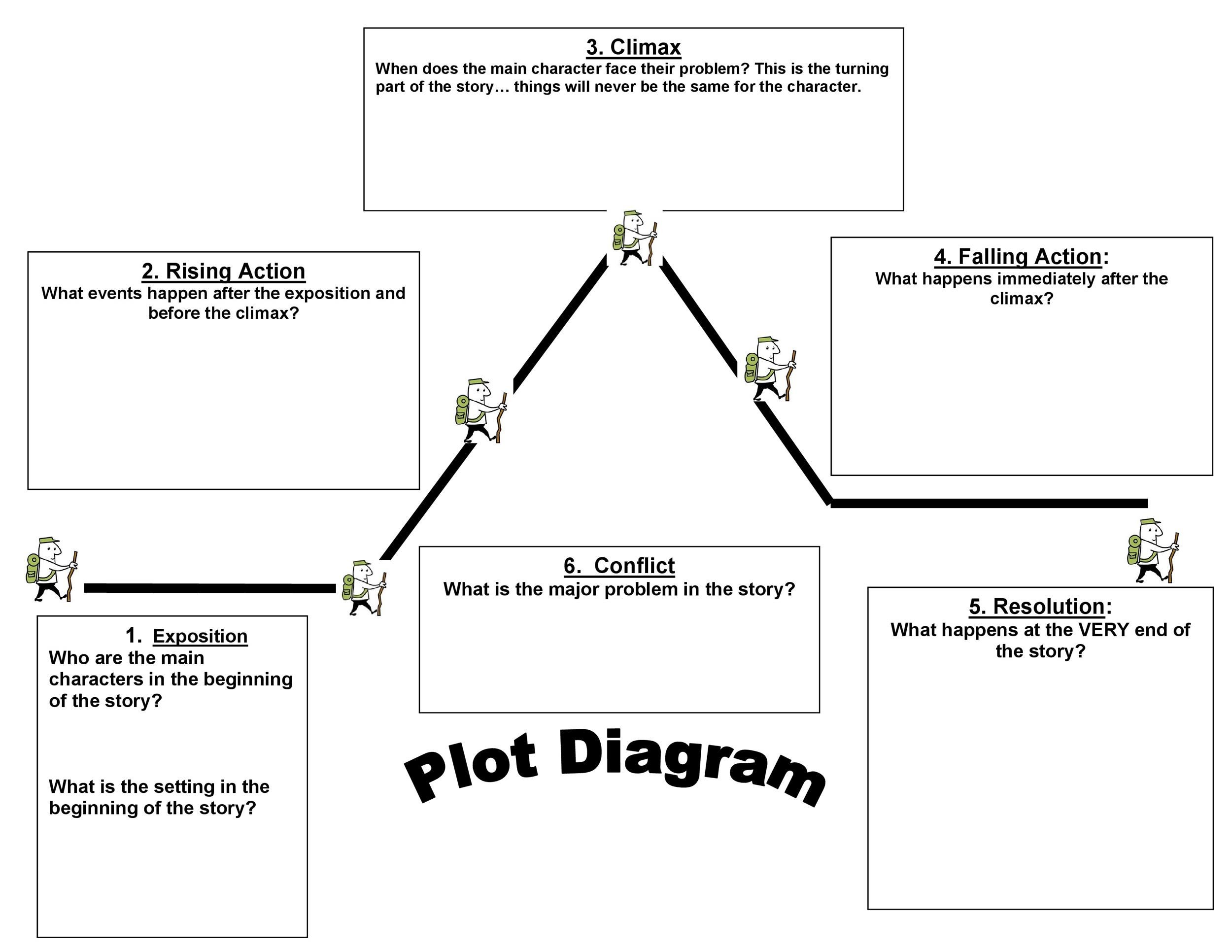
In the realm of storytelling, the visual representation of a plot can be as important as the written word. A well-crafted plot diagram can help you visualize the structure of your story, making it easier to identify strengths and weaknesses. Here is an example of a basic plot diagram:

This diagram illustrates the classic plot and plot structure, with the exposition, rising action, climax, falling action, and resolution clearly marked. It serves as a useful tool for planning and refining your narrative.
In the realm of storytelling, the visual representation of a plot can be as important as the written word. A well-crafted plot diagram can help you visualize the structure of your story, making it easier to identify strengths and weaknesses. Here is an example of a basic plot diagram:
This diagram illustrates the classic plot and plot structure, with the exposition, rising action, climax, falling action, and resolution clearly marked. It serves as a useful tool for planning and refining your narrative.
In the realm of storytelling, the visual representation of a plot can be as important as the written word. A well-crafted plot diagram can help you visualize the structure of your story, making it easier to identify strengths and weaknesses. Here is an example of a basic plot diagram:
This diagram illustrates the classic plot and plot structure, with the exposition, rising action, climax, falling action, and resolution clearly marked. It serves as a useful tool for planning and refining your narrative.
In the realm of storytelling, the visual representation of a plot can be as important as the written word. A well-crafted plot diagram can help you visualize the structure of your story, making it easier to identify strengths and weaknesses. Here is an example of a basic plot diagram:
This diagram illustrates the classic plot and plot structure, with the exposition, rising action, climax, falling action, and resolution clearly marked. It serves as a useful tool for planning and refining your narrative.
In the realm of storytelling, the visual representation of a plot can be as important as the written word. A well-crafted plot diagram can help you visualize the structure of your story, making it easier to identify strengths and weaknesses. Here is an example of a basic plot diagram:
This diagram illustrates the classic plot and plot structure, with the exposition, rising action, climax, falling action, and resolution clearly marked. It serves as a useful tool for planning and refining your narrative.
In the realm of storytelling, the visual representation of a plot can be as important as the written word. A well-crafted plot diagram can help you visualize the structure of your story, making it easier to identify strengths and weaknesses. Here is an example of a basic plot diagram:
This diagram illustrates the classic plot and plot structure, with the exposition, rising action, climax, falling action, and resolution clearly marked. It serves as a useful tool for planning and refining your narrative.
In the realm of storytelling, the visual representation of a plot can be as important as the written word. A well-crafted plot diagram can help you visualize the structure of your story, making it easier to identify strengths and weaknesses. Here is an example of a basic plot diagram:
This diagram illustrates the classic plot and plot structure, with the exposition, rising action, climax, falling action, and resolution clearly marked. It serves as a useful tool for planning and refining your narrative.
In the realm of storytelling, the visual representation of a plot can be as important as the written word. A well-crafted plot diagram can help you visualize the structure of your story, making it easier to identify strengths and weaknesses. Here is an example of a basic plot diagram:
This diagram illustrates the classic plot and plot structure, with the exposition, rising action, climax, falling action, and resolution clearly marked. It serves as a useful tool for planning and refining your narrative.
In the realm of storytelling, the visual representation of a plot can be as important as the written word. A well-crafted plot diagram can help you visualize the structure of your story, making it easier to identify strengths and weaknesses. Here is an example of a basic plot diagram:
This diagram illustrates the classic plot and plot structure, with the exposition, rising action, climax, falling action, and resolution clearly marked. It serves as a useful tool for planning and refining your narrative.
In the realm of storytelling, the visual representation of a plot can be as important as the written word. A well-crafted plot diagram can help you visualize the structure of your story, making it easier to identify strengths and weaknesses. Here is an example of a basic plot diagram:
This diagram illustrates the classic plot and plot structure, with the exposition, rising action, climax, falling action, and resolution clearly marked. It serves as a useful tool for planning and refining your narrative.
In the realm of storytelling, the visual representation of a plot can be as important as the written word. A well-crafted plot diagram can help you visualize the structure of your story, making it easier to identify strengths and weaknesses. Here is an example of a basic plot diagram:
This diagram illustrates the classic plot and plot structure, with the exposition, rising action, climax, falling action, and resolution clearly marked. It serves as a useful tool for planning and refining your narrative.
In the realm of storytelling, the visual representation of a plot can be as important as the written word. A well-crafted plot diagram can help you visualize the structure of your story, making it easier to identify strengths and weaknesses. Here is an example of a basic plot diagram:
This diagram illustrates the classic plot and plot structure, with the exposition, rising action, climax, falling action, and resolution clearly marked. It serves as a useful tool for planning and refining your narrative.
In the realm of storytelling, the visual representation of a plot can be as important as the written word. A well-crafted plot diagram can help you visualize the structure of your story, making it easier to identify strengths and weaknesses. Here is an example of a basic plot diagram:
This diagram illustrates the classic plot and plot structure, with the exposition, rising action, climax, falling action, and resolution clearly marked. It serves as a useful tool for planning and refining your narrative.
In the realm of storytelling, the visual representation of a plot can be as important as the written word. A well-crafted plot diagram can help you visualize the structure of your story, making it easier to identify strengths and weaknesses. Here is an example of a basic plot diagram:
This diagram illustrates the classic plot and plot structure, with the exposition, rising action, climax, falling action, and resolution clearly marked. It serves as a useful tool for planning and refining your narrative.
In the realm of storytelling, the visual representation of a plot can be as important as the written word. A well-crafted plot diagram can help you visualize the structure of your story, making it easier to identify strengths and weaknesses. Here is an example of a basic plot diagram:
This diagram illustrates the classic plot and plot structure, with the exposition, rising action, climax, falling action, and resolution clearly marked. It serves as a useful tool for planning and refining your narrative.
In the realm of storytelling, the visual representation of a plot can be as important as the written word. A well-crafted plot diagram can help you visualize the structure of your story, making it easier to identify strengths and weaknesses. Here is an example of a basic plot diagram:
This diagram illustrates the classic plot and plot structure, with the exposition, rising action, climax, falling action, and resolution clearly marked. It serves as a useful tool for planning and refining your narrative.
In the realm of storytelling, the visual representation of a plot can be as important as the written word. A well-crafted plot diagram can help you visualize the structure of your story, making it easier to identify strengths and weaknesses. Here is an example of a basic plot diagram:
This diagram illustrates the classic plot and plot structure, with the exposition, rising action, climax, falling action, and resolution clearly marked. It serves as a useful tool for planning and refining your narrative.
In the realm of storytelling, the visual representation of a plot can be as important as the written word. A well-crafted plot diagram can help you visualize the structure of your story, making it easier to identify strengths and weaknesses. Here is an example of a basic plot diagram:
This diagram illustrates the classic plot and plot structure, with the exposition, rising action, climax, falling action, and resolution clearly marked. It serves as a useful tool for planning and refining your narrative.
In the realm of storytelling, the visual representation of a plot can be as important as the written word. A well-crafted plot diagram can help you visualize the structure of your story, making it easier to identify strengths and weaknesses. Here is an example of a basic plot diagram:
This diagram illustrates the classic plot and plot structure, with the exposition, rising action, climax, falling action, and resolution clearly marked. It serves as a useful tool for planning and refining your narrative.
In the realm of storytelling, the visual representation of a plot can be as important as the written word. A well-crafted plot diagram can help you visualize the structure of your story, making it easier to identify strengths and weaknesses. Here is an example of a basic plot diagram:
This diagram illustrates the classic plot and plot structure, with the exposition, rising action, climax, falling action, and resolution clearly marked. It serves as a useful tool for planning and refining your narrative.
In the realm of storytelling, the visual representation of a plot can be as important as the written word. A well-crafted plot diagram can help you visualize the structure of your story, making it easier to identify strengths and weaknesses. Here is an example of a basic plot diagram:
This diagram illustrates the classic plot and plot structure, with the exposition, rising action, climax, falling action, and resolution clearly marked. It serves as a useful tool for planning and refining your narrative.
In the realm of storytelling, the visual representation of a plot can be as important as the written word. A well-crafted plot diagram can help you visualize the structure of your story, making it easier to identify strengths and weaknesses. Here is an example of a basic plot diagram:
This diagram illustrates the classic plot and plot structure, with the exposition, rising action, climax, falling action, and resolution clearly marked. It serves as a useful tool for planning and refining your narrative.
In the realm of storytelling, the visual representation of a plot can be as important as the written word. A well-crafted plot diagram can help you visualize the structure of your story, making it easier to identify strengths and weaknesses. Here is an example of a basic plot diagram:
This diagram illustrates the classic plot and plot structure, with the exposition, rising action, climax, falling action, and resolution clearly marked. It serves as a useful tool for planning and refining your narrative.
In the realm of storytelling, the visual representation of a plot can be as important as the written word. A well-crafted plot diagram can help you visualize the structure of your story, making it easier to identify strengths and weaknesses. Here is an example of a basic plot diagram:
This diagram illustrates the classic plot and plot structure, with the exposition, rising action, climax, falling action, and resolution clearly marked. It serves as a useful tool for planning and refining your narrative.
In the realm of storytelling, the visual representation of a plot can be as important as the written word. A well-crafted plot diagram can help you visualize the structure of your story, making it easier to identify strengths and weaknesses. Here is an example of a basic plot diagram:
This diagram illustrates the classic plot and plot structure, with the exposition, rising action, climax, falling action, and resolution clearly marked. It serves as a useful tool for planning and refining your narrative.
In the realm of storytelling, the visual representation of a plot can be as important as the written word. A well-crafted plot diagram can help you visualize the structure of your story, making it easier to identify strengths and weaknesses. Here is an example of a basic plot diagram:
This diagram illustrates the classic plot and plot structure, with the exposition, rising action, climax, falling action, and resolution clearly marked. It serves as a useful tool for planning and refining your narrative.
In the realm of storytelling, the visual representation of a plot can be as important as the written word. A well-crafted plot diagram can help you visualize the structure of your story, making it easier to identify strengths and weaknesses. Here is an example of a basic plot diagram:
This
Related Terms:
- plot structure examples
- plot structure definition
- plot structure anchor chart
- plot narrative
- plot structure def
- plot structure diagram