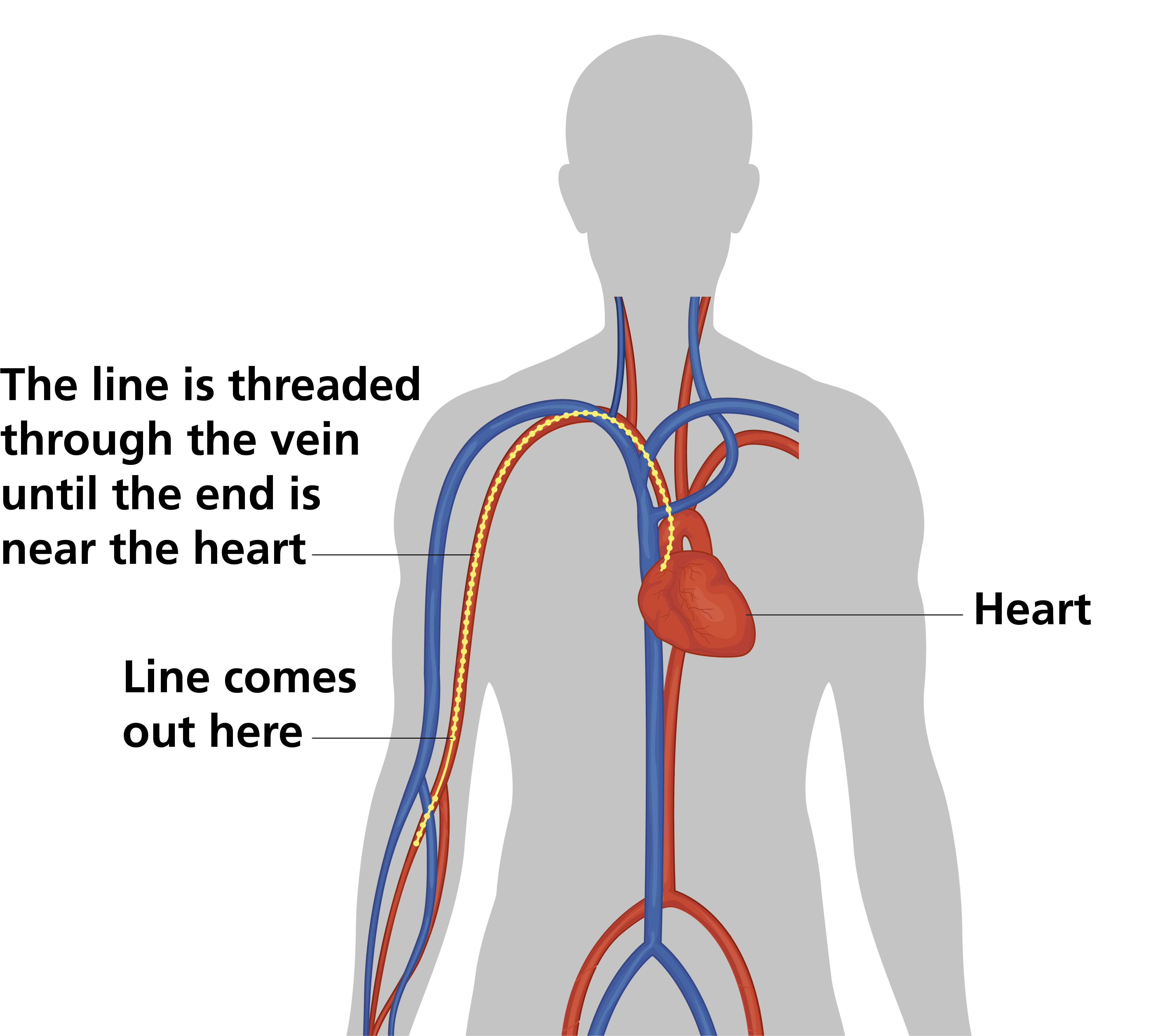
When it comes to vascular access for medical procedures, the choice between a Picc Line vs CVC (Central Venous Catheter) is crucial. Both are used for administering medications, fluids, and nutrients directly into the bloodstream, but they have distinct differences in terms of insertion, use, and potential complications. Understanding these differences can help healthcare providers and patients make informed decisions about the best option for their specific needs.
Understanding Picc Lines
A Peripherally Inserted Central Catheter (PICC) line is a type of central venous catheter that is inserted into a peripheral vein, typically in the arm, and advanced until the tip reaches a large vein near the heart. PICC lines are commonly used for long-term intravenous access, such as for chemotherapy, antibiotics, or total parenteral nutrition (TPN).
Insertion and Placement
The insertion of a PICC line is usually performed at the bedside by a trained nurse or physician. The procedure involves:
- Cleaning the insertion site with an antiseptic solution.
- Using ultrasound guidance to locate a suitable vein.
- Inserting the catheter through the skin and advancing it to the desired position.
- Securing the catheter in place with sutures or a securement device.
📌 Note: The insertion site is typically the cephalic or basilic vein in the upper arm.
Advantages of PICC Lines
PICC lines offer several advantages, including:
- Ease of Insertion: PICC lines can be inserted at the bedside, reducing the need for a trip to the operating room.
- Long-Term Use: They are suitable for long-term intravenous access, often lasting for weeks to months.
- Reduced Risk of Infection: The peripheral insertion site has a lower risk of infection compared to central insertion sites.
- Patient Comfort: PICC lines are generally more comfortable for patients, as they do not require a neck or chest insertion.
Disadvantages of PICC Lines
Despite their advantages, PICC lines also have some drawbacks:
- Limited Flow Rates: PICC lines may not be suitable for high-flow rate infusions.
- Risk of Thrombosis: There is a risk of blood clots forming around the catheter.
- Limited Access: PICC lines are not suitable for all types of intravenous therapies, such as those requiring frequent blood draws.
Understanding Central Venous Catheters (CVCs)
A Central Venous Catheter (CVC) is a catheter that is inserted directly into a large vein near the heart, typically the subclavian, internal jugular, or femoral vein. CVCs are used for a variety of purposes, including administering medications, monitoring central venous pressure, and providing rapid access to the bloodstream in emergency situations.
Insertion and Placement
The insertion of a CVC is usually performed in a sterile environment, such as an operating room or interventional radiology suite. The procedure involves:
- Cleaning the insertion site with an antiseptic solution.
- Using ultrasound or fluoroscopy guidance to locate a suitable vein.
- Inserting the catheter through the skin and advancing it to the desired position.
- Securing the catheter in place with sutures or a securement device.
📌 Note: The insertion site is typically the subclavian, internal jugular, or femoral vein.
Advantages of CVCs
CVCs offer several advantages, including:
- Rapid Access: CVCs provide rapid access to the central venous system, making them ideal for emergency situations.
- High Flow Rates: They can handle high-flow rate infusions, making them suitable for administering large volumes of fluids or medications.
- Versatility: CVCs can be used for a variety of purposes, including monitoring central venous pressure and administering total parenteral nutrition (TPN).
Disadvantages of CVCs
Despite their advantages, CVCs also have some drawbacks:
- Increased Risk of Infection: The central insertion site has a higher risk of infection compared to peripheral insertion sites.
- Invasive Procedure: The insertion of a CVC is more invasive and requires a sterile environment.
- Patient Discomfort: CVCs can be more uncomfortable for patients, as they require a neck or chest insertion.
Comparing Picc Line vs CVC
When deciding between a Picc Line vs CVC, several factors should be considered, including the duration of use, the type of therapy required, and the patient's overall health status.
| Factor | PICC Line | CVC |
|---|---|---|
| Insertion Site | Peripheral vein (arm) | Central vein (neck, chest, or groin) |
| Duration of Use | Long-term (weeks to months) | Short to long-term (days to weeks) |
| Flow Rates | Lower flow rates | Higher flow rates |
| Risk of Infection | Lower risk | Higher risk |
| Patient Comfort | More comfortable | Less comfortable |
| Versatility | Limited to certain therapies | Versatile for various therapies |
Choosing the Right Option
Choosing between a Picc Line vs CVC depends on several factors, including the patient's specific needs, the type of therapy required, and the duration of treatment. Healthcare providers should consider the following factors when making a decision:
- Duration of Treatment: For long-term treatments, a PICC line may be more suitable. For short-term or emergency treatments, a CVC may be more appropriate.
- Type of Therapy: For therapies requiring high-flow rates or frequent blood draws, a CVC may be necessary. For therapies that do not require frequent access, a PICC line may be sufficient.
- Patient Comfort: For patients who prefer a less invasive procedure and greater comfort, a PICC line may be the better choice.
- Risk of Infection: For patients at high risk of infection, a PICC line may be preferable due to its lower infection risk.
📌 Note: The decision should be made in consultation with the healthcare provider, taking into account the patient's individual needs and preferences.
In summary, both PICC lines and CVCs have their own advantages and disadvantages. The choice between the two depends on the specific needs of the patient and the type of therapy required. Healthcare providers should carefully consider these factors when making a decision to ensure the best possible outcome for the patient.
Related Terms:
- central lines vs picc line
- picc line vs subclavian catheter
- central venous line vs picc
- central line catheter vs picc
- is a picc central line
- central venous catheter vs line