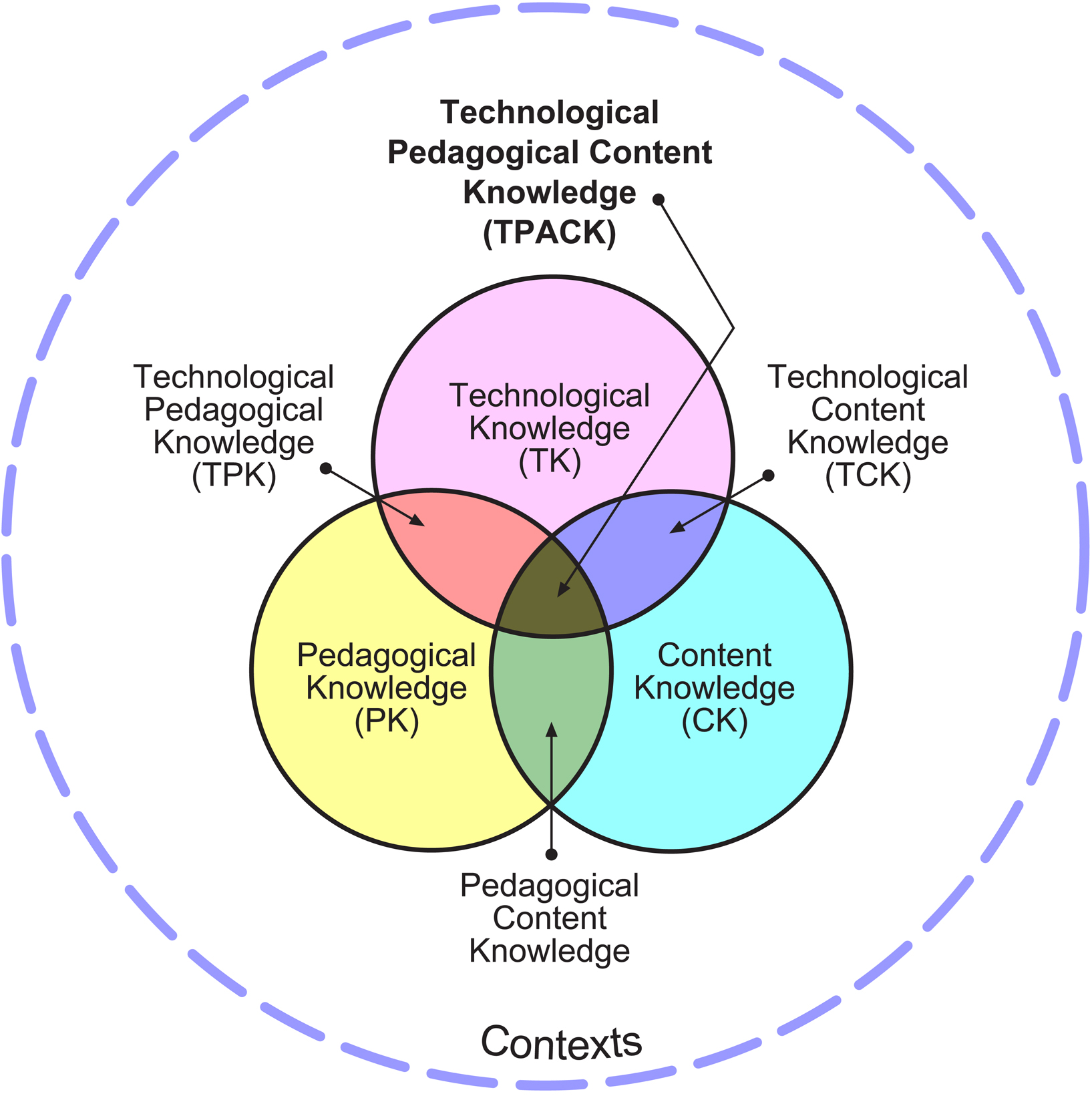
In the dynamic landscape of education, the concept of Pedagogical Content Knowledge (PCK) has emerged as a cornerstone for effective teaching. PCK refers to the specialized knowledge that teachers possess, which combines their understanding of the subject matter with their pedagogical skills. This unique blend enables educators to present complex ideas in a way that is accessible and engaging for students. Understanding and leveraging PCK is crucial for enhancing educational outcomes and fostering a more effective learning environment.
Understanding Pedagogical Content Knowledge
Pedagogical Content Knowledge is a term coined by Lee Shulman in 1986 to describe the unique body of knowledge that teachers use to transform subject matter into teachable content. It encompasses not just what teachers know, but also how they teach it. This knowledge is distinct from general pedagogical knowledge, which focuses on teaching methods and strategies, and content knowledge, which pertains to the subject matter itself.
PCK is essential because it helps teachers to:
- Identify common misconceptions and errors that students might encounter.
- Develop effective teaching strategies tailored to the specific subject matter.
- Create engaging and relevant learning materials.
- Assess student understanding accurately and provide meaningful feedback.
The Components of Pedagogical Content Knowledge
PCK can be broken down into several key components, each playing a vital role in the teaching process:
Content Knowledge
This refers to the teacher's deep understanding of the subject matter they are teaching. It includes:
- Factual knowledge: The basic information and concepts related to the subject.
- Conceptual knowledge: The ability to understand and explain the underlying principles and theories.
- Procedural knowledge: The skills and techniques required to apply the subject matter.
Pedagogical Knowledge
This involves the methods and strategies used to deliver instruction effectively. It includes:
- Classroom management techniques.
- Assessment methods.
- Instructional strategies.
Curricular Knowledge
This pertains to the structure and organization of the curriculum. It includes:
- Understanding the sequence of topics and concepts.
- Knowledge of educational standards and guidelines.
- Ability to align teaching with curriculum objectives.
Knowledge of Students
This involves understanding the diverse needs, backgrounds, and learning styles of students. It includes:
- Cultural and social backgrounds.
- Learning preferences and styles.
- Individual strengths and weaknesses.
Knowledge of Educational Contexts
This refers to the broader context in which teaching and learning occur. It includes:
- School policies and procedures.
- Community and parental involvement.
- Available resources and support systems.
Developing Pedagogical Content Knowledge
Developing PCK is an ongoing process that requires continuous learning and reflection. Here are some strategies to enhance PCK:
Professional Development
Engaging in professional development activities can significantly enhance a teacher's PCK. This includes:
- Workshops and seminars on specific subject areas.
- Online courses and webinars.
- Collaborative learning communities and study groups.
Reflective Practice
Reflective practice involves regularly reflecting on one's teaching methods and outcomes. This can be done through:
- Journaling about teaching experiences.
- Seeking feedback from colleagues and students.
- Analyzing student performance data.
Collaboration with Colleagues
Collaborating with other educators can provide valuable insights and new perspectives. This can be achieved through:
- Team teaching and co-planning.
- Participating in professional learning communities.
- Sharing resources and best practices.
Engaging with Research
Staying updated with the latest research in education and the specific subject area can enhance PCK. This includes:
- Reading academic journals and articles.
- Attending conferences and symposiums.
- Conducting action research in the classroom.
The Role of Pedagogical Content Knowledge in Curriculum Design
PCK plays a crucial role in curriculum design, ensuring that the content is not only accurate but also engaging and accessible. Here are some key considerations:
Aligning with Educational Standards
Curriculum design should align with educational standards and guidelines. This ensures that the content meets the required learning outcomes and prepares students for assessments.
Sequencing Content
Content should be sequenced in a logical and progressive manner. This helps students build a solid foundation and understand more complex concepts over time.
Incorporating Diverse Learning Activities
Including a variety of learning activities can cater to different learning styles and keep students engaged. This can involve:
- Lectures and discussions.
- Group projects and collaborative learning.
- Hands-on activities and experiments.
Assessing Student Understanding
Regular assessment is essential to gauge student understanding and identify areas for improvement. This can be done through:
- Formative assessments such as quizzes and class discussions.
- Summative assessments such as exams and projects.
- Peer and self-assessments.
Challenges in Developing Pedagogical Content Knowledge
While PCK is essential for effective teaching, developing it can present several challenges. Some of the common obstacles include:
Limited Resources
Access to resources such as professional development opportunities, research materials, and collaborative networks can be limited, especially in under-resourced schools.
Time Constraints
Teachers often have limited time to engage in professional development and reflective practice due to their busy schedules.
Lack of Support
Inadequate support from school administration and colleagues can hinder the development of PCK.
Resistance to Change
Some teachers may be resistant to adopting new teaching methods and strategies, preferring to stick with familiar approaches.
📚 Note: Addressing these challenges requires a concerted effort from educators, school administrators, and policymakers to create a supportive and resource-rich environment for professional development.
Case Studies: Pedagogical Content Knowledge in Action
To illustrate the practical application of PCK, let's examine a few case studies:
Case Study 1: Science Education
In a high school science classroom, a teacher uses PCK to design a unit on photosynthesis. The teacher:
- Identifies common misconceptions about photosynthesis.
- Develops hands-on experiments to demonstrate the process.
- Uses visual aids and analogies to explain complex concepts.
- Assesses student understanding through quizzes and lab reports.
Case Study 2: Mathematics Education
In a middle school mathematics classroom, a teacher uses PCK to teach fractions. The teacher:
- Understands the developmental stages of fraction understanding.
- Uses manipulatives and real-world examples to illustrate fractions.
- Provides differentiated instruction to cater to diverse learning needs.
- Assesses student progress through formative and summative assessments.
Case Study 3: Language Arts Education
In an elementary school language arts classroom, a teacher uses PCK to teach reading comprehension. The teacher:
- Selects age-appropriate texts that align with curriculum standards.
- Uses graphic organizers and discussion prompts to enhance comprehension.
- Provides individualized feedback and support.
- Assesses student understanding through reading quizzes and writing assignments.
The Future of Pedagogical Content Knowledge
As education continues to evolve, so too will the concept of PCK. Emerging trends and technologies are shaping the way teachers develop and apply their PCK. Some key areas to watch include:
Technology Integration
The integration of technology in the classroom is transforming the way teachers deliver instruction. This includes:
- Using digital tools and platforms for teaching and assessment.
- Incorporating multimedia resources to enhance learning.
- Leveraging data analytics to track student progress.
Personalized Learning
Personalized learning approaches tailor instruction to the individual needs and preferences of students. This involves:
- Using adaptive learning technologies.
- Providing differentiated instruction.
- Offering flexible learning pathways.
Interdisciplinary Approaches
Interdisciplinary teaching integrates multiple subjects to provide a holistic learning experience. This can involve:
- Project-based learning that combines science, mathematics, and language arts.
- Cross-curricular units that explore themes from different perspectives.
- Collaborative teaching and learning across subject areas.
Global Education
Global education prepares students to be global citizens by fostering an understanding of diverse cultures and perspectives. This includes:
- Incorporating global themes and issues into the curriculum.
- Encouraging cultural exchange and collaboration.
- Promoting language learning and intercultural communication.
In conclusion, Pedagogical Content Knowledge is a vital component of effective teaching. It enables educators to transform subject matter into engaging and accessible content, catering to the diverse needs of their students. By continuously developing and applying PCK, teachers can enhance educational outcomes and foster a more effective learning environment. The future of PCK is bright, with emerging trends and technologies offering new opportunities for innovation and growth in education. As educators embrace these advancements, they will be better equipped to meet the challenges of the 21st century and prepare students for success in a rapidly changing world.
Related Terms:
- pedagogical content knowledge pdf
- pedagogical content knowledge shulman
- pedagogical content knowledge theory
- pedagogical content knowledge taxonomies
- technology pedagogical content knowledge
- pedagogical knowledge meaning