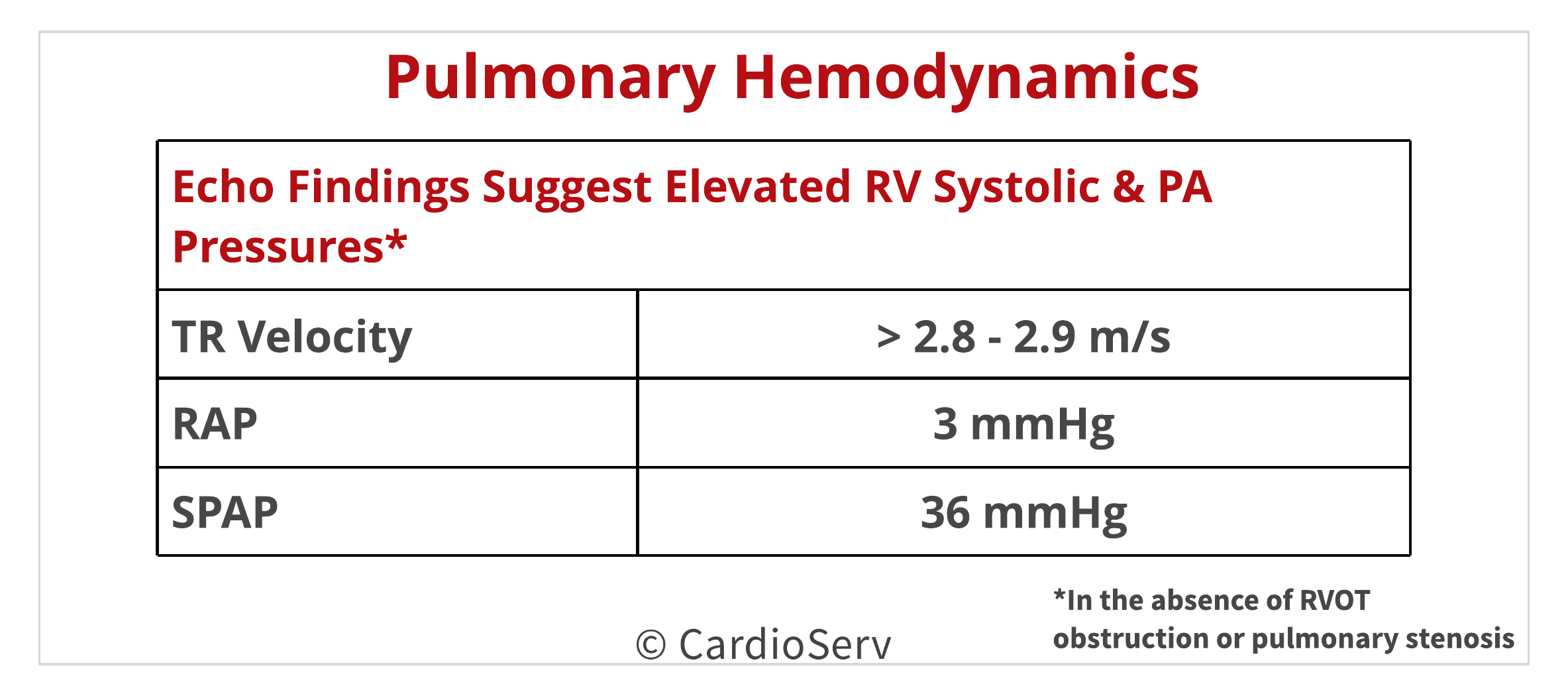
Understanding the PCWP normal range is crucial for healthcare professionals and patients alike, as it provides valuable insights into cardiac function and overall health. PCWP, or Pulmonary Capillary Wedge Pressure, is a measurement obtained during a right heart catheterization. It reflects the pressure in the left atrium and is used to assess the function of the left ventricle and the presence of certain cardiac conditions.
What is PCWP?
PCWP is a measurement that estimates the pressure in the left atrium of the heart. This pressure is crucial for understanding the function of the left ventricle, which pumps oxygenated blood to the rest of the body. The measurement is obtained by inserting a catheter into the pulmonary artery and then wedging it into a smaller branch. The pressure recorded at this point is considered to be a close approximation of the left atrial pressure.
Importance of PCWP in Cardiac Health
The PCWP normal range is essential for diagnosing and managing various cardiac conditions. Here are some key points highlighting its importance:
- Assessing Left Ventricular Function: PCWP helps in evaluating the left ventricle’s ability to pump blood effectively. Elevated PCWP can indicate left ventricular dysfunction or failure.
- Diagnosing Heart Failure: An abnormal PCWP can be a sign of heart failure, particularly when it is elevated. This information is crucial for determining the appropriate treatment plan.
- Monitoring Fluid Status: PCWP is used to monitor fluid status in patients with conditions like pulmonary edema, where fluid accumulates in the lungs. This helps in managing fluid balance and preventing complications.
- Guiding Therapy: PCWP measurements guide therapeutic decisions, such as the use of diuretics, vasodilators, or other medications to manage cardiac conditions.
Understanding the PCWP Normal Range
The PCWP normal range typically falls between 6 to 12 mmHg. This range indicates that the left atrium and left ventricle are functioning normally, and there is no significant pressure buildup. However, it’s important to note that individual variations can occur, and the interpretation of PCWP values should be done in the context of the patient’s overall clinical picture.
Factors Affecting PCWP
Several factors can influence PCWP measurements, and it’s essential to consider these when interpreting the results:
- Volume Status: Changes in fluid volume can affect PCWP. For example, dehydration can lower PCWP, while fluid overload can increase it.
- Cardiac Function: Impaired left ventricular function can lead to elevated PCWP, indicating heart failure or other cardiac issues.
- Respiratory Conditions: Conditions like chronic obstructive pulmonary disease (COPD) or pulmonary hypertension can affect PCWP by altering pulmonary vascular resistance.
- Medications: Certain medications, such as diuretics or vasodilators, can influence PCWP by altering fluid balance or vascular tone.
Interpreting PCWP Values
Interpreting PCWP values requires a comprehensive understanding of the patient’s clinical status. Here are some general guidelines for interpreting PCWP values:
- Normal PCWP (6-12 mmHg): Indicates normal left atrial pressure and left ventricular function.
- Elevated PCWP (>12 mmHg): Suggests left ventricular dysfunction, heart failure, or fluid overload. Further evaluation is needed to determine the underlying cause.
- Low PCWP (<6 mmHg): May indicate hypovolemia, dehydration, or other conditions affecting fluid status. It can also be seen in certain cardiac conditions like constrictive pericarditis.
Clinical Scenarios and PCWP
PCWP measurements are particularly useful in various clinical scenarios. Here are some examples:
- Acute Decompensated Heart Failure: In patients with acute decompensated heart failure, PCWP can help guide therapy by assessing the response to diuretics or vasodilators.
- Pulmonary Edema: PCWP is crucial in managing pulmonary edema, as it helps in monitoring fluid status and guiding diuretic therapy.
- Cardiogenic Shock: In cases of cardiogenic shock, PCWP can provide insights into the severity of left ventricular dysfunction and guide supportive measures.
PCWP Measurement Procedure
The procedure for measuring PCWP involves inserting a catheter into the pulmonary artery and then wedging it into a smaller branch. The steps are as follows:
- Insertion of a Swan-Ganz catheter through a peripheral vein, typically the internal jugular or femoral vein.
- Advancement of the catheter into the right atrium, right ventricle, and then into the pulmonary artery.
- Wedding the catheter into a smaller pulmonary artery branch to obtain the PCWP measurement.
- Recording the pressure and interpreting the results in the context of the patient’s clinical status.
📝 Note: The procedure should be performed by trained healthcare professionals in a controlled environment to minimize risks and ensure accurate measurements.
Complications and Risks
While PCWP measurement is a valuable diagnostic tool, it is not without risks. Some potential complications include:
- Arrhythmias: The insertion and manipulation of the catheter can cause arrhythmias, which may require treatment.
- Pulmonary Artery Rupture: Although rare, the catheter can cause a rupture in the pulmonary artery, leading to life-threatening bleeding.
- Infection: There is a risk of infection at the insertion site or systemic infection, which can be managed with appropriate antibiotic therapy.
- Thromboembolism: Blood clots can form around the catheter, leading to thromboembolic events.
Alternative Methods for Assessing Cardiac Function
In addition to PCWP, there are other methods for assessing cardiac function and fluid status. Some of these include:
- Echocardiography: Provides detailed images of the heart and can assess left ventricular function, valve function, and fluid status.
- B-type Natriuretic Peptide (BNP) Levels: Elevated BNP levels can indicate heart failure and are useful in monitoring patients with cardiac conditions.
- Cardiac Magnetic Resonance Imaging (MRI): Offers high-resolution images of the heart and can provide detailed information about cardiac structure and function.
- Invasive Hemodynamic Monitoring: Includes other measurements like cardiac output, systemic vascular resistance, and pulmonary vascular resistance, which can provide a comprehensive assessment of cardiac function.
Conclusion
The PCWP normal range is a critical parameter in assessing cardiac function and managing various cardiac conditions. Understanding the factors that influence PCWP and interpreting the values accurately is essential for healthcare professionals. While PCWP measurement provides valuable insights, it should be used in conjunction with other diagnostic tools and clinical assessments to ensure comprehensive patient care. By leveraging PCWP and other diagnostic methods, healthcare providers can optimize treatment plans and improve patient outcomes.
Related Terms:
- how to get pcwp
- how to measure pcwp
- mpap pcwp
- elevated pcwp meaning
- normal pcw pressure
- pulmonary capillary wedge pressure range