When it comes to root vegetables, the debate between Parsnip vs Turnip often arises among gardeners and culinary enthusiasts. Both vegetables are versatile and nutritious, but they have distinct characteristics that set them apart. Understanding the differences between parsnips and turnips can help you make informed decisions about which to grow in your garden or use in your recipes.
What is a Parsnip?
A parsnip is a root vegetable that belongs to the carrot family. It has a long, tapered root with a creamy white color and a sweet, nutty flavor. Parsnips are typically harvested in the fall and winter months, as their sweetness intensifies after a frost. They are rich in vitamins and minerals, including vitamin C, vitamin K, and potassium.
What is a Turnip?
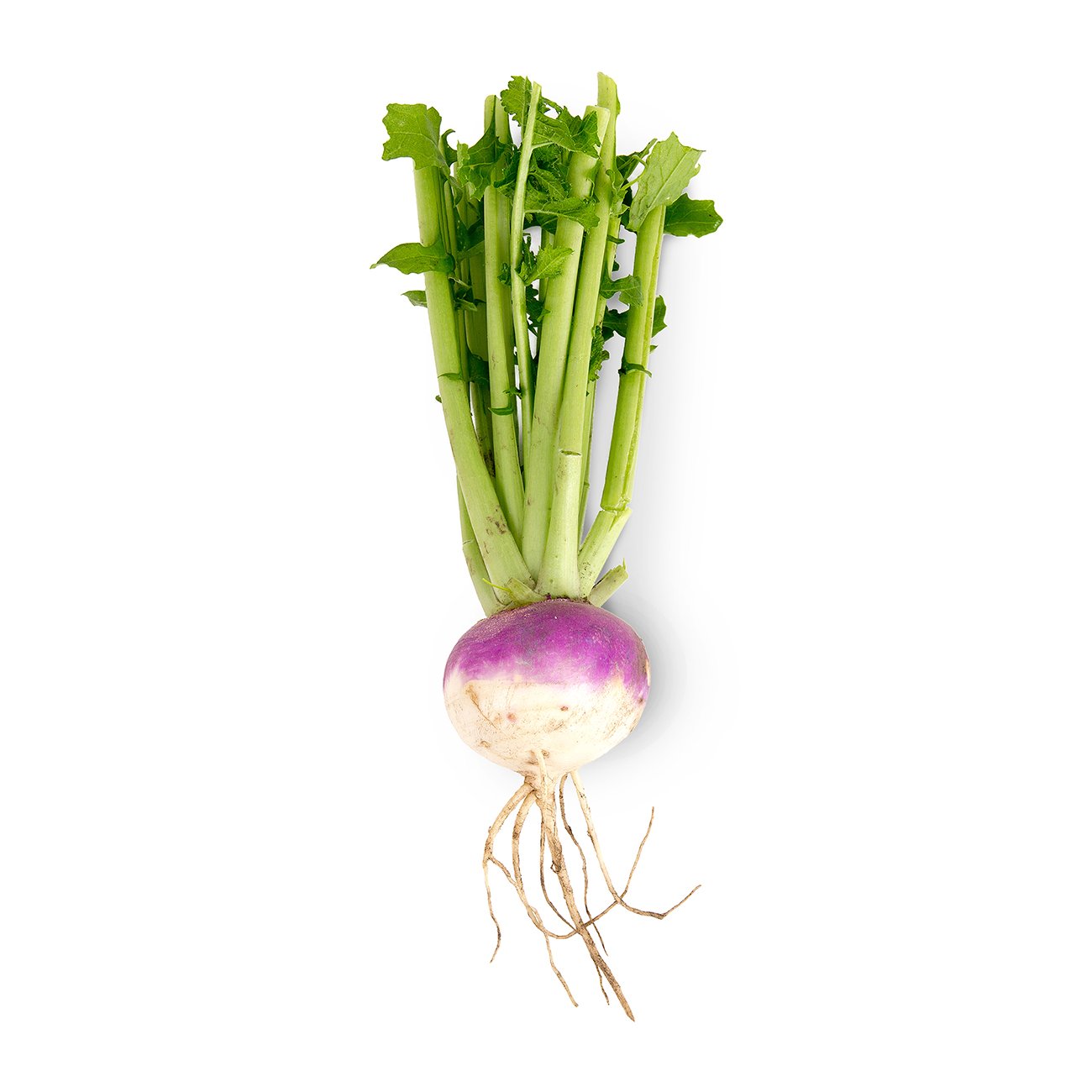
A turnip is another root vegetable, but it belongs to the brassica family, which also includes cabbage and broccoli. Turnips have a round, bulbous root with a purple or white skin and a white or yellowish flesh. They have a mild, slightly peppery flavor and are often used in soups, stews, and roasted dishes. Turnips are also a good source of vitamins and minerals, including vitamin C, calcium, and potassium.
Parsnip vs Turnip: Key Differences
While both parsnips and turnips are root vegetables, there are several key differences between the two. Here are some of the most notable distinctions:
- Appearance: Parsnips have a long, tapered shape with creamy white skin, while turnips have a round, bulbous shape with purple or white skin.
- Flavor: Parsnips have a sweet, nutty flavor, while turnips have a mild, slightly peppery flavor.
- Texture: Parsnips have a firm, slightly fibrous texture, while turnips have a softer, more tender texture.
- Nutritional Content: Both vegetables are nutritious, but parsnips are higher in vitamin C and potassium, while turnips are higher in calcium.
- Growing Season: Parsnips are typically harvested in the fall and winter, while turnips can be harvested in the spring, summer, or fall.
Growing Parsnips vs Turnips
Both parsnips and turnips are relatively easy to grow, but they have different growing requirements and timelines.
Growing Parsnips
Parsnips prefer cool weather and well-drained soil. They should be sown directly in the garden in early spring or late summer, as they require a long growing season (about 120-140 days). Parsnips are slow to germinate, so it's important to keep the soil consistently moist until they sprout. Once established, parsnips are relatively low-maintenance and can tolerate light frosts.
Growing Turnips
Turnips are more versatile and can be grown in a wider range of conditions. They prefer cool weather and well-drained soil, but they can tolerate warmer temperatures and heavier soils than parsnips. Turnips can be sown directly in the garden in early spring, summer, or fall, and they have a shorter growing season (about 50-70 days). Turnips are also relatively low-maintenance and can tolerate light frosts.
Cooking with Parsnips vs Turnips
Both parsnips and turnips are versatile in the kitchen and can be used in a variety of dishes. Here are some popular ways to cook with each vegetable:
Cooking with Parsnips
Parsnips are often roasted, mashed, or pureed. Their sweet, nutty flavor pairs well with savory dishes, such as roasted meats and poultry. Here are some popular parsnip recipes:
- Roasted Parsnips: Toss parsnip slices with olive oil, salt, and pepper, and roast in the oven until tender and caramelized.
- Parsnip Soup: Cook parsnips with onions, garlic, and vegetable broth until tender, then blend until smooth and creamy.
- Parsnip Puree: Boil parsnips until tender, then mash or blend with butter, milk, and seasonings until smooth.
Cooking with Turnips
Turnips are often boiled, roasted, or pickled. Their mild, slightly peppery flavor makes them a good addition to soups, stews, and salads. Here are some popular turnip recipes:
- Roasted Turnips: Toss turnip slices with olive oil, salt, and pepper, and roast in the oven until tender and golden brown.
- Turnip Soup: Cook turnips with onions, potatoes, and vegetable broth until tender, then blend until smooth and creamy.
- Pickled Turnips: Thinly slice turnips and pickle in a mixture of vinegar, sugar, and spices until tangy and crisp.
Nutritional Comparison
Both parsnips and turnips are nutritious root vegetables, but they have different nutritional profiles. Here is a comparison of the nutritional content of parsnips and turnips per 100 grams of raw vegetable:
| Nutrient | Parsnip | Turnip |
|---|---|---|
| Calories | 75 | 28 |
| Carbohydrates | 16.5g | 5.9g |
| Fiber | 5.9g | 2.2g |
| Protein | 1.2g | 0.9g |
| Vitamin C | 20.6mg | 21.2mg |
| Vitamin K | 22.5µg | 0.1µg |
| Potassium | 375mg | 200mg |
| Calcium | 36mg | 30mg |
As you can see, parsnips are higher in calories, carbohydrates, fiber, and potassium, while turnips are higher in vitamin C and calcium. Both vegetables are low in fat and protein.
📝 Note: The nutritional content of parsnips and turnips can vary depending on the variety, growing conditions, and preparation methods.
Health Benefits of Parsnips vs Turnips
Both parsnips and turnips offer a range of health benefits due to their nutritional content. Here are some of the key health benefits of each vegetable:
Health Benefits of Parsnips
- Supports Digestive Health: Parsnips are high in fiber, which supports digestive health and helps prevent constipation.
- Boosts Immune System: Parsnips are a good source of vitamin C, which helps boost the immune system and fight infections.
- Promotes Bone Health: Parsnips contain vitamin K, which is essential for bone health and helps prevent osteoporosis.
- Regulates Blood Sugar: Parsnips have a low glycemic index, which means they help regulate blood sugar levels and prevent spikes in insulin.
Health Benefits of Turnips
- Supports Heart Health: Turnips are low in calories and high in fiber, which supports heart health and helps prevent heart disease.
- Boosts Immune System: Turnips are a good source of vitamin C, which helps boost the immune system and fight infections.
- Promotes Bone Health: Turnips are a good source of calcium, which is essential for bone health and helps prevent osteoporosis.
- Detoxifies the Body: Turnips contain glucosinolates, which help detoxify the body and prevent cancer.
Parsnip vs Turnip: Which is Better?
When it comes to Parsnip vs Turnip, there is no clear winner, as both vegetables have their own unique benefits and uses. The best choice depends on your personal preferences, growing conditions, and culinary needs. Here are some factors to consider when deciding between parsnips and turnips:
- Flavor: If you prefer a sweet, nutty flavor, choose parsnips. If you prefer a mild, slightly peppery flavor, choose turnips.
- Texture: If you prefer a firm, slightly fibrous texture, choose parsnips. If you prefer a softer, more tender texture, choose turnips.
- Growing Conditions: If you have cool weather and well-drained soil, both parsnips and turnips can thrive. However, parsnips require a longer growing season and are more sensitive to warmer temperatures.
- Culinary Uses: If you enjoy roasting, mashing, or pureeing vegetables, choose parsnips. If you enjoy boiling, roasting, or pickling vegetables, choose turnips.
Ultimately, the choice between parsnips and turnips comes down to personal preference. Both vegetables are nutritious and versatile, so feel free to experiment with different recipes and growing techniques to find what works best for you.
In conclusion, the debate between Parsnip vs Turnip highlights the unique characteristics and benefits of each vegetable. Whether you prefer the sweet, nutty flavor of parsnips or the mild, slightly peppery flavor of turnips, both vegetables offer a range of health benefits and culinary uses. By understanding the differences between parsnips and turnips, you can make informed decisions about which to grow in your garden or use in your recipes. So go ahead and give both a try – your taste buds and your health will thank you!
Related Terms:
- what does parsnip look like
- turnip vs parsnip vs rutabaga
- turnip vs radish parsnip
- turnips vs rutabagas parsnips
- parsnips vs turnips
- what do parsnips taste like