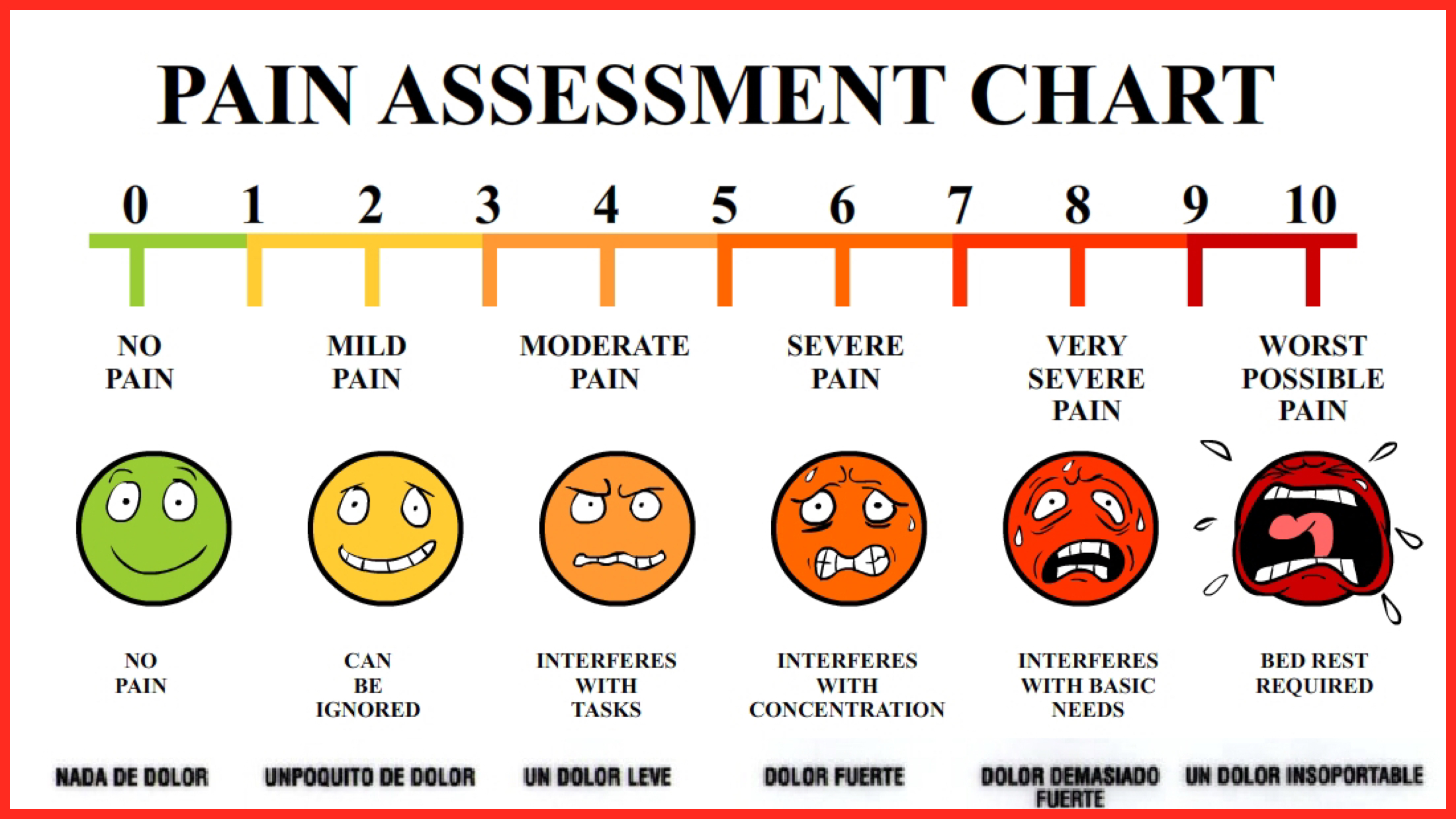
Pain management is a critical aspect of healthcare, and accurate assessment of pain is essential for effective treatment. One of the most widely used tools for pain assessment is the Pain Face Scale. This scale is particularly useful for individuals who may have difficulty verbalizing their pain, such as young children, the elderly, or those with cognitive impairments. The Pain Face Scale provides a visual representation of pain levels, making it easier for healthcare providers to understand and address the patient's discomfort.
Understanding the Pain Face Scale
The Pain Face Scale is a simple and effective tool that uses a series of faces to represent different levels of pain. Each face corresponds to a specific pain intensity, ranging from no pain to severe pain. The scale typically includes six faces, each with a different expression to indicate varying degrees of discomfort. This visual aid helps patients, especially those who are non-verbal or have limited communication skills, to convey their pain levels accurately.
How the Pain Face Scale Works
The Pain Face Scale is designed to be user-friendly and easy to understand. Here’s a breakdown of how it works:
- Face 1: No pain. The face shows a neutral expression, indicating that the person is not experiencing any discomfort.
- Face 2: Mild pain. The face shows a slight frown, suggesting a low level of discomfort.
- Face 3: Moderate pain. The face shows a more pronounced frown, indicating a higher level of pain.
- Face 4: Severe pain. The face shows a grimace, suggesting significant discomfort.
- Face 5: Very severe pain. The face shows a very intense grimace, indicating extreme pain.
- Face 6: Worst possible pain. The face shows the most intense expression of pain, suggesting unbearable discomfort.
Patients are asked to point to the face that best represents how they are feeling. This method allows healthcare providers to quickly assess the severity of the pain and take appropriate action.
Advantages of Using the Pain Face Scale
The Pain Face Scale offers several advantages over other pain assessment tools:
- Visual Representation: The visual nature of the scale makes it accessible to a wide range of patients, including those with limited verbal skills.
- Ease of Use: The scale is simple to use and understand, requiring minimal explanation.
- Quick Assessment: Healthcare providers can quickly assess pain levels, allowing for prompt intervention.
- Non-Invasive: The scale does not require any invasive procedures, making it a comfortable option for patients.
- Versatility: It can be used in various settings, including hospitals, clinics, and home care.
These advantages make the Pain Face Scale a valuable tool in pain management.
When to Use the Pain Face Scale
The Pain Face Scale is particularly useful in the following situations:
- Pediatric Care: Children often have difficulty describing their pain verbally. The visual nature of the scale makes it an ideal tool for assessing pain in pediatric patients.
- Elderly Care: Older adults may have cognitive impairments or communication difficulties. The Pain Face Scale provides a non-verbal way for them to express their pain levels.
- Cognitive Impairments: Patients with conditions such as dementia or autism may struggle with verbal communication. The scale offers a simple and effective way to assess their pain.
- Emergency Situations: In emergency settings, quick assessment of pain is crucial. The Pain Face Scale allows healthcare providers to rapidly evaluate pain levels and take appropriate action.
In these scenarios, the Pain Face Scale can significantly enhance the accuracy and efficiency of pain assessment.
Implementation of the Pain Face Scale
Implementing the Pain Face Scale in a healthcare setting involves several steps:
- Training Staff: Ensure that all healthcare providers are trained on how to use the scale effectively. This includes understanding the different faces and their corresponding pain levels.
- Providing Materials: Make the Pain Face Scale charts readily available in all relevant areas, such as examination rooms, emergency departments, and pediatric wards.
- Incorporating into Routine Assessments: Integrate the scale into routine pain assessments to ensure consistent use and accurate documentation.
- Documenting Results: Record the patient's pain level as indicated by the scale in their medical records for future reference and treatment planning.
By following these steps, healthcare providers can effectively incorporate the Pain Face Scale into their practice, improving pain management outcomes.
📝 Note: It is important to regularly review and update the training materials to ensure that all staff members are familiar with the latest guidelines and best practices for using the Pain Face Scale.
Interpreting the Pain Face Scale
Interpreting the Pain Face Scale involves understanding the visual cues provided by the faces. Here is a detailed guide on how to interpret the scale:
| Face Number | Pain Level | Description |
|---|---|---|
| 1 | No pain | The face shows a neutral expression, indicating no discomfort. |
| 2 | Mild pain | The face shows a slight frown, suggesting a low level of discomfort. |
| 3 | Moderate pain | The face shows a more pronounced frown, indicating a higher level of pain. |
| 4 | Severe pain | The face shows a grimace, suggesting significant discomfort. |
| 5 | Very severe pain | The face shows a very intense grimace, indicating extreme pain. |
| 6 | Worst possible pain | The face shows the most intense expression of pain, suggesting unbearable discomfort. |
By understanding these interpretations, healthcare providers can accurately assess and address the patient's pain levels.
Challenges and Limitations
While the Pain Face Scale is a valuable tool, it is not without its challenges and limitations:
- Subjectivity: The scale relies on the patient's subjective interpretation of their pain, which can vary from person to person.
- Cultural Differences: Different cultures may have varying perceptions of pain and its expression, which can affect the accuracy of the scale.
- Communication Barriers: Patients with severe communication difficulties may still struggle to use the scale effectively.
- Age Appropriateness: Very young children may not fully understand the concept of the scale, requiring additional guidance from caregivers.
Despite these challenges, the Pain Face Scale remains a useful tool when used in conjunction with other pain assessment methods.
📝 Note: Healthcare providers should be aware of these limitations and consider using additional pain assessment tools when necessary to ensure a comprehensive evaluation of the patient's pain.
Case Studies and Real-World Applications
The Pain Face Scale has been successfully used in various real-world scenarios. Here are a few case studies highlighting its effectiveness:
- Pediatric Emergency Room: In a busy pediatric emergency room, the Pain Face Scale was used to quickly assess pain levels in children with injuries. The visual nature of the scale allowed for rapid triage and treatment, improving patient outcomes.
- Geriatric Care Facility: In a geriatric care facility, the scale was used to assess pain in elderly patients with dementia. The visual cues helped caregivers understand the patients' discomfort levels, leading to more effective pain management.
- Autism Spectrum Disorder Clinic: In a clinic specializing in autism spectrum disorder, the Pain Face Scale was used to assess pain in non-verbal patients. The scale provided a reliable way to evaluate pain levels, ensuring that patients received appropriate care.
These case studies demonstrate the versatility and effectiveness of the Pain Face Scale in different healthcare settings.

The image above illustrates the Pain Face Scale, showing the different faces and their corresponding pain levels. This visual aid is crucial for patients who may have difficulty verbalizing their pain.
In conclusion, the Pain Face Scale is a valuable tool for pain assessment, particularly for patients who have difficulty communicating verbally. Its visual nature makes it accessible to a wide range of individuals, including children, the elderly, and those with cognitive impairments. By understanding how to use and interpret the scale, healthcare providers can improve pain management outcomes and enhance patient care. The scale’s simplicity and effectiveness make it a vital component of pain assessment in various healthcare settings, ensuring that patients receive the care they need to manage their discomfort effectively.
Related Terms:
- image of pain scale
- adult face pain scale
- child pain scale faces
- faces pain scale pediatric
- pain assessment tool faces
- visual pain scale for kids