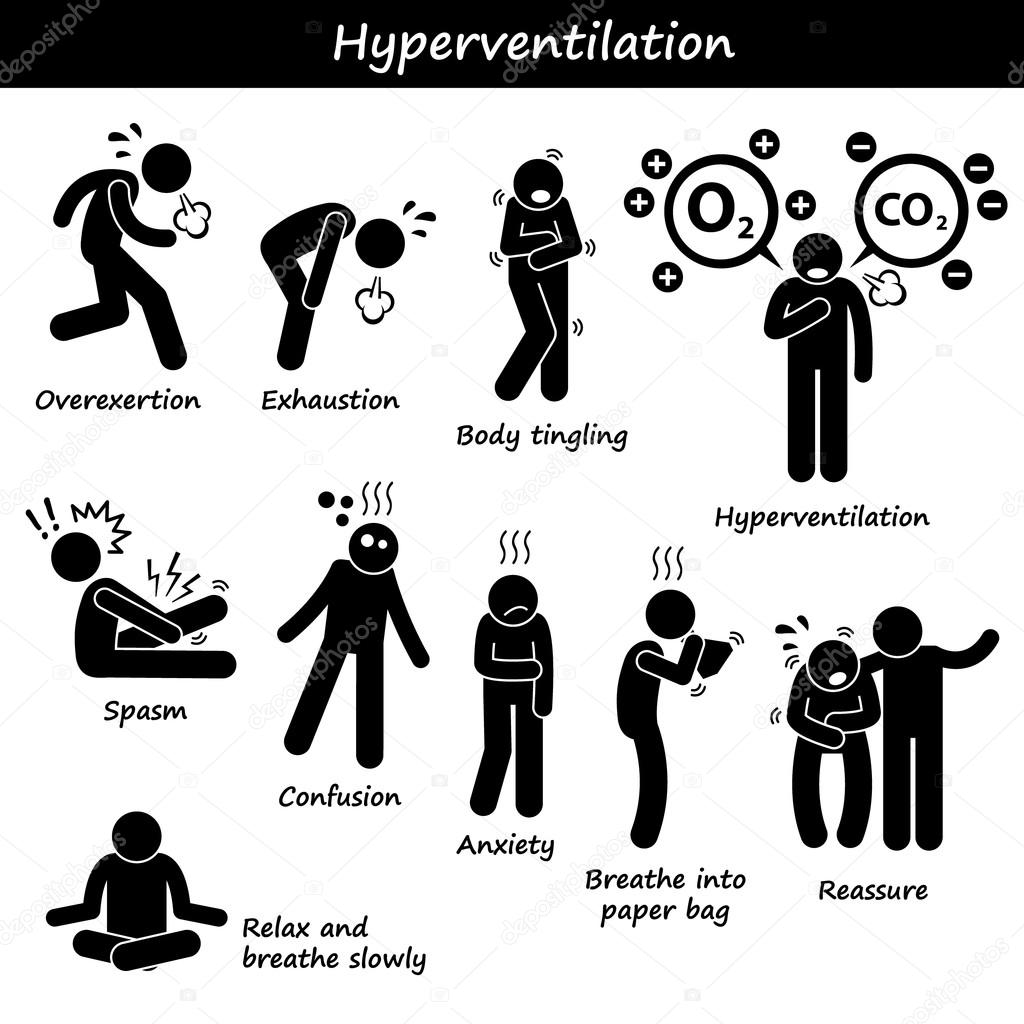
Over Breathing Syndrome, also known as chronic hyperventilation, is a condition that affects millions of people worldwide. It occurs when an individual breathes faster or deeper than necessary, leading to a disruption in the body's carbon dioxide levels. This imbalance can cause a wide range of symptoms, from mild discomfort to severe health issues. Understanding Over Breathing Syndrome is crucial for those who experience its effects and for healthcare professionals aiming to provide effective treatment.
Understanding Over Breathing Syndrome
Over Breathing Syndrome is characterized by an abnormal breathing pattern that results in excessive loss of carbon dioxide from the body. This condition can be acute or chronic, and it often goes undiagnosed because its symptoms can mimic those of other health issues. The primary cause of Over Breathing Syndrome is hyperventilation, which can be triggered by various factors, including stress, anxiety, and certain medical conditions.
When a person hyperventilates, they breathe in more oxygen than their body needs and exhale more carbon dioxide than necessary. This imbalance can lead to a decrease in the body's carbon dioxide levels, which in turn affects the pH balance of the blood. The resulting alkalosis can cause a variety of symptoms, including dizziness, lightheadedness, and tingling in the extremities.
Symptoms of Over Breathing Syndrome
The symptoms of Over Breathing Syndrome can vary widely from person to person. Some of the most common symptoms include:
- Dizziness or lightheadedness
- Shortness of breath
- Chest pain or tightness
- Rapid heartbeat
- Tingling or numbness in the hands, feet, or face
- Fatigue or weakness
- Difficulty concentrating
- Anxiety or panic attacks
These symptoms can be mild or severe, and they may come and go depending on the individual's breathing pattern and the underlying triggers. In some cases, Over Breathing Syndrome can lead to more serious health issues, such as respiratory alkalosis, which can cause seizures, fainting, and even coma if left untreated.
Causes of Over Breathing Syndrome
Over Breathing Syndrome can be caused by a variety of factors, including both physical and psychological conditions. Some of the most common causes include:
- Stress and anxiety
- Chronic pain
- Respiratory infections
- Asthma or other respiratory conditions
- Heart disease
- Certain medications
- Poor posture
- Obesity
In many cases, Over Breathing Syndrome is triggered by a combination of these factors. For example, a person with asthma may experience increased breathing rates during an asthma attack, which can lead to hyperventilation and Over Breathing Syndrome. Similarly, chronic stress or anxiety can cause a person to breathe more rapidly and deeply, leading to the same condition.
Diagnosing Over Breathing Syndrome
Diagnosing Over Breathing Syndrome can be challenging because its symptoms can mimic those of other health conditions. However, healthcare professionals can use a variety of diagnostic tools to identify the condition. These tools may include:
- Physical examination
- Blood tests to measure carbon dioxide levels
- Pulmonary function tests
- Electrocardiogram (ECG) to rule out heart conditions
- Imaging tests, such as X-rays or CT scans
In some cases, a healthcare professional may also recommend a breathing test to assess the individual's breathing pattern and identify any abnormalities. This test may involve monitoring the person's breathing rate, depth, and rhythm over a period of time.
Treatment Options for Over Breathing Syndrome
Treatment for Over Breathing Syndrome typically involves a combination of lifestyle changes, breathing exercises, and, in some cases, medication. The goal of treatment is to restore the body's carbon dioxide levels to a healthy balance and reduce the frequency and severity of symptoms.
Some of the most effective treatment options include:
- Breathing exercises, such as diaphragmatic breathing or pursed-lip breathing
- Stress management techniques, such as meditation or yoga
- Cognitive-behavioral therapy (CBT) to address underlying anxiety or stress
- Medications, such as anxiolytics or antidepressants, to manage symptoms of anxiety or depression
- Lifestyle changes, such as regular exercise, a healthy diet, and adequate sleep
In some cases, a healthcare professional may also recommend the use of a breathing device, such as a CPAP machine, to help regulate breathing during sleep. This can be particularly helpful for individuals with sleep apnea or other sleep-related breathing disorders.
Breathing Exercises for Over Breathing Syndrome
Breathing exercises are a key component of treatment for Over Breathing Syndrome. These exercises help to retrain the body's breathing pattern and restore a healthy balance of carbon dioxide and oxygen. Some of the most effective breathing exercises include:
Diaphragmatic Breathing
Diaphragmatic breathing, also known as belly breathing, involves using the diaphragm to breathe deeply and slowly. This technique helps to reduce the breathing rate and promote relaxation. To perform diaphragmatic breathing:
- Lie down on your back or sit comfortably in a chair.
- Place one hand on your chest and the other on your belly.
- Inhale slowly through your nose, allowing your belly to expand while keeping your chest relatively still.
- Exhale slowly through your mouth, allowing your belly to contract.
- Repeat for several minutes, focusing on slow, deep breaths.
📝 Note: Practice diaphragmatic breathing for at least 5-10 minutes per day to see the best results.
Pursed-Lip Breathing
Pursed-lip breathing involves exhaling through pursed lips, which helps to slow down the breathing rate and improve lung function. To perform pursed-lip breathing:
- Sit comfortably in a chair or lie down on your back.
- Inhale slowly through your nose for a count of two.
- Purse your lips as if you are about to whistle.
- Exhale slowly through your pursed lips for a count of four.
- Repeat for several minutes, focusing on slow, controlled breaths.
📝 Note: Pursed-lip breathing can be particularly helpful for individuals with chronic obstructive pulmonary disease (COPD) or other respiratory conditions.
Alternate Nostril Breathing
Alternate nostril breathing is a technique from yoga that involves breathing through one nostril at a time. This technique helps to balance the breathing pattern and promote relaxation. To perform alternate nostril breathing:
- Sit comfortably in a chair or on the floor.
- Place your left hand on your left knee and your right hand near your nose.
- Gently press your right thumb against your right nostril, closing it off.
- Inhale slowly through your left nostril.
- At the peak of your inhale, release your right nostril and close your left nostril with your ring finger.
- Exhale slowly through your right nostril.
- Inhale through your right nostril, then close it off with your thumb.
- Release your left nostril and exhale through it.
- Repeat for several minutes, alternating nostrils with each breath.
📝 Note: Alternate nostril breathing can be particularly helpful for individuals with anxiety or stress-related Over Breathing Syndrome.
Lifestyle Changes for Over Breathing Syndrome
In addition to breathing exercises, lifestyle changes can play a crucial role in managing Over Breathing Syndrome. Some of the most effective lifestyle changes include:
- Regular exercise: Engaging in regular physical activity can help to improve lung function and reduce symptoms of Over Breathing Syndrome. Aim for at least 30 minutes of moderate-intensity exercise most days of the week.
- Healthy diet: Eating a balanced diet rich in fruits, vegetables, and whole grains can help to support overall health and reduce inflammation in the body. Avoid processed foods, sugary drinks, and excessive caffeine, which can exacerbate symptoms of Over Breathing Syndrome.
- Adequate sleep: Getting enough sleep is essential for overall health and well-being. Aim for 7-9 hours of sleep per night, and practice good sleep hygiene to improve the quality of your sleep.
- Stress management: Chronic stress can contribute to Over Breathing Syndrome, so it
Related Terms:
- chest x ray hyperventilation syndrome
- what causes hyperventilation syndrome
- can controlled breathing cause hyperventilation
- hyperventilation syndrome symptoms
- chest pain and hyperventilation
- hyperventilation and breathing