DNA extraction is a fundamental technique in molecular biology, enabling scientists to study genetic material for various applications, from forensic analysis to genetic engineering. Among the methods available, the Organic Method DNA Extraction stands out for its simplicity and effectiveness. This method relies on organic solvents to isolate DNA from biological samples, making it a popular choice in many laboratories.
Understanding the Organic Method DNA Extraction
The Organic Method DNA Extraction involves the use of organic solvents such as phenol and chloroform to separate DNA from other cellular components. This method is particularly useful for samples that contain high levels of proteins and lipids, which can interfere with DNA isolation using other methods. The process typically involves several steps, including cell lysis, protein removal, and DNA precipitation.
Steps Involved in Organic Method DNA Extraction
The Organic Method DNA Extraction can be broken down into several key steps. Each step is crucial for ensuring the purity and integrity of the extracted DNA.
Cell Lysis
The first step in the Organic Method DNA Extraction is cell lysis, where the cell membrane is disrupted to release the DNA. This can be achieved through mechanical methods such as grinding or chemical methods using detergents. The choice of lysis method depends on the type of sample being used.
Protein Removal
After cell lysis, the next step is to remove proteins that can contaminate the DNA sample. This is done using organic solvents like phenol and chloroform. Phenol denatures proteins, while chloroform helps to separate the aqueous phase containing DNA from the organic phase containing proteins and lipids.
DNA Precipitation
Once the proteins are removed, the DNA is precipitated from the aqueous phase using ethanol or isopropanol. This step concentrates the DNA and removes any remaining salts and solvents. The precipitated DNA is then collected by centrifugation and washed with ethanol to remove any residual contaminants.
DNA Resuspension
The final step is to resuspend the purified DNA in a suitable buffer, such as Tris-EDTA (TE) buffer. This buffer helps to stabilize the DNA and prevent degradation. The resuspended DNA is now ready for further analysis or storage.
📝 Note: It is important to handle organic solvents with care, as they are highly toxic and can cause skin irritation and respiratory problems. Always use appropriate personal protective equipment (PPE) and work in a well-ventilated area.
Advantages of Organic Method DNA Extraction
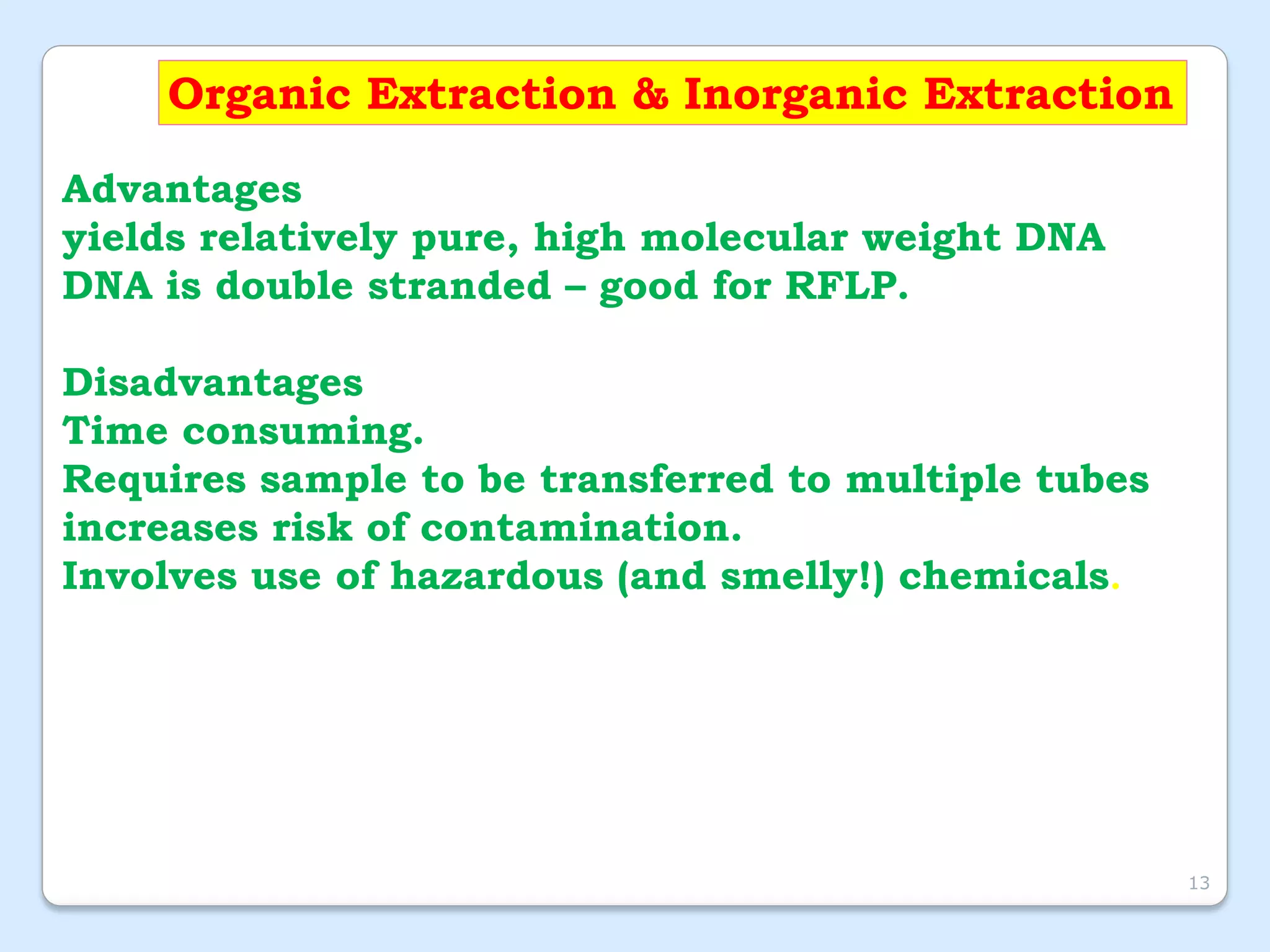
The Organic Method DNA Extraction offers several advantages over other DNA extraction methods. Some of the key benefits include:
- High Purity: The use of organic solvents ensures that the extracted DNA is free from proteins and lipids, resulting in high-purity DNA samples.
- Versatility: This method can be used with a wide range of biological samples, including tissues, blood, and plant material.
- Cost-Effective: The reagents used in the Organic Method DNA Extraction are relatively inexpensive, making it a cost-effective option for laboratories with limited budgets.
- Efficiency: The method is efficient and can yield high quantities of DNA from small sample sizes.
Applications of Organic Method DNA Extraction
The Organic Method DNA Extraction is widely used in various fields of molecular biology and genetics. Some of the key applications include:
- Genetic Engineering: The extracted DNA can be used in genetic engineering experiments to modify genes and create transgenic organisms.
- Forensic Analysis: DNA extracted from crime scene samples can be used for identification and profiling in forensic investigations.
- Medical Diagnostics: The method is used to extract DNA from patient samples for genetic testing and diagnosis of genetic disorders.
- Research: In academic and industrial research, the Organic Method DNA Extraction is used to study gene expression, DNA sequencing, and other genetic analyses.
Challenges and Limitations
While the Organic Method DNA Extraction is highly effective, it also has some challenges and limitations. Some of the key issues include:
- Toxicity: The use of organic solvents like phenol and chloroform poses health risks and requires careful handling and disposal.
- Time-Consuming: The method can be time-consuming, especially when dealing with large sample sizes or complex samples.
- Sample Degradation: The use of harsh chemicals can sometimes lead to DNA degradation, especially if the samples are not handled properly.
📝 Note: To minimize the risks associated with organic solvents, it is recommended to use alternative methods such as the CTAB method for plant DNA extraction or commercial kits for smaller-scale extractions.
Alternative Methods to Organic Method DNA Extraction
While the Organic Method DNA Extraction is widely used, there are alternative methods that can be considered depending on the specific requirements of the experiment. Some of the popular alternatives include:
- CTAB Method: The Cetyl Trimethyl Ammonium Bromide (CTAB) method is commonly used for plant DNA extraction. It involves the use of CTAB to lyse cells and precipitate DNA.
- Commercial Kits: There are numerous commercial kits available that simplify the DNA extraction process. These kits often use spin columns or magnetic beads to isolate DNA.
- Silica-Based Methods: Silica-based methods use silica membranes or beads to bind DNA, which is then eluted in a buffer. This method is quick and efficient but may require specialized equipment.
Conclusion
The Organic Method DNA Extraction is a reliable and effective technique for isolating DNA from various biological samples. Its simplicity, versatility, and cost-effectiveness make it a popular choice in many laboratories. However, it is important to be aware of the challenges and limitations associated with this method, such as the toxicity of organic solvents and the potential for sample degradation. By understanding the steps involved and taking appropriate precautions, researchers can successfully extract high-quality DNA using the Organic Method DNA Extraction.
Related Terms:
- inorganic dna extraction
- organic dna extraction method
- comparison of dna extraction methods
- different methods of dna extraction
- dna extraction techniques
- different types of dna extraction