In the realm of surgical procedures, one of the most critical aspects of post-operative care is the prevention and management of Operation Site Infection (OSI). OSIs can significantly impact patient recovery, leading to prolonged hospital stays, increased healthcare costs, and even life-threatening complications. Understanding the causes, prevention strategies, and treatment options for OSIs is essential for healthcare professionals and patients alike.
Understanding Operation Site Infection
An Operation Site Infection occurs when bacteria, viruses, or other pathogens invade the surgical site, leading to an infection. These infections can manifest in various ways, including redness, swelling, pain, and discharge from the wound. The severity of an OSI can range from mild to severe, with some cases requiring additional surgical interventions or prolonged antibiotic therapy.
Causes of Operation Site Infection
Several factors contribute to the development of an Operation Site Infection. These include:
- Bacterial Contamination: The most common cause of OSIs is bacterial contamination. Bacteria can enter the surgical site during the procedure or post-operatively.
- Patient Factors: Certain patient characteristics, such as diabetes, obesity, and a compromised immune system, increase the risk of OSIs.
- Surgical Factors: The type of surgery, duration of the procedure, and the skill of the surgical team can all impact the likelihood of an OSI.
- Environmental Factors: The cleanliness of the operating room and the use of sterile techniques are crucial in preventing OSIs.
Prevention Strategies for Operation Site Infection
Preventing Operation Site Infection involves a multi-faceted approach that includes pre-operative, intraoperative, and post-operative measures. Some key strategies include:
- Pre-operative Measures:
- Patient Education: Educating patients about the importance of hygiene and wound care before surgery.
- Antibiotic Prophylaxis: Administering antibiotics before surgery to reduce the risk of infection.
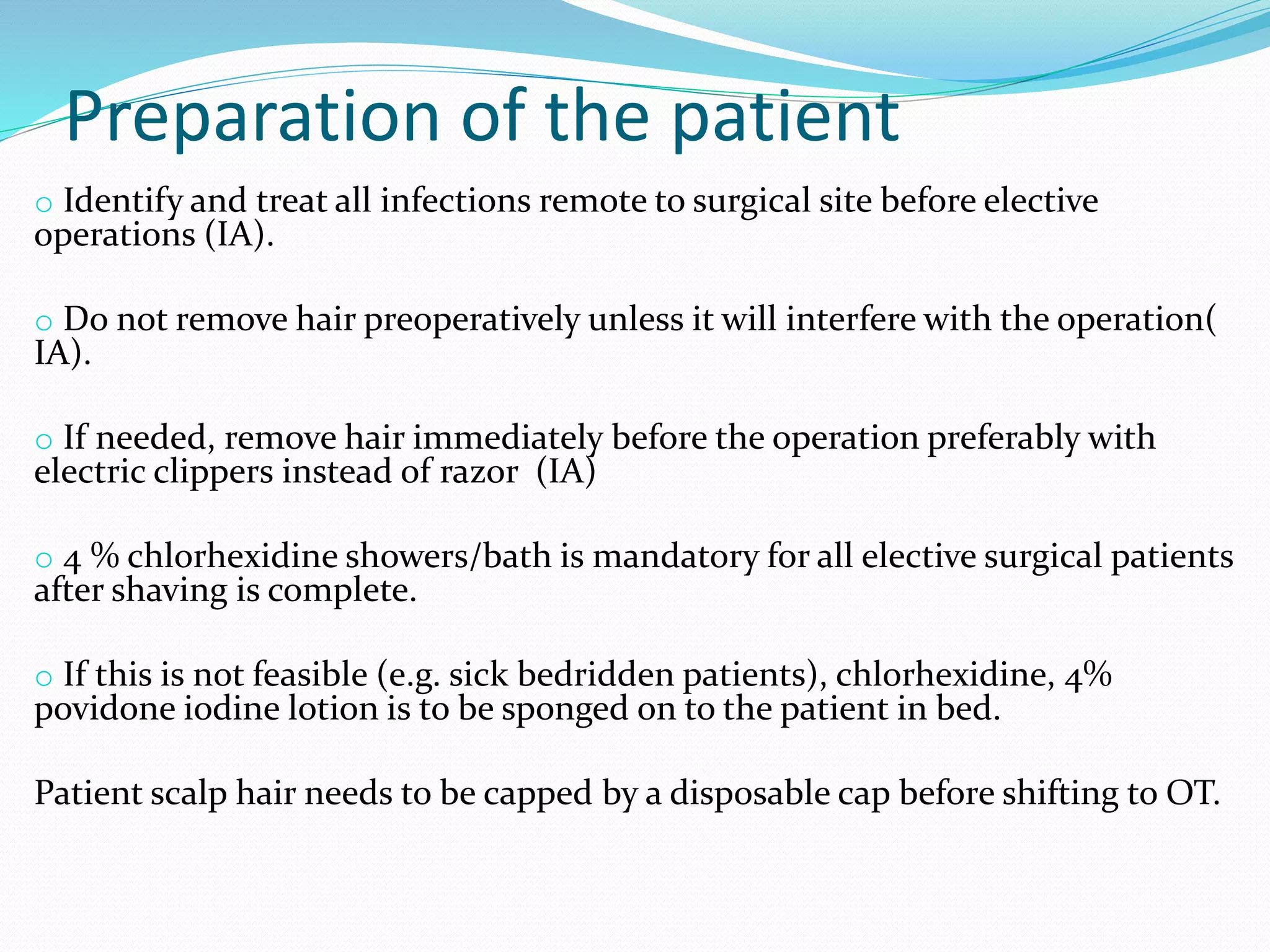
- Skin Preparation: Cleaning the surgical site thoroughly with antiseptic solutions.
- Intraoperative Measures:
- Sterile Techniques: Ensuring that all surgical instruments and equipment are sterile.
- Aseptic Environment: Maintaining a clean and sterile operating room environment.
- Minimizing Surgical Time: Reducing the duration of the surgery to minimize the risk of contamination.
- Post-operative Measures:
- Wound Care: Providing patients with instructions on how to care for their surgical wound at home.
- Monitoring for Signs of Infection: Regularly checking the surgical site for signs of infection.
- Antibiotic Therapy: Continuing antibiotic treatment as prescribed by the healthcare provider.
Treatment Options for Operation Site Infection
If an Operation Site Infection does occur, prompt and appropriate treatment is essential to prevent complications. Treatment options may include:
- Antibiotic Therapy: Administering antibiotics to combat the infection. The choice of antibiotic depends on the type of bacteria causing the infection.
- Wound Drainage: Draining any pus or fluid from the infected site to promote healing.
- Debridement: Removing dead or infected tissue from the surgical site to prevent the spread of infection.
- Surgical Intervention: In severe cases, additional surgery may be required to clean the infected site and repair any damage.
Risk Factors for Operation Site Infection
Certain factors increase the risk of developing an Operation Site Infection. Understanding these risk factors can help healthcare providers take proactive measures to prevent infections. Some common risk factors include:
- Patient-Related Factors:
- Diabetes: Patients with diabetes are at a higher risk of infections due to impaired immune function.
- Obesity: Excess body weight can increase the risk of surgical complications, including infections.
- Immune System Compromise: Patients with weakened immune systems, such as those with HIV or undergoing chemotherapy, are more susceptible to infections.
- Surgical-Related Factors:
- Type of Surgery: Certain types of surgeries, such as those involving the gastrointestinal tract, have a higher risk of infection.
- Duration of Surgery: Longer surgical procedures increase the risk of contamination and infection.
- Emergency Surgery: Emergency surgeries often do not allow for thorough pre-operative preparation, increasing the risk of infection.
- Environmental Factors:
- Operating Room Cleanliness: A clean and sterile operating room environment is crucial for preventing infections.
- Sterile Techniques: Proper use of sterile techniques and equipment can minimize the risk of contamination.
📝 Note: Healthcare providers should assess each patient's individual risk factors and tailor prevention strategies accordingly.
Common Pathogens Involved in Operation Site Infection
Several types of pathogens can cause Operation Site Infection. The most common include:
| Pathogen | Common Sources | Treatment Options |
|---|---|---|
| Staphylococcus aureus | Skin, nasal passages | Antibiotics such as penicillin or cephalosporins |
| Escherichia coli | Gastrointestinal tract | Antibiotics such as fluoroquinolones or third-generation cephalosporins |
| Pseudomonas aeruginosa | Environmental sources, such as water and soil | Antibiotics such as aminoglycosides or fluoroquinolones |
| Enterococcus species | Gastrointestinal tract | Antibiotics such as vancomycin or linezolid |
Diagnosing Operation Site Infection
Early diagnosis of an Operation Site Infection is crucial for effective treatment. Healthcare providers use various methods to diagnose OSIs, including:
- Clinical Examination: Assessing the surgical site for signs of infection, such as redness, swelling, pain, and discharge.
- Laboratory Tests: Conducting blood tests and wound cultures to identify the causative pathogen.
- Imaging Studies: Using imaging techniques, such as X-rays or CT scans, to assess the extent of the infection.
📝 Note: Prompt diagnosis and treatment of OSIs can significantly improve patient outcomes and reduce the risk of complications.
Complications of Operation Site Infection
If left untreated, an Operation Site Infection can lead to serious complications, including:
- Sepsis: A severe and life-threatening infection that spreads throughout the body.
- Organ Failure: Infection can lead to the failure of vital organs, such as the kidneys or lungs.
- Chronic Wounds: Persistent infections can result in chronic wounds that are difficult to heal.
- Scarring and Deformity: Severe infections can cause significant scarring and deformity at the surgical site.
Patient Education and Self-Care
Patient education and self-care play a crucial role in preventing and managing Operation Site Infection. Patients should be informed about:
- Wound Care: Proper techniques for cleaning and dressing the surgical wound.
- Signs of Infection: Recognizing the early signs of infection, such as increased pain, redness, swelling, and discharge.
- When to Seek Medical Attention: Knowing when to contact their healthcare provider if they suspect an infection.
- Medication Compliance: The importance of taking prescribed antibiotics as directed.
📝 Note: Patients should be encouraged to ask questions and seek clarification if they are unsure about any aspect of their post-operative care.
In conclusion, Operation Site Infection is a significant concern in post-operative care. Understanding the causes, prevention strategies, and treatment options is essential for healthcare providers and patients. By taking proactive measures and adhering to best practices, the risk of OSIs can be minimized, leading to better patient outcomes and reduced healthcare costs. Early diagnosis and prompt treatment are crucial for managing OSIs effectively and preventing complications. Patient education and self-care are also vital components in the prevention and management of OSIs, ensuring that patients are well-informed and empowered to take an active role in their recovery.
Related Terms:
- surgical site infection guideline
- surgical site infection guidelines 2024
- examples of surgical site infections
- who surgical site infections
- surgical site infection infographic
- surgical site infection treatment antibiotics