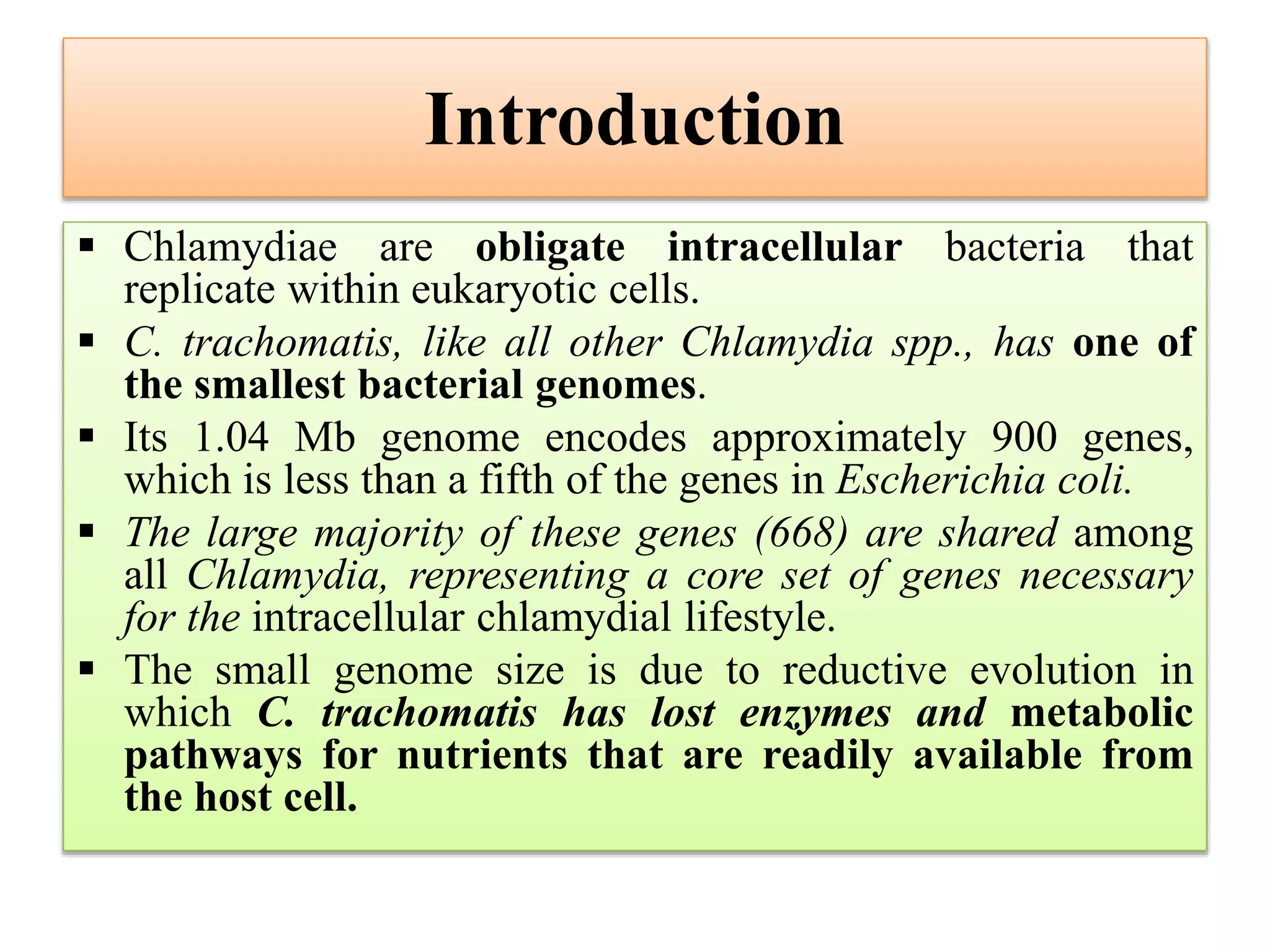
Obligate intracellular bacteria are a fascinating group of microorganisms that have evolved to live and replicate exclusively within the cells of other organisms. These bacteria have adapted to their intracellular lifestyle by losing many of the genes necessary for independent survival, making them dependent on their host cells for essential nutrients and energy. This unique adaptation has significant implications for their role in health and disease, as well as for the development of new therapeutic strategies.
Understanding Obligate Intracellular Bacteria
Obligate intracellular bacteria are characterized by their inability to grow or survive outside of a host cell. This dependency arises from their reduced genome size and the loss of genes involved in essential metabolic pathways. As a result, these bacteria rely on their host cells to provide the necessary components for their survival and replication. Some well-known examples of obligate intracellular bacteria include Rickettsia, Chlamydia, and Coxiella species.
Mechanisms of Infection and Replication
Obligate intracellular bacteria employ various strategies to infect and replicate within host cells. These strategies often involve complex interactions with the host cell's machinery to ensure their survival and proliferation. Some key mechanisms include:
- Entry into Host Cells: Obligate intracellular bacteria typically enter host cells through endocytosis or direct penetration of the cell membrane. For example, Chlamydia species use a type III secretion system to inject effector proteins into the host cell, facilitating their entry.
- Escape from Endocytic Vesicles: Once inside the host cell, these bacteria must escape from the endocytic vesicles to avoid degradation. Rickettsia species, for instance, use a combination of lysosomal escape and actin-based motility to move within the host cell.
- Replication within Host Cells: After escaping the endocytic vesicles, obligate intracellular bacteria replicate within the host cell cytoplasm or within specialized vacuoles. Coxiella burnetii, the causative agent of Q fever, replicates within a large vacuole that fuses with lysosomes, creating an acidic environment conducive to its growth.
Role in Health and Disease
Obligate intracellular bacteria play a crucial role in various diseases, ranging from mild infections to severe and life-threatening conditions. Understanding their pathogenesis is essential for developing effective diagnostic and therapeutic strategies.
Common Diseases Caused by Obligate Intracellular Bacteria
Some of the most notable diseases caused by obligate intracellular bacteria include:
| Bacteria | Disease | Symptoms |
|---|---|---|
| Rickettsia rickettsii | Rocky Mountain Spotted Fever | Fever, headache, rash, and in severe cases, organ failure and death |
| Chlamydia trachomatis | Trachoma and Sexually Transmitted Infections | Conjunctivitis, genital infections, and pelvic inflammatory disease |
| Coxiella burnetii | Q Fever | Fever, headache, pneumonia, and in chronic cases, endocarditis |
Diagnostic Challenges
Diagnosing infections caused by obligate intracellular bacteria can be challenging due to their intracellular nature and the difficulty in culturing them outside of host cells. Common diagnostic methods include:
- Serological Tests: Detecting antibodies against the bacteria in the patient's serum.
- Molecular Techniques: Using PCR to amplify bacterial DNA from clinical samples.
- Immunofluorescence: Detecting bacterial antigens in tissue samples using fluorescently labeled antibodies.
🔍 Note: Early and accurate diagnosis is crucial for effective treatment and prevention of complications.
Therapeutic Strategies
Treating infections caused by obligate intracellular bacteria requires a deep understanding of their unique biology and host interactions. Traditional antibiotics often have limited efficacy against these bacteria due to their intracellular location and the protective environment provided by the host cell.
Antibiotic Therapy
Several antibiotics have been developed or repurposed to target obligate intracellular bacteria. Some commonly used antibiotics include:
- Doxycycline: Effective against Rickettsia and Chlamydia species.
- Azithromycin: Used for treating Chlamydia infections.
- Hydroxychloroquine: Combined with doxycycline for treating Coxiella burnetii infections.
Novel Therapeutic Approaches
In addition to traditional antibiotics, novel therapeutic approaches are being explored to target obligate intracellular bacteria more effectively. These include:
- Host-Directed Therapies: Targeting host cell pathways that are essential for bacterial survival and replication.
- Vaccine Development: Developing vaccines to prevent infections caused by obligate intracellular bacteria.
- Phage Therapy: Using bacteriophages to specifically target and kill bacterial pathogens.
💊 Note: The development of new therapeutic strategies is an active area of research, with the goal of improving treatment outcomes and reducing the burden of disease.
Future Directions in Research
The study of obligate intracellular bacteria is a dynamic and evolving field, with many exciting avenues for future research. Some key areas of focus include:
- Genomic and Proteomic Studies: Understanding the genetic and protein profiles of these bacteria to identify new targets for therapeutic intervention.
- Host-Pathogen Interactions: Investigating the complex interactions between obligate intracellular bacteria and their host cells to develop more effective treatments.
- Drug Resistance: Studying the mechanisms of antibiotic resistance in these bacteria and developing strategies to overcome it.
By advancing our knowledge in these areas, researchers aim to develop more effective diagnostic tools, therapeutic strategies, and preventive measures against infections caused by obligate intracellular bacteria.
Obligate intracellular bacteria represent a unique and challenging group of pathogens that have adapted to live and replicate within host cells. Their intricate interactions with host cells and the complex mechanisms they employ to survive and proliferate make them a fascinating subject of study. Understanding the biology of these bacteria is crucial for developing effective diagnostic and therapeutic strategies to combat the diseases they cause. As research in this field continues to advance, we can expect to see significant improvements in our ability to prevent, diagnose, and treat infections caused by obligate intracellular bacteria.
Related Terms:
- obligate intracellular parasite meaning
- facultative intracellular bacteria
- obligate intracellular bacteria examples
- intracellular bacteria
- facultative intracellular
- obligate intracellular pathogens